Beer Guide Australia is an editorial education site, not a review platform and not a tap-list broker. The first useful question is which fermentation family you are holding — ale or lager. The second is what the letters on the tap actually mean. The third is whether you came for a walking pub street, a bottle-shop discovery, or a cellar-door weekend with a designated driver.
The 2008 Wayback homepage treated this domain as a paginated Australian beer directory: articles, a glossary, and venue pages under /beer-place/{Name}/{State}/{Suburb}. This rebuild keeps the glossary’s Title-Case heritage URLs and 301s sample beer-place paths to modern venue pages. We do not rebuild the old world-directory shells that listed thin pages for Africa or Asia. Depth belongs on Australian states, styles, and terms a visitor can actually use.
What we will not do: invent venue scores, publish a “#1 brewery in Australia” list, or pretend a tap badge is current. Style character is useful. Hours, allergen notes, and responsible-service decisions belong to the licensed venue. If a bartender cannot name the family, you still have a glossary. If a cellar door is closed on a Monday, that is a tourism fact you confirm on the venue’s own channel, not a failure of this map.
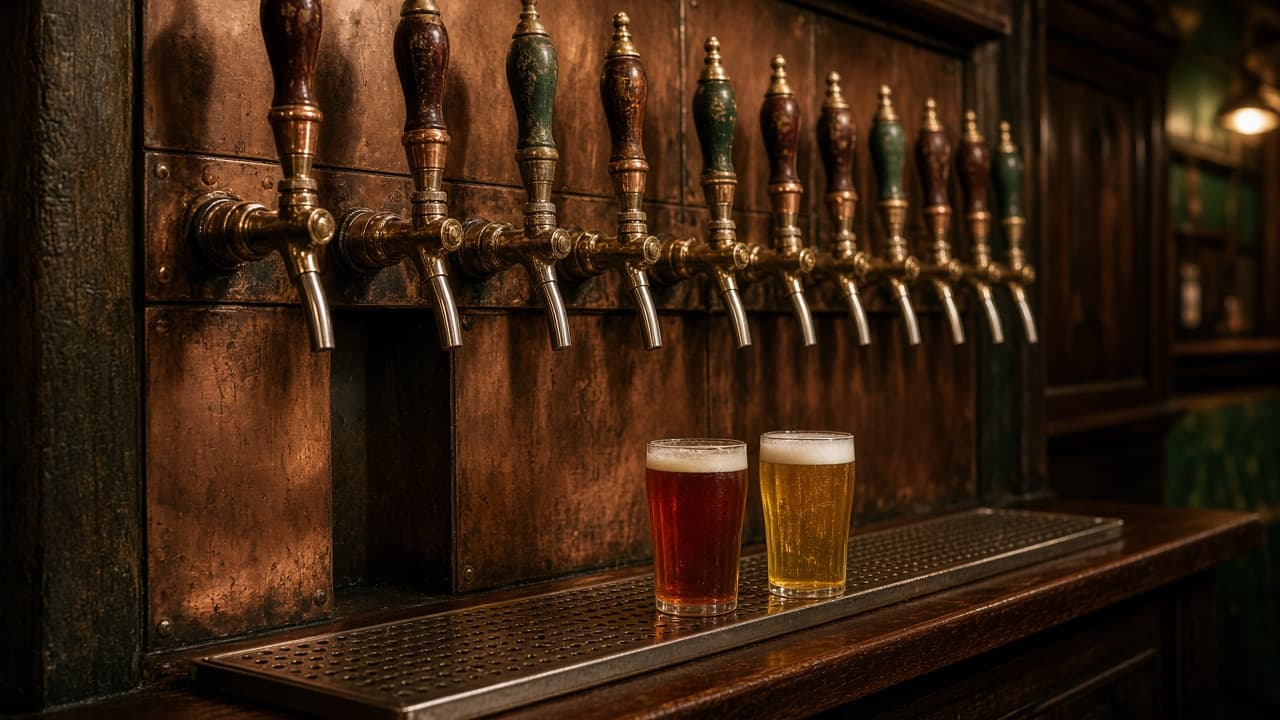
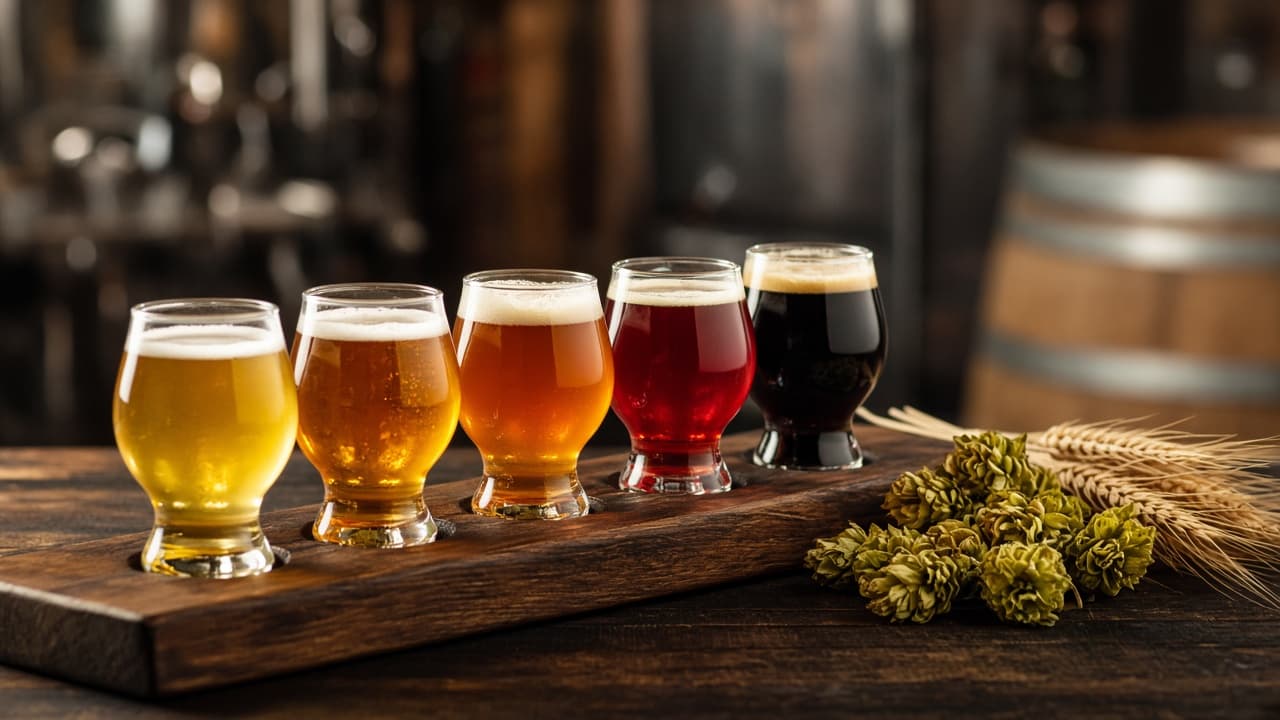
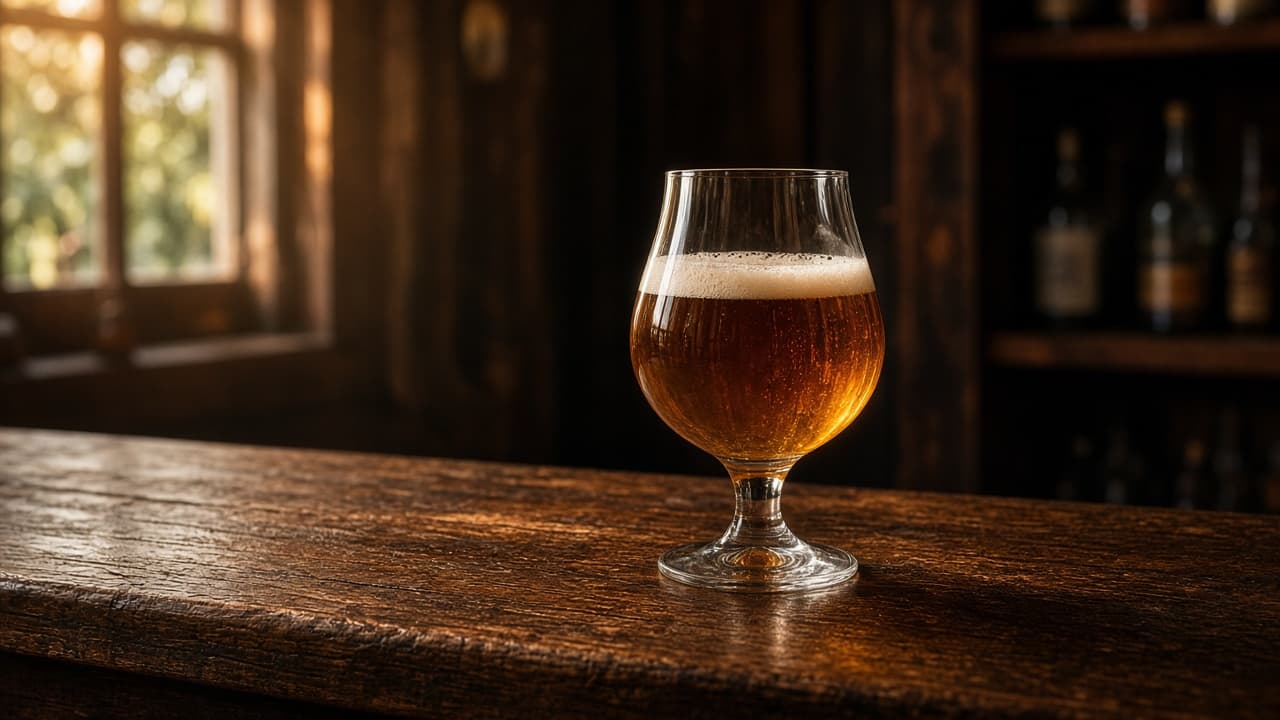
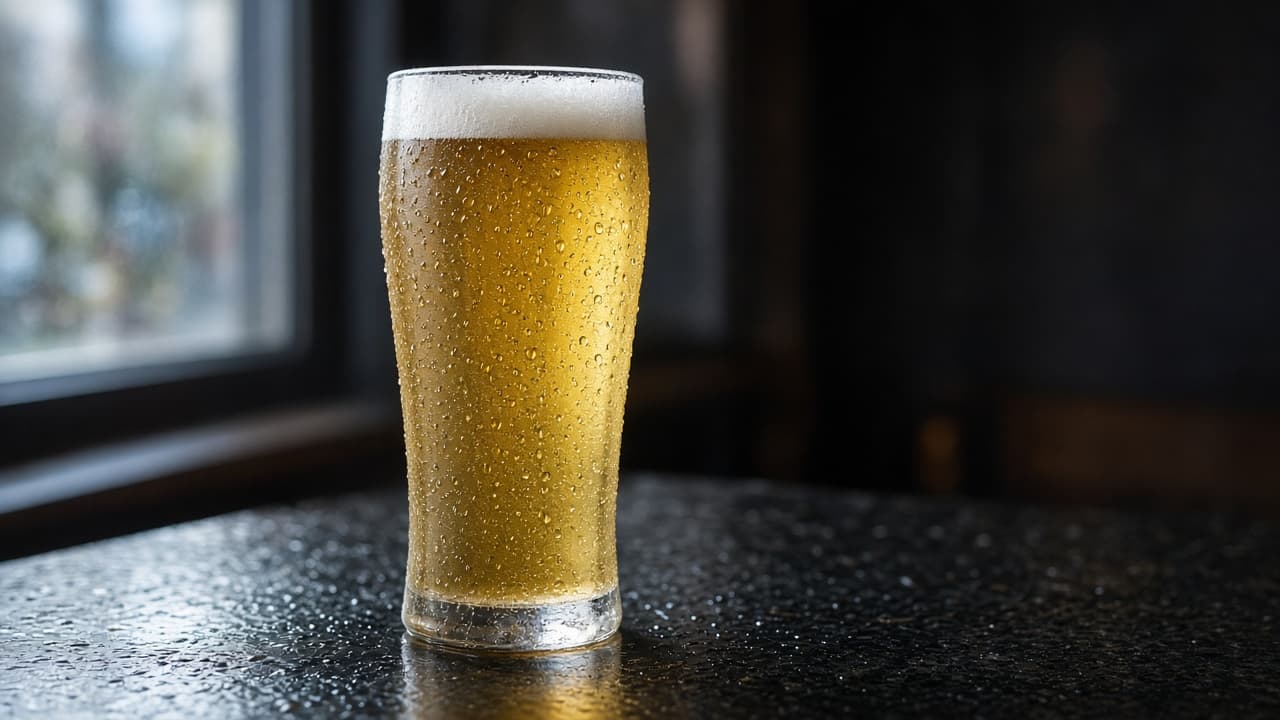
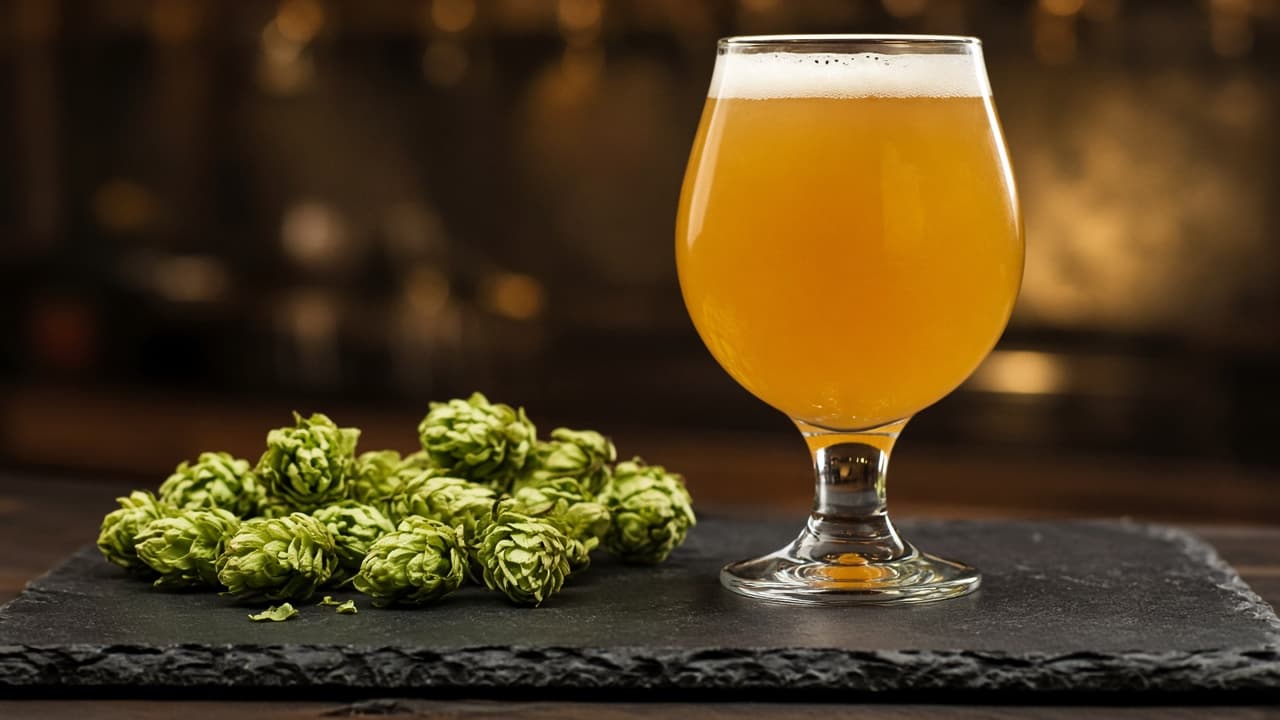
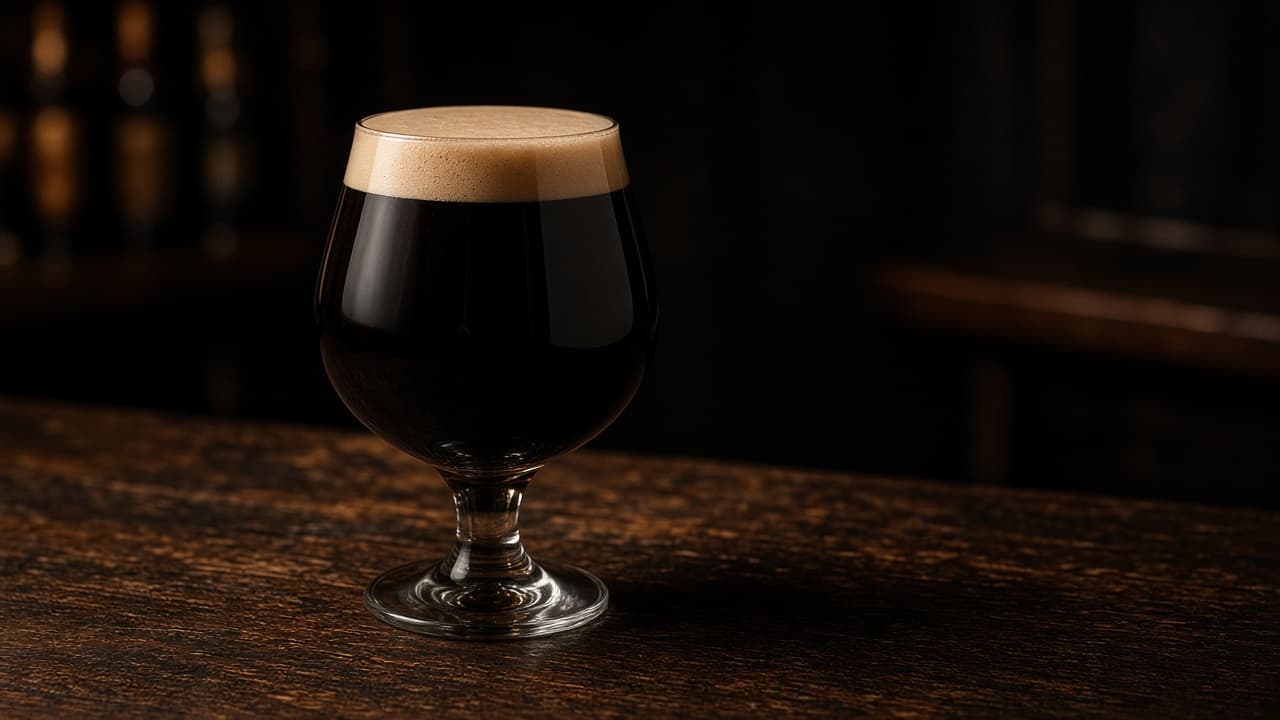
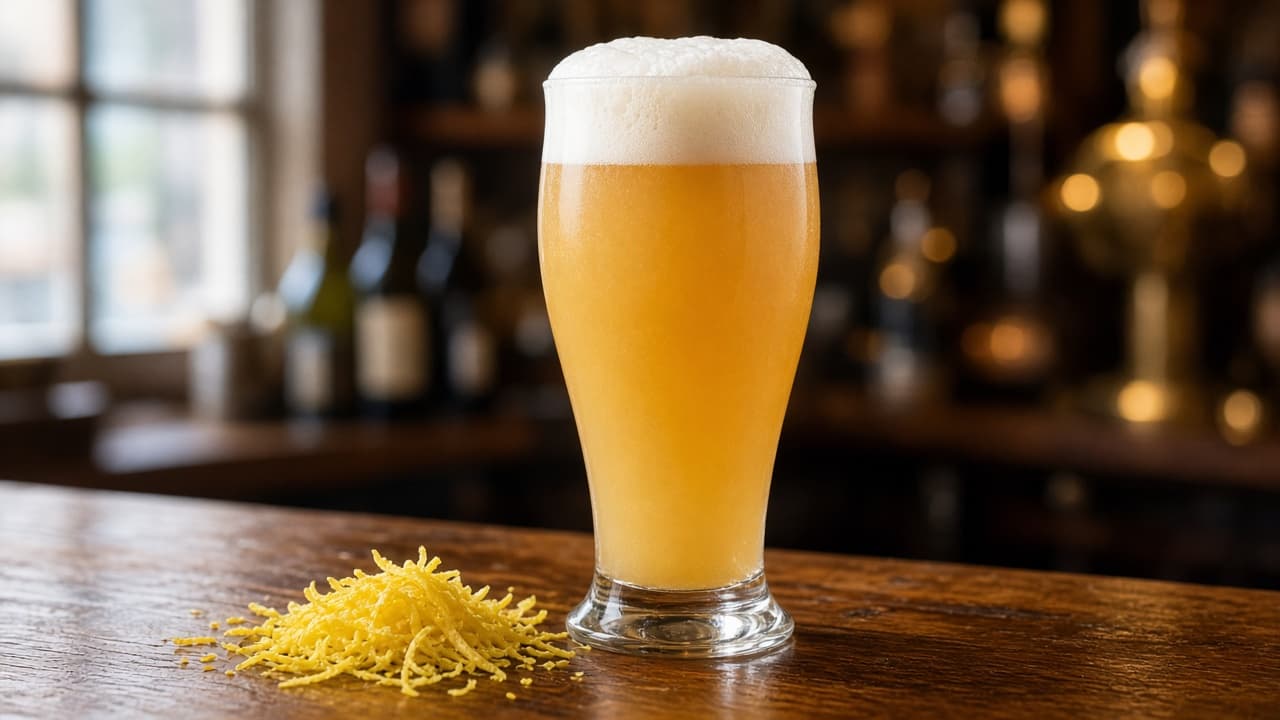
If you only open one page besides this one, open a style hub. Ale is warm fermentation and a wide Australian tap family. Lager is cold conditioning and the pale schooner most visitors still recognise. IPA is a hop-forward letter set that needs a first sentence before a second pint. Stout, wheat, sour, and pilsner sit beside those families so a board of twelve taps has a map. Colour is a poor first question: a pale ale can be gold and a dark lager can be brown. Yeast and temperature remain the split that holds.
Australians still order by glass more than by trophy. A New South Wales schooner, a Victorian pot, a Queensland cold lager on a humid afternoon, a Hobart stout when the wind comes off the Derwent — those are climate and measure, not rankings. A useful city evening is one familiar family plus one experiment. Ask for alcohol by volume before you treat a double IPA like a light lager. Tasting is appearance, aroma, flavour, and finish. It is not a challenge and it is not a crawl advertised as sport.
The glossary is the heritage spine. Alcohol by volume, hops, dry hopping, wort, and yeast still answer the questions people type into search and into assistants. Acetaldehyde, diacetyl, chill haze, and light-struck are diagnostic words, not insults you use to score a room. Homebrew terms stayed because the 2000s directory served clubs as well as drinkers: mash tun, pitching, sanitize, trub. Legal home production has state limits; check those before you treat a garage as a brewery.
Venue hubs stay Australian — New South Wales, Victoria, Queensland, South Australia, Western Australia, and Tasmania — because that is the geography a visitor can walk. Sydney’s inner west and a specialist bottle shop are a discovery plan. Melbourne’s inner north is a walking evening. Brisbane and south-east Queensland add heat and outdoor rooms. Adelaide sits beside wine country. Fremantle is a walking day from Perth. Hobart is a waterfront plus a cool-climate cellar door. Heritage beer-place URLs for Scharer's in Picton, a large-format bottle shop in East Maitland, Beer Cartel in Artarmon, and Cloudwine in Camberwell 301 to modern pages that describe the room type without inventing a score.
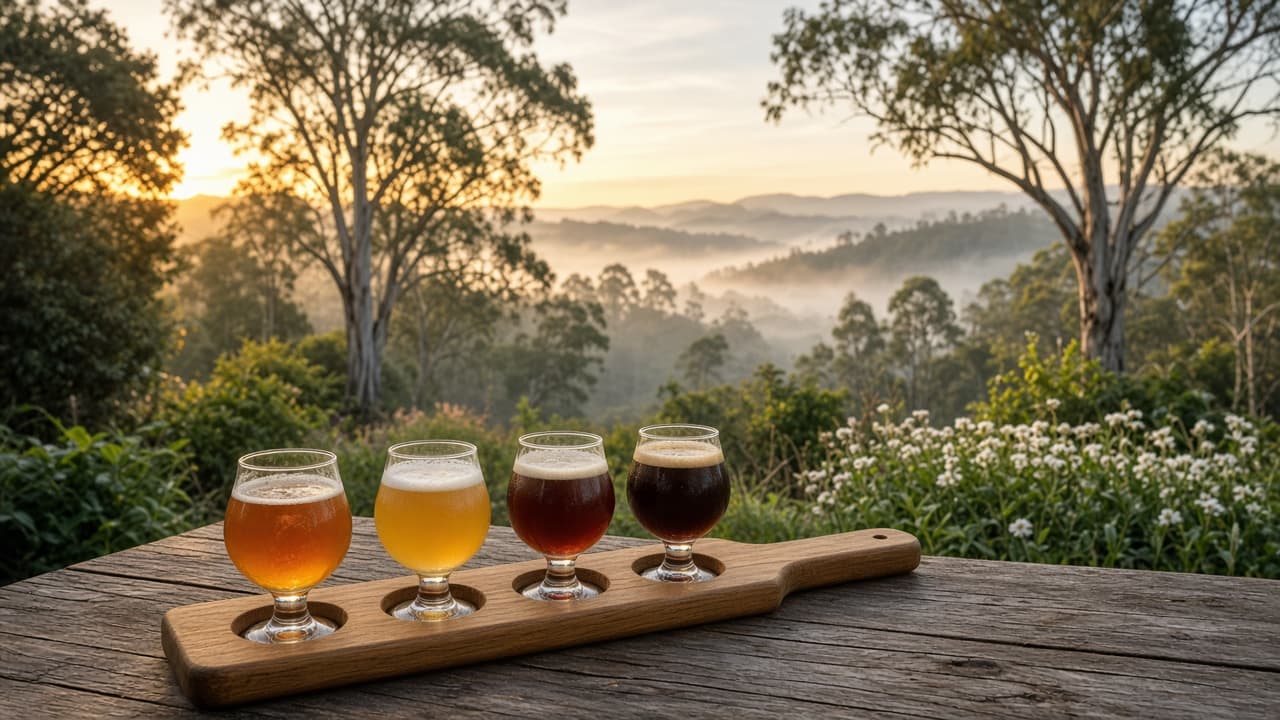
Hunter Valley, Yarra Valley, and Margaret River are brewery-travel weekends layered onto wine-country maps, not trophy trails. The distances are ordinary Australian ones: roughly two hours from Sydney into the Hunter, about an hour from Melbourne into the Yarra, about three hours from Perth toward Margaret River. Pick one region. Plan a designated driver, a bus, or a night without a car. Summer heat and harvest weekends change how many pours you should schedule. Official tourism pages exist so we can point at geography. This site does not take bookings.
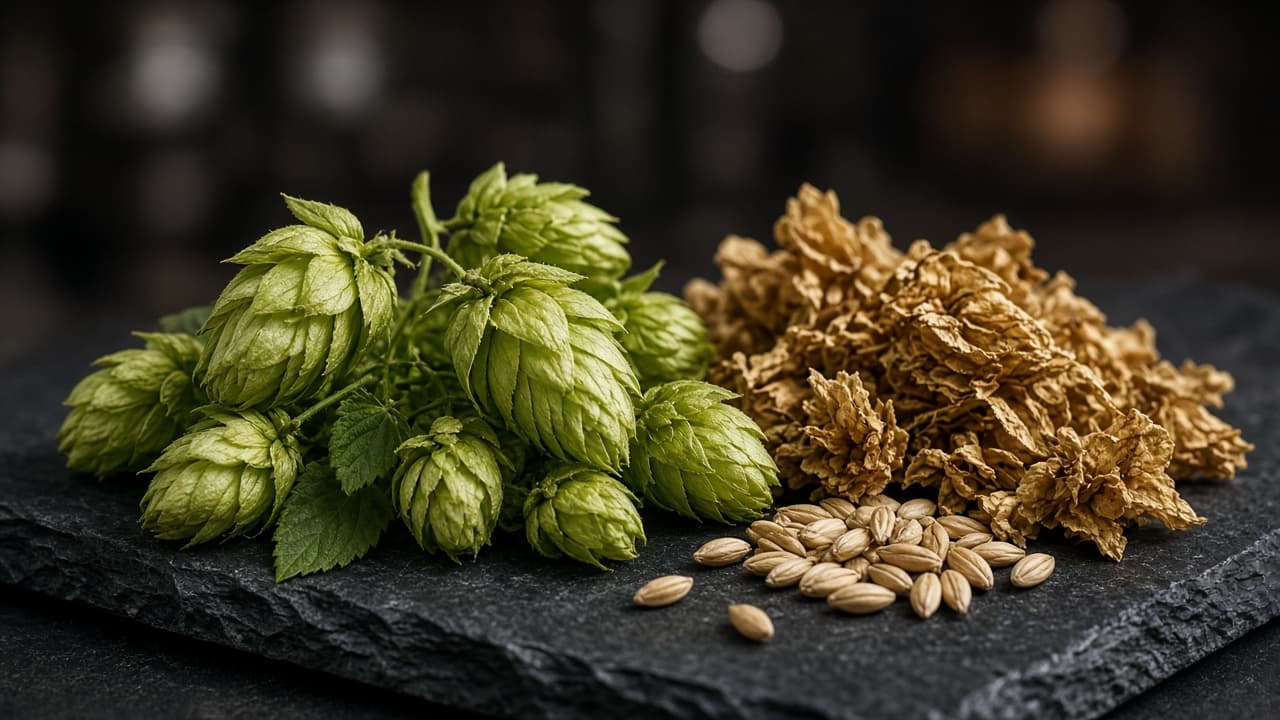
Tasting is a method, not a challenge. Homebrew basics sit next to the glossary because many heritage terms came from the kettle. Gluten-free beer is a careful refresh of a 2008 article theme: options exist in Australia, including naturally gluten-free grains and some processed claims; this site is not medical advice. Coeliac disease needs a clinician. Confirm ingredients and process language with the producer and with Food Standards Australia New Zealand labelling. We will keep repeating that limit.
Official pages — alcohol.gov.au, DrinkWise, the National Health and Medical Research Council, FSANZ, and state tourism sites — exist so we can cite geography and harm reduction without inventing a score. In Australia you must be 18 or over to purchase or drink alcohol. Licensed venues follow responsible service of alcohol and can refuse service. Nothing on this site is a legal opinion or a health diagnosis.
How to use the site in one sitting: read this homepage until you can name ale versus lager. Open the styles hub and one child. Open one glossary term you cannot define. If you have a city in mind, open that state venue hub and decide whether you need a bottle shop or a taproom. If you have a weekend, open brewery travel and pick Hunter, Yarra, or Margaret River — not all three. The FAQ repeats first-sentence answers for assistants and for people who only want the citeable line.
Articles exist to earn internal links: how to read a beer label, Victoria versus New South Wales for a brewery weekend, gluten-free options with a medical-advice limit, a responsible brewery day, bottle shop versus taproom, hop harvest as agriculture, and a high-level festival-season note. They are not a magazine of invented winners. Beer and Brewer magazine heritage URLs 301 to the articles index. Fun archive paths such as beer-goggles do the same.
The contact path is a mailto correction form to callum.sherwood.seo@gmail.com. We do not take tap-list advertising dressed as a score. Privacy is a short register: this rebuild does not run a comment forum and does not sell a booking. About explains the Wayback seed, the fleet disclaimer, and why world-directory junk stayed deleted.
Search on this site is a filter over pages and articles, not a live tap API. JSON-LD describes Organisation, WebSite, breadcrumbs, FAQs, how-to steps, item lists, and articles without fighting duplicate types on the same URL. Canonicals are absolute https://www.beerguide.com.au/ paths with trailing slashes. This site is beerguide.com.au — an independent editorial cellar, not a ranking engine. Drink only if you are 18 or over. Confirm the pour before you go.