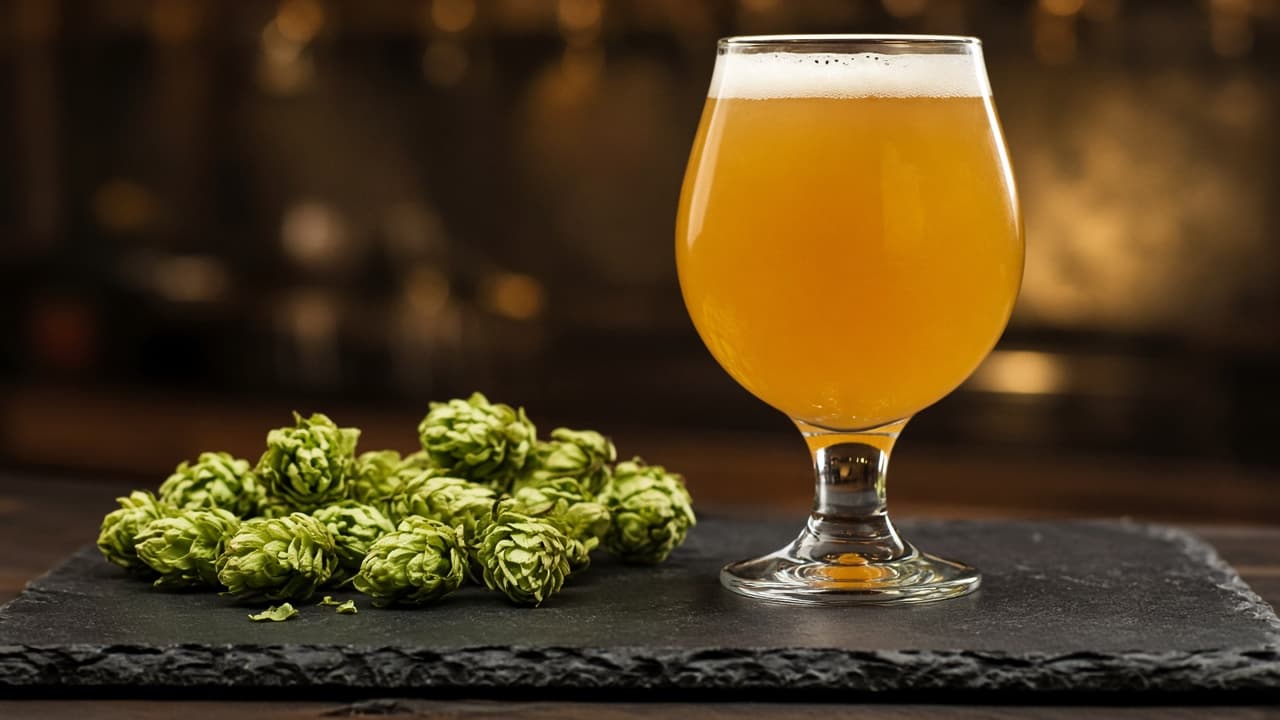
Wheat beer is beer that uses a noticeable share of wheat malt beside barley, and on Australian boards it usually means one of three templates: a German-leaning hefeweizen, a Belgian-leaning witbier, or a local wheat ale that borrows from both. Many wheat beers are cloudy on purpose. The cloud is yeast and wheat protein, not a dirty glass. The flavour you came for is often banana and clove from hefeweizen yeast, or citrus and spice from a witbier that may include coriander and orange peel. Colour is typically pale. The family is usually ale.
This styles page is literacy, not a live tap list. We will not invent a best wheat beer in Melbourne. We will tell you why the tall vase glass exists, why a cloudy pour can be correct, and how to tell hefeweizen from witbier before you guess from haze alone.
Wheat is a grain; the yeast still tells the story
Barley is the default brewing grain. Wheat contributes a softer body, a pale colour, and a foam that can sit high and white. It also contributes haze that some drinkers mistake for a fault. Chill haze is a different glossary word. Hefeweizen haze is often yeast still in suspension. If the tap note says hefeweizen or hefe, that cloud is part of the style.
The louder flavour in a classic hefeweizen is not the wheat itself. It is the ale yeast working warm and throwing isoamyl acetate and phenols that people describe as banana and clove. Those words are tasting language. They are not a score. A witbier uses a different yeast and, traditionally, a spice-and-peel addition. The glass can look similarly pale and cloudy. The nose is usually orange zest, coriander, and a gentler spice, not banana bread.
Australian wheat ales sit between those templates. Some are hop-touched and closer to a pale ale. Some are faithful to a German or Belgian label language. A cloudy wheat ale made in the inner west of Sydney is still an Australian beer. A hefeweizen-leaning pour in the Yarra is still an Australian beer. Neither is a trophy.
Hops are usually quieter here than in an IPA. Bitterness is often modest so the yeast and the wheat can speak. If the badge is loud with tropical hops and also says wheat, you are looking at a hybrid — still fine, still an ale, still a reason to ask.
Hefeweizen, witbier, and the Australian middle
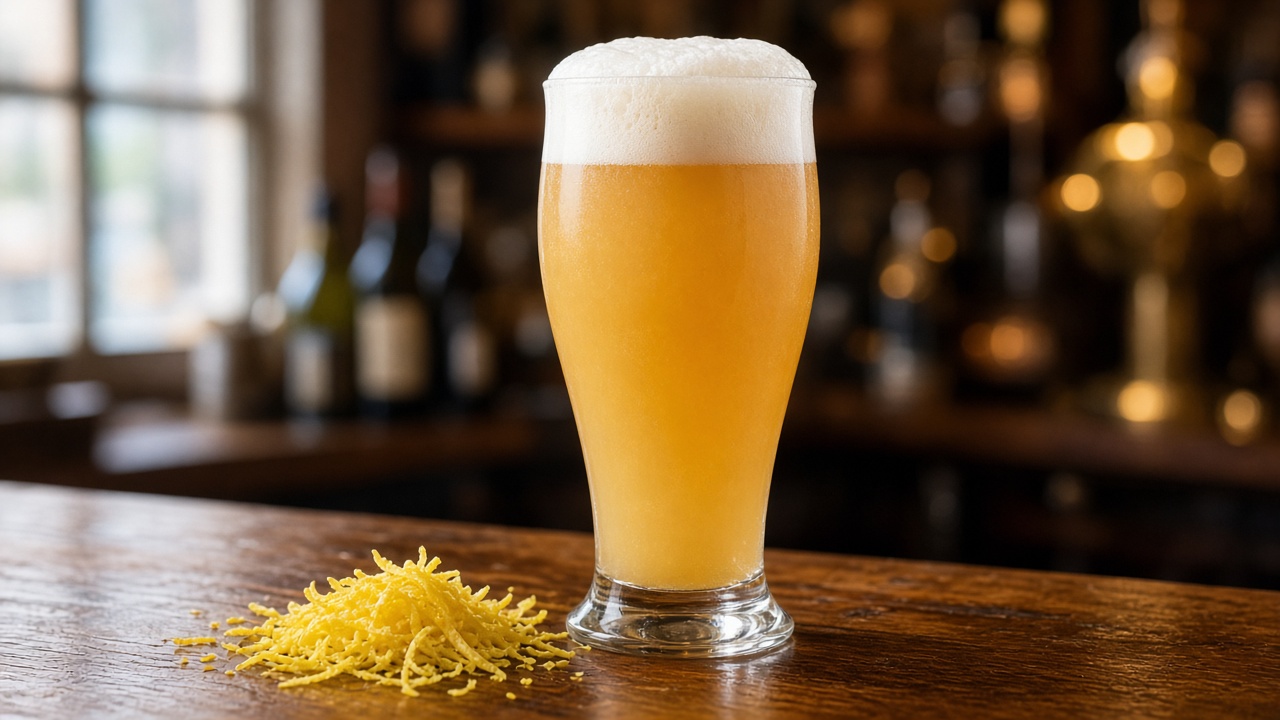
Hefeweizen is the German wheat-beer template most tasting notes mean when they say banana and clove. The pour is pale, the foam is generous, and the glass is often tall so the aroma has a chimney. Witbier is the Belgian wheat-beer template most notes mean when they say coriander and orange. Both are typically ales. Both can be bottle-conditioned. Bottle conditioning is a glossary term if you want the package story.
A Kristallweizen is a filtered wheat beer. It will look clearer. The yeast character may be quieter. A dunkelweizen is a darker wheat ale. Colour has moved; the family has not. None of those German words is a ranking of Australian cellars. They are teaching labels. If the bartender uses them, ask what they mean for this pour.
Sour Berliner weisse and other tart wheat beers exist. They lead with acidity, not banana. If the badge says sour and wheat, open the sour page as well. This page stays with the cloudy, yeast-forward, not-primarily-sour glass unless the tap note says otherwise.
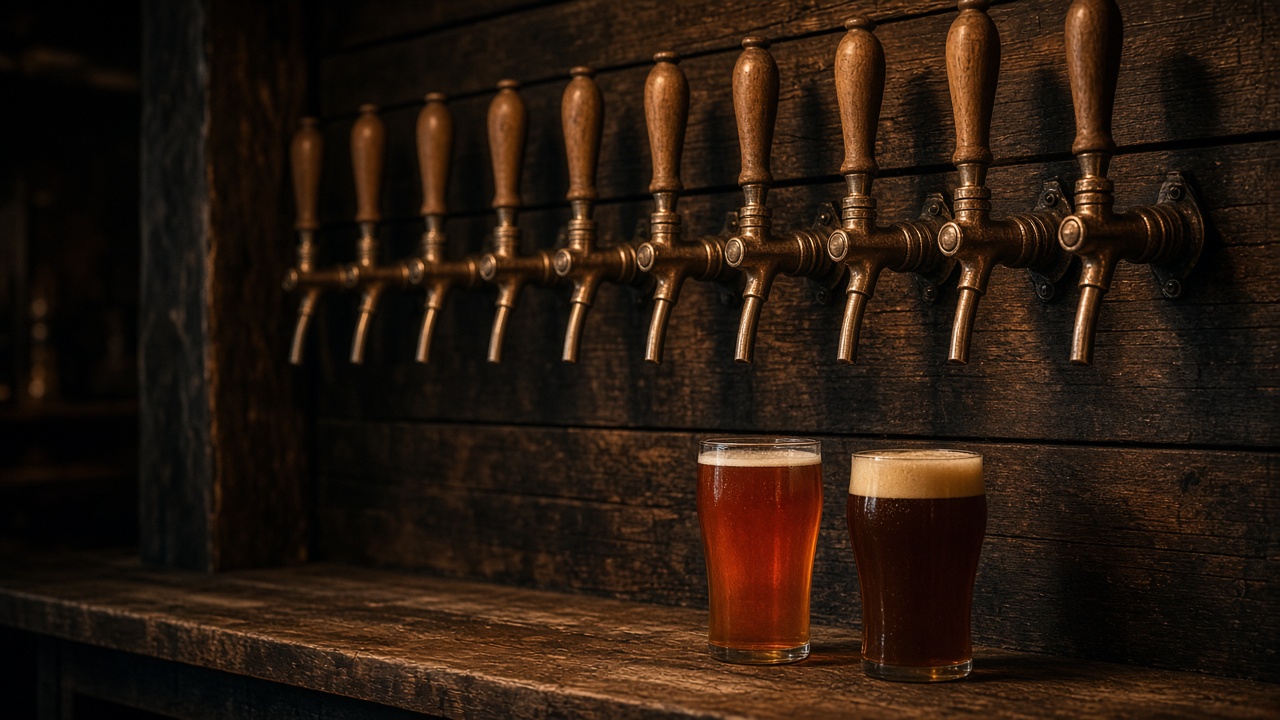
How to taste a wheat beer
Use a clean glass. If the bottle is conditioned, the last pour can be yeastier — some people roll the bottle gently, some leave the sediment. There is no exam. Look at the haze and the foam. Smell before you sip. Banana and clove point hefeweizen. Orange and coriander point wit. A hop-forward wheat ale will smell more like a pale ale. Write four tasting words — appearance, aroma, flavour, finish — and stop.
Alcohol by volume still matters. A modest wheat beer is a different session than a strong wheat wine or a seasonal strong ale that happens to use wheat. Soft body is not low strength. Read the badge.
Where wheat beers show up in Australia
Specialist taprooms in Sydney’s inner west and Melbourne’s inner north will rotate a wheat beer more often than a corner pub that only prints pale lager. That is a planning note about room type, not a score. Queensland heat makes a pale wheat ale an easy first contrast to lager if you want yeast character without roast. The Hunter and the Yarra are weekend maps. Take a designated driver. Confirm what is on. The venues hub is the state geography. A vase glass is common for hefeweizen because the foam needs space. A schooner is still legal glassware.
Wheat next to lager, IPA, and sour
A pale lager can look as gold as a wheat beer and taste cleaner because the ferment was cold. An IPA can be hazy and still be hop-forward rather than banana-forward. A sour wheat beer is acidity first. If you want roast, you wanted stout. The glossary holds Yeast and Hops when a clove note might be style and might be a question for the brewer.
What this page will not do
We will not invent a best hefeweizen or a live wheat-beer list. Ask the venue about coriander, peel, and other additions if they matter to you. Process and gluten claims belong to the producer and to FSANZ labelling. In Australia you must be 18 or over to purchase or drink alcohol. Official pages sit at alcohol.gov.au and DrinkWise. This is beerguide.com.au. A tall foam collar is not a dare.
A one-hour wheat plan
Read the hefeweizen-versus-witbier contrast until you can smell it in your head. Open ale so the warm family is fixed. Open Yeast. If the board is tart, open sour. Taste one wheat beer with a four-part note. That is enough. It is not a festival.