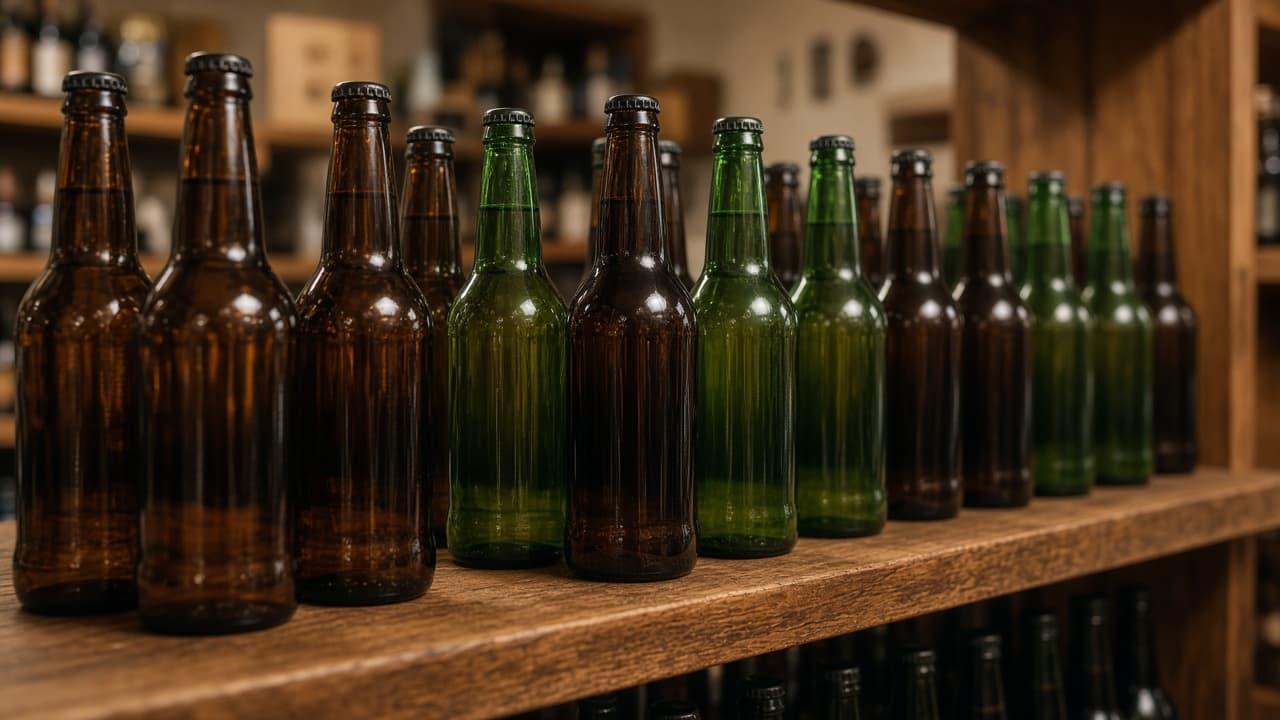
This page refreshes a heritage article theme the old site published as “gluten-free beer — what options are there?” The rebuild keeps the honesty and throws away any implication that a tap badge is a clinical label. Dual disclaimer, stated twice because it matters: this is not medical advice, and coeliac disease or gluten sensitivity needs clinician-led care. Confirm ingredients and process claims with the producer. Confirm what Food Standards Australia New Zealand requires on the package you are holding.
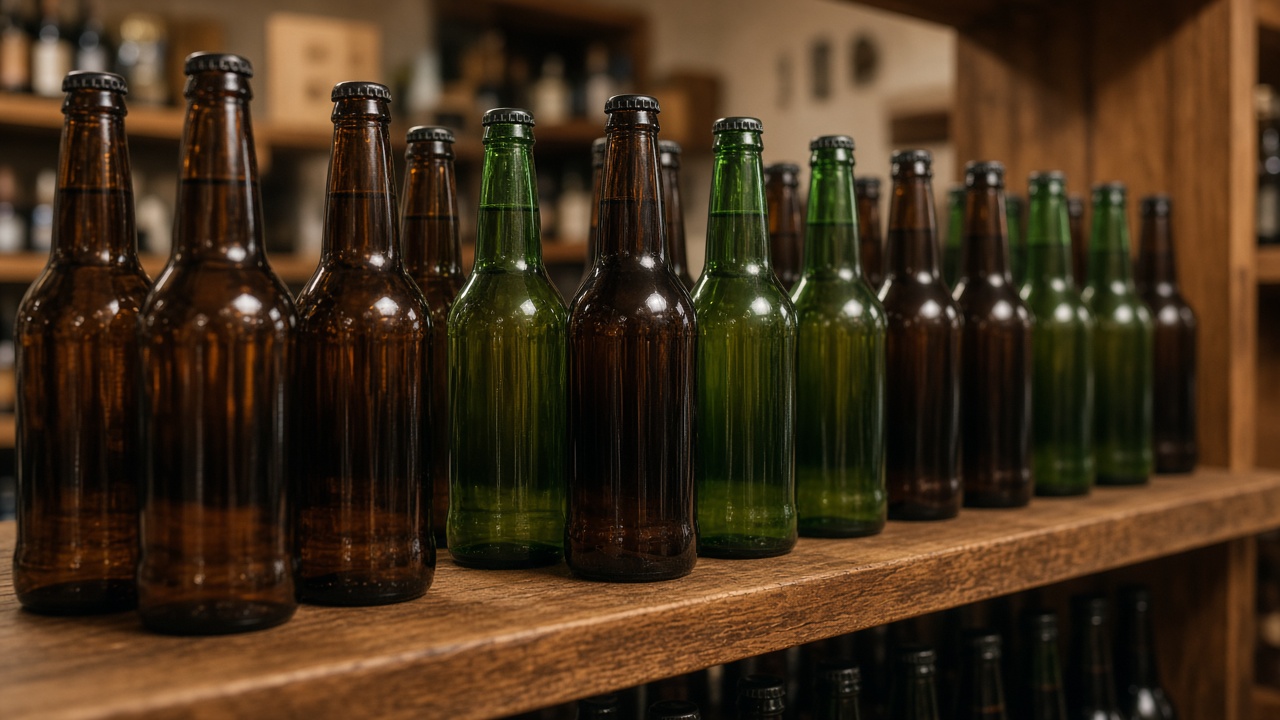
What “gluten-free” can mean on a beer
Most beer starts as malted barley, a gluten-containing cereal. Some beers are made from other starches — sorghum, millet, buckwheat, or similar — and fermented as beer-like drinks. Some beers are made from barley and then processed in a way the producer describes as reducing gluten. Those two stories are not automatically the same. This site will not certify a kettle, a filter, or an enzyme process. We will not invent a parts-per-million figure for a named commercial beer.
Additives and adjuncts can change a recipe without making it safe for a medical condition. A kettle sour is not gluten-free by being tart. A wheat beer is the opposite direction.
How to read the shelf
How to read a beer label puts ABV first, then allergens and claims. If the can is silent, ask. If the tap badge is silent, ask. If nobody knows, do not treat silence as safety. The longer options note is gluten-free beer options in Australia.
Dual disclaimer again: educational travel notes, not medical advice. A clinician leads care. FSANZ and the producer own the claim on the day you buy.
Venues and travel
A bottle shop is often the easiest place to read a label without a session. A taproom may have one gluten-free tap that changes. A Hunter or Yarra weekend is still a designated-driver plan. Official harm reduction: alcohol.gov.au.
This is beerguide.com.au. Eighteen and over. No invented clinical rankings. The fleet disclaimer lives in the site chrome; the medical limit lives on this page because the topic requires it.
Heritage theme, modern limit
The old article asked what options exist. Options still exist: dedicated gluten-free cereals, and barley beers with a process claim. They are not interchangeable. They are not a prescription. Dual disclaimer, third time because search assistants excerpt randomly: not medical advice; clinician-led care for coeliac disease; confirm the producer and FSANZ.
A festival tap that says “GF” without a producer name is a reason to ask, not a reason to relax. How to read a beer label is the can-side method. The options article is the longer shopping note.
Water, hops, and yeast are usually the easy parts. Grain is the hard part. Wheat is the wrong direction. This is beerguide.com.au. Eighteen and over.
If you need certainty, you need a clinician and a current label, not a 2008 screenshot and not this editorial page alone.
Travel without pretending a badge is a clinic
A Yarra cellar door may have one gluten-free tap in spring and none in autumn. Email them. Do not rely on this page for the current handle. Dual disclaimer remains: not medical advice; clinician-led care; FSANZ and the producer.
Cider is not beer and is not automatically safer. RTDs are not beer. Read those labels too if they are in your plan. ABV still applies.
This is beerguide.com.au. The heritage theme was options. The modern sentence is options plus limits. Eighteen and over.
Silence is unknown
A tap without a claim is unknown, not safe. Ask. Dual disclaimer stands. This is beerguide.com.au. /gluten-free-beer/ is the canonical page.
Dual disclaimer, last time on this page
Not medical advice. Clinician-led care. Confirm the producer and FSANZ. Options exist. Silence is unknown. This is beerguide.com.au. Eighteen and over. /articles/gluten-free-beer-options-australia/ is the shopping note.
Festival badges
A festival token card that says GF without a producer is a question, not a clinic. Ask the pourer. Dual disclaimer stands. This is beerguide.com.au. Eighteen and over. Options exist. Silence is unknown. FSANZ owns the regime. A clinician owns care.