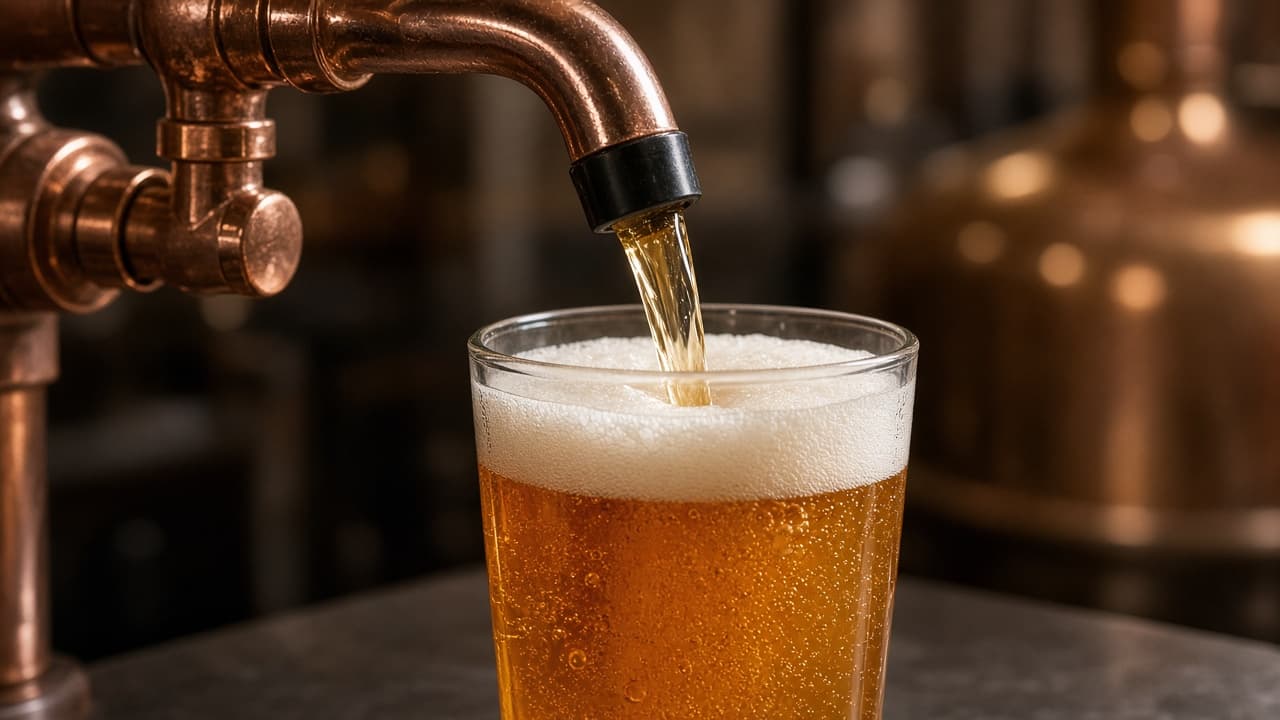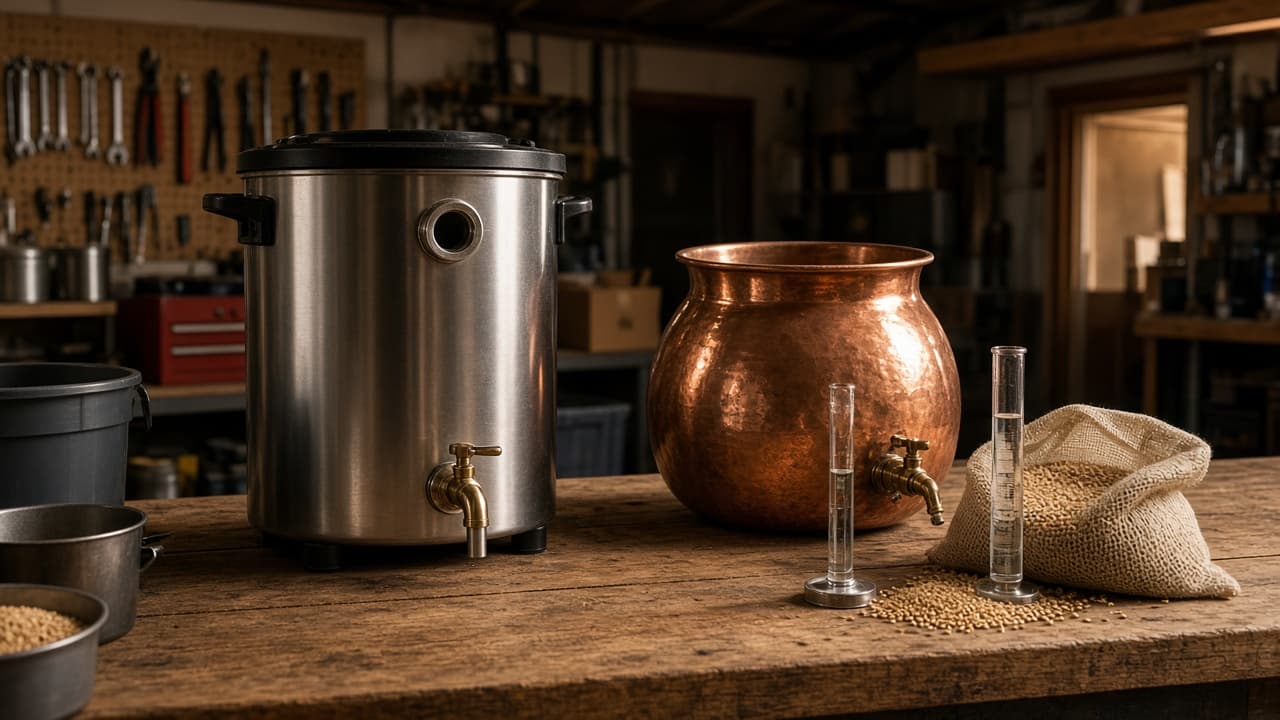
Adjunct is one of the most abused words in beer talk. People use it as an insult for a pale lager they have already decided to dislike. In the kettle it is quieter: an adjunct is a fermentable that is not malted barley, used beside that malt. Rice and maize lighten body. Raw wheat and oats change foam and haze. Sugar raises fermentability without adding malt flavour. The old Beer Guide listed the term because Australian drinkers needed the fact without the sneer.
Why brewers use them
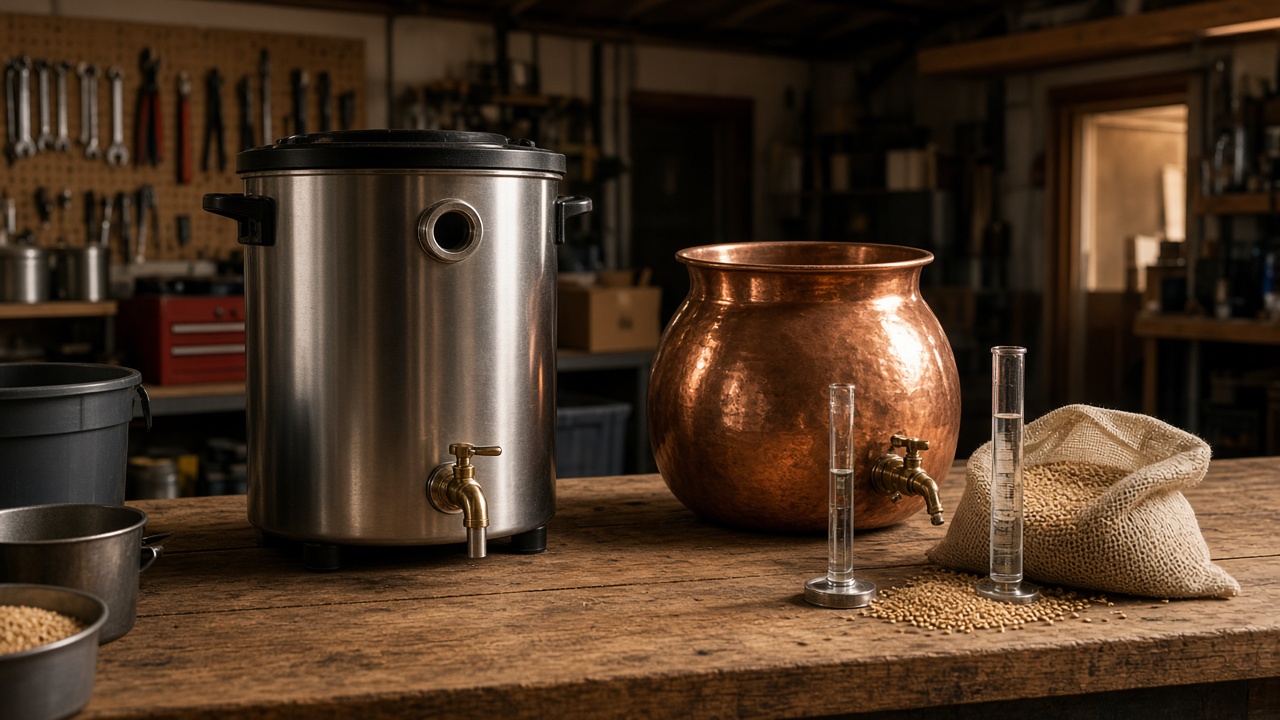
Malted barley brings enzymes, colour, and a flavour range from pale biscuit to roast. It also brings body. If you want a very dry, pale lager that drinks easily in Queensland heat, a portion of rice or maize can thin the wort and let hop and lager yeast show. If you want a hazy IPA with a silky sip, flaked oats or wheat can help. If you want a strong beer that does not taste like a liquid loaf, simple sugar can raise alcohol by volume without stacking malt.
None of that is a ranking. It is recipe architecture. German Reinheitsgebot talk is a historical and marketing conversation, not Australian food law. FSANZ does not require a beer to be malt-only.
Unmalted starch needs help
Rice and maize starches are not pre-digested the way malt is. Many schedules gelatinise them in a cereal cooker or use flaked products that a mash can convert with malt enzymes. Homebrewers who dump raw rice into a single infusion and hope are the people who later write angry forum posts. Homebrew basics and a mash tun page are the practical neighbours. Lauter a sticky oat beer with rice hulls if the bed will not run.
Sugar adjuncts — sucrose, dextrose, candi syrup — skip the mash and go to the kettle. They ferment cleanly in many ale yeasts and can dry a Belgian-leaning beer or a strong golden ale. They are still adjuncts in this glossary.
Australian glasses, not invented bills
A schooner of pale lager in a country pub may or may not contain adjunct grain. This site will not publish a made-up percentage for a named brand. Read the producer’s own materials. Independent taprooms in Marrickville or Brunswick often list oats on a hazy ale because haze is the point. A pilsner brewery may list only malt and hop because that is the point. Both can be well made.
Ale families use adjuncts too. Milk sugar in a stout is a special case — it does not ferment and sits closer to additive. Flaked barley in an Irish-leaning stout is an adjunct that can add foam and a grainy note. Write what you taste on tasting; do not moralise the grain bill.
What adjunct is not
It is not automatically “cheap.” It is not automatically “craft” when the board says oats. It is not a gluten-free strategy by itself — barley malt still dominates most recipes; see gluten-free beer and do not treat this paragraph as medical advice. It is not trub, which is sediment, not an ingredient choice.
Keep the heritage URL
/beer-glossary/Adjunct/ is the citeable path. Pair it with barley, additive, and the lager style guide. This is beerguide.com.au. We will not invent a malt-purity trophy for an Australian tap list. Eighteen and over.
Rice, oats, and the moral argument that wastes a Friday
Adjunct is a recipe noun that people use as an insult. A well-made rice lager can be the right glass in Queensland heat. A hazy IPA with oats can be the right glass in a Melbourne laneway. Neither fact is a ranking. Unmalted starch needs gelatinising or flaked product so malt enzymes can convert it. Sugar adjuncts skip the mash and dry a strong ale. Lactose sits nearer additive because it does not ferment.
Australian pale lagers may or may not use adjunct grain. This site will not invent a bill for a named brand. Read the producer. Barley remains the spine of most recipes. Gluten-free recipes are a different starch story — not medical advice.
Homebrew basics and a mash tun page are the practical neighbours. Cite /beer-glossary/Adjunct/. This is beerguide.com.au. No malt-purity trophies.
Tools, not insults
Rice, maize, oats, wheat, sugar — each has a job. Cite /beer-glossary/Adjunct/. Pair with additive. This is beerguide.com.au. Eighteen and over.
If someone uses adjunct as a sneer, ask what they actually tasted. Then decide whether the beer was well made.