ABV is alcohol by volume. That is the whole first answer. It is the percentage of the drink that is ethanol, the intoxicating alcohol yeast makes when it ferments wort. If a can says 5.0% ABV, five millilitres of every hundred millilitres of that beer is ethanol. The rest is water, residual sugar, hop and malt flavour, and dissolved gas. Australian consumer labels must show the strength. That is why this heritage path — /beer-glossary/Alcohol-By-Volume/ — still earns a page of its own.
What the number is measuring
Chemically, ethanol is C2H5OH. Brewers do not pipette it into a tank. Yeast makes it during fermentation as it consumes sugars. Original gravity (how much sugar was in the wort) and final gravity (how much remains) let a brewer estimate ABV. A hydrometer or density meter is the everyday tool. Laboratories can measure ethanol more directly. This site will not invent a laboratory certificate for a named commercial beer.
ABV is not the same as alcohol by weight, an older figure sometimes seen in overseas texts. It is not proof, a spirits language. It is not IBU, which is bitterness — see bitter. People mix these numbers on tap boards because the boards are crowded. Separate them.
Why Australian labels must show it
Food Standards Australia New Zealand sets labelling rules for alcoholic beverages. Strength is not optional artwork. A can, bottle, or keg product sold as beer should declare ABV so an adult can choose. Venues still have a job: the tap badge or the staff should be able to tell you the current strength, because recipes change. Responsible service of alcohol in a licensed room includes not serving a person who is intoxicated. This editorial site is not an RSA trainer and not a booking desk. Official harm-reduction language lives at alcohol.gov.au and DrinkWise.
A 3.5% pale ale and an 8.5% imperial stout are not “the same number of glasses.” A schooner in New South Wales and a pint in Victoria are different volumes. Do the simple arithmetic before a cellar-door flight in the Hunter or the Yarra. Plan a designated driver. This page will not invent a safe-drinking quota; NHMRC guidance is the official place for that conversation.
Session strength versus a sipper
Australian tap lists still include “session” beers — often in the mid-threes to mid-fours — because a public bar is a long room. IPA families now also print “session IPA” when the hop aroma is high and the ethanol is not. A double or imperial beer is a sipper. Tasting a 10% beer as if it were a 4% lager is how a Saturday turns into a story you will not enjoy telling.
ABV does not tell you whether the beer is an ale or a lager. A 5% lager and a 5% ale can drink very differently because yeast, temperature, and hops differ. Strength is one axis. Style is another.
Homebrew estimates and honesty
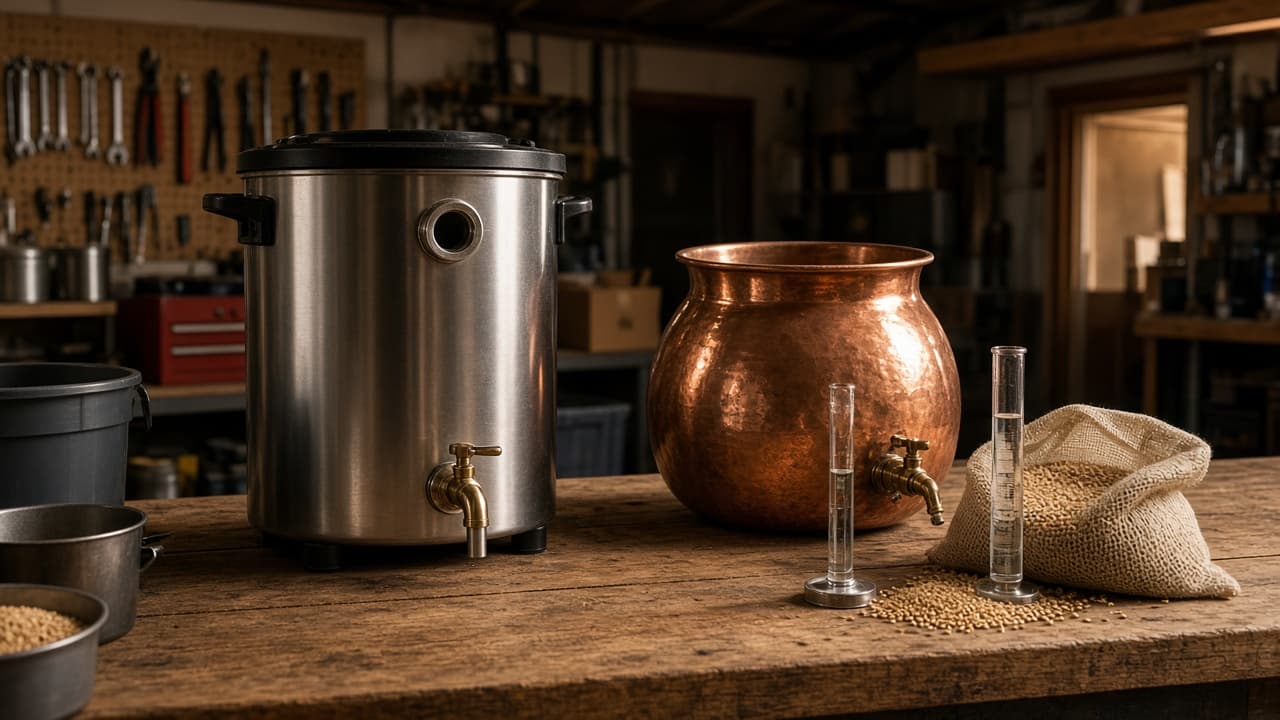
Homebrewers calculate ABV from gravity drop. The simple equation many club sheets still use is a starting point, not a customs laboratory. Attenuation — how far the yeast went — changes the result. Priming sugar in the bottle adds a little more ethanol. Do not print a fantasy number on a label you give a friend. Homebrew basics covers the hydrometer habit.
Legal home production has state limits. You may not turn a garage into an unlicensed brewery. FSANZ still exists even when you are not selling.
What ABV is not
It is not a score. It is not “craft.” It is not medical advice. It is not permission to invent the strength of a beer you have not read. If a menu omits it, ask. If a festival paddle omits it, ask. If nobody knows, drink as if it might be stronger than you hope.
Read how to read a beer label next. Pair this term with fermentation and final gravity. This is beerguide.com.au. Eighteen and over. No invented measurements for named commercial beers.
Do the arithmetic before a cellar-door flight
A Hunter or Yarra tasting paddle can hide three strong beers behind friendly pour sizes. Read every ABV. A 3.8% pale ale and an 8% double IPA are not interchangeable schooners. New South Wales schooners and Victorian pints are different volumes. Plan a designated driver. This page will not invent a safe-drinking quota; NHMRC and alcohol.gov.au are the official voices.
Strength is not quality. A session lager can be better made than a strong beer that was rushed. How to read a beer label puts ABV first on the can. Licensed venues follow RSA. This site is not a trainer and not a booking desk.
Cite /beer-glossary/Alcohol-By-Volume/. Pair with final gravity if you brew. This is beerguide.com.au. Eighteen and over. No invented strengths for named commercial beers.