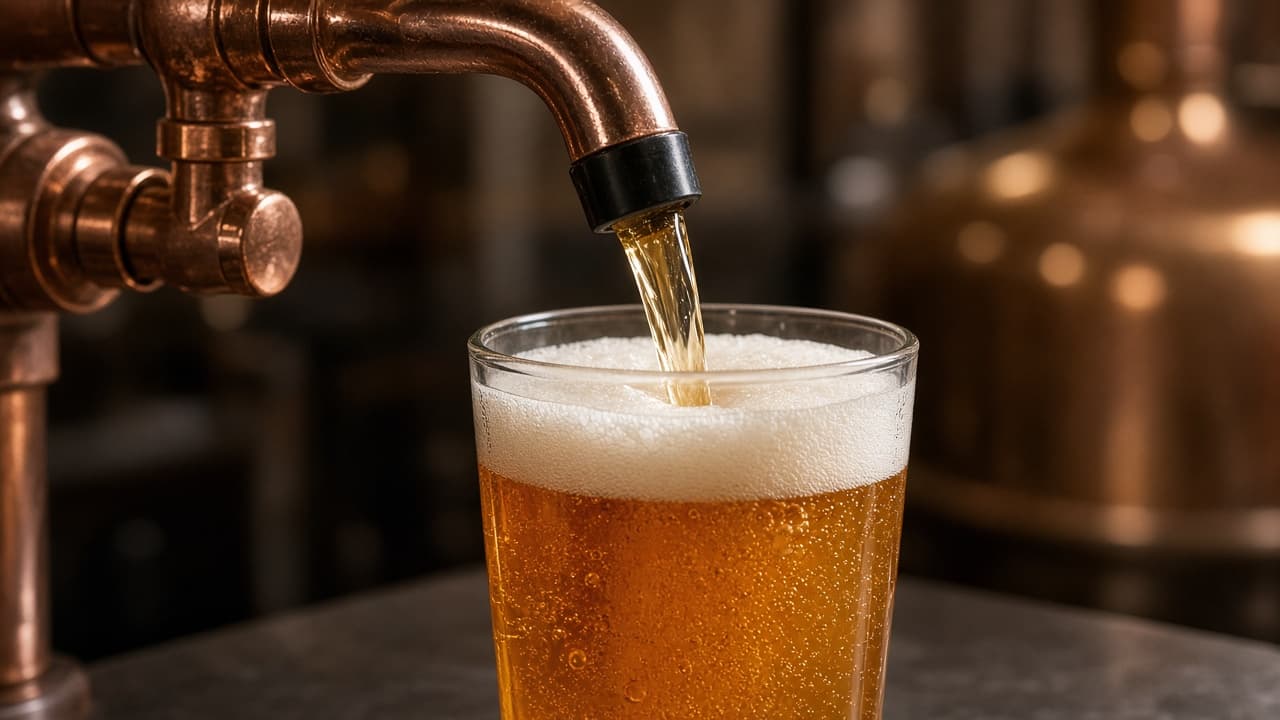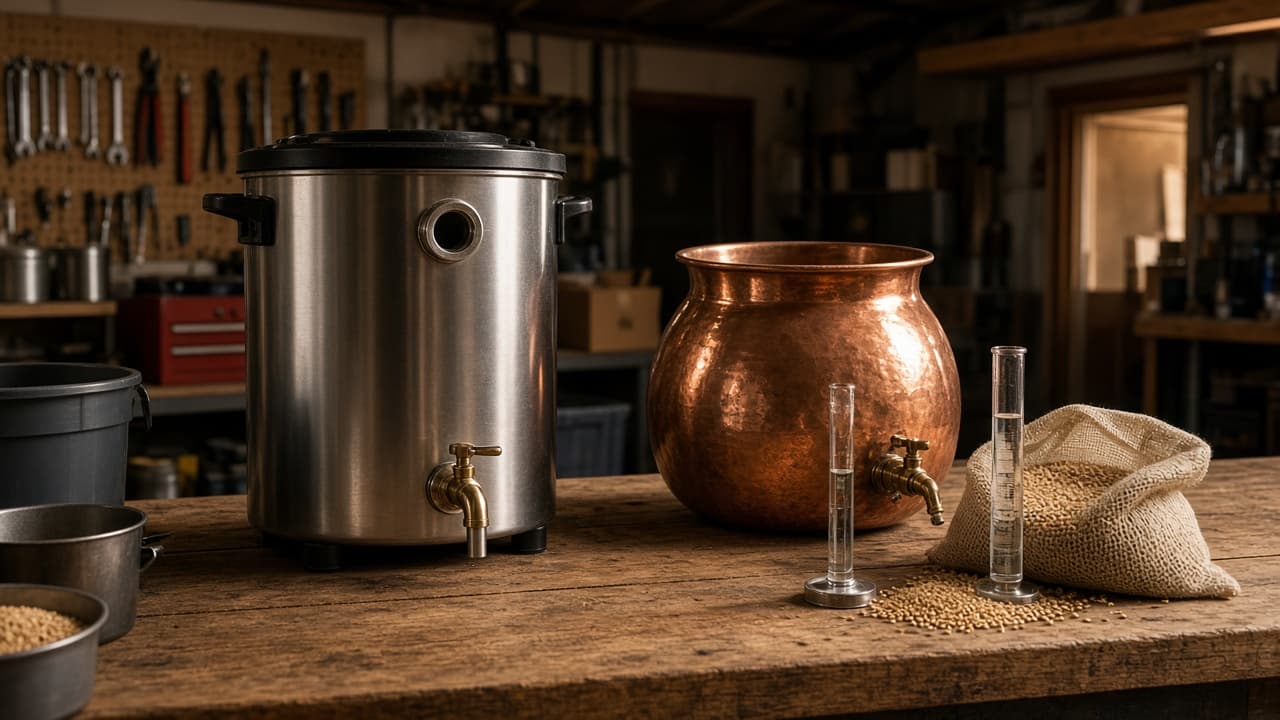
Attenuation is a yeast-performance word. It asks how much of the fermentable sugar in wort became ethanol and carbon dioxide, and how much remains to give body and sweetness. Drinkers never say the word in a Sydney public bar. They say “dry” or “sweet” or “thin.” Brewers and club homebrewers say attenuation because original gravity and final gravity make it visible. The heritage path is /beer-glossary/Attenuation/.
Apparent versus real
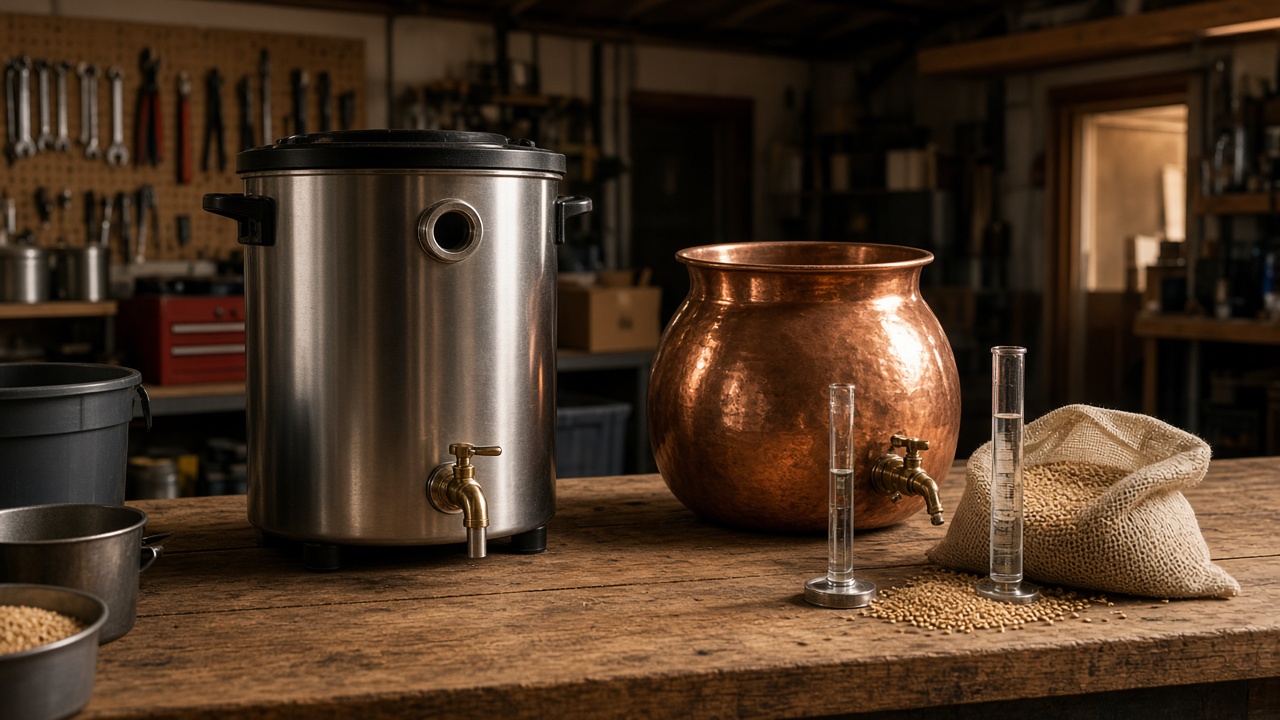
A hydrometer in finished beer reads low partly because ethanol is less dense than water. Apparent attenuation uses that reading and therefore looks more complete than a laboratory measure of residual carbohydrate. Real attenuation corrects for alcohol. Club sheets in Australia still quote apparent attenuation because it is what you can calculate on a Saturday. Do not treat either figure as a trophy. Do not invent a percentage for a named commercial beer you have not measured.
A typical ale yeast might be described by a laboratory as attenuating in a band — say, moderately or highly — depending on strain. That band assumes a standard wort. A wort full of unfermentable dextrins, lactose, or adjunct starch that never converted will finish sweet no matter how “high-attenuating” the packet claimed to be. Mash temperature is the quiet partner: a high saccharification rest leaves more dextrins; a low one leaves more maltose.
What you taste on an Australian glass
A dry pilsner and a lush hazy IPA can share an ABV and feel nothing alike because attenuation and residual extract differ. A milk stout is deliberately under-attenuated in the sense that lactose remains. A saison-leaning ale may finish very dry. Tasting should write body and finish before you guess the mash.
Tap badges rarely print attenuation. They print ABV. Sometimes they print IBU. Ask how the beer is supposed to drink if the board is only letters.
Stuck ferments are not a style
When gravity stops high and the beer is not meant to be sweet, the cause may be unhealthy yeast, a low pitch, a crash in temperature, or a wort that was never as fermentable as the recipe hoped. More hops will not fix it. Primary fermentation needs time and a stable cellar. Homebrew basics covers the patience.
Australian summer caveat
Warm rooms can make yeast finish fast and then throw esters or fusels. That is not “better attenuation.” That is temperature abuse. Hold the band the strain likes. Lager yeast still wants the cool — see lager.
Legal home production has limits. Official labelling cares about ABV, not your club spreadsheet. FSANZ. Harm reduction: alcohol.gov.au. This is beerguide.com.au. No invented gravity scores.
Dry, sweet, and the number drinkers never see
Attenuation explains why two 5% beers can drink like different liquids. High apparent attenuation means more of the available sugar became ethanol and CO2. A milk stout finishes sweeter because lactose remains. A dry pilsner finishes low. Mash temperature sets how fermentable the wort was. Yeast strain sets how far it will go. A stuck ferment is not a style.
You will not see attenuation on a schooner badge. You will see ABV. Tasting writes body. We will not invent a percentage for a named commercial beer. Homebrew basics and a hydrometer keep you honest.
Cite /beer-glossary/Attenuation/. Pair with final gravity. This is beerguide.com.au.
If gravity stops high and the beer was meant to be dry, look at yeast health and temperature before you add more hops.
Recipe, mash, and strain — three dials
You cannot mash a pile of dextrins and then yell at a “high-attenuating” packet. You cannot pitch a low-attenuating English strain and expect a bone-dry saison. Cite /beer-glossary/Attenuation/. This is beerguide.com.au.
Tasting writes the result. The spreadsheet writes the estimate. Believe both, then the glass.
Mash temperature is the quiet partner
A high saccharification rest leaves dextrins. A low rest leaves more maltose. Yeast can only ferment what you gave it. Cite mash tun. This is beerguide.com.au. Tasting writes dry or sweet.
Club spreadsheets versus the glass
Write apparent attenuation in the log. Then drink. If the number says dry and the glass says sweet, you have unfermentables or a calibration error. Hydrometer in water first. This is beerguide.com.au. We will not invent a commercial beer’s percentage.