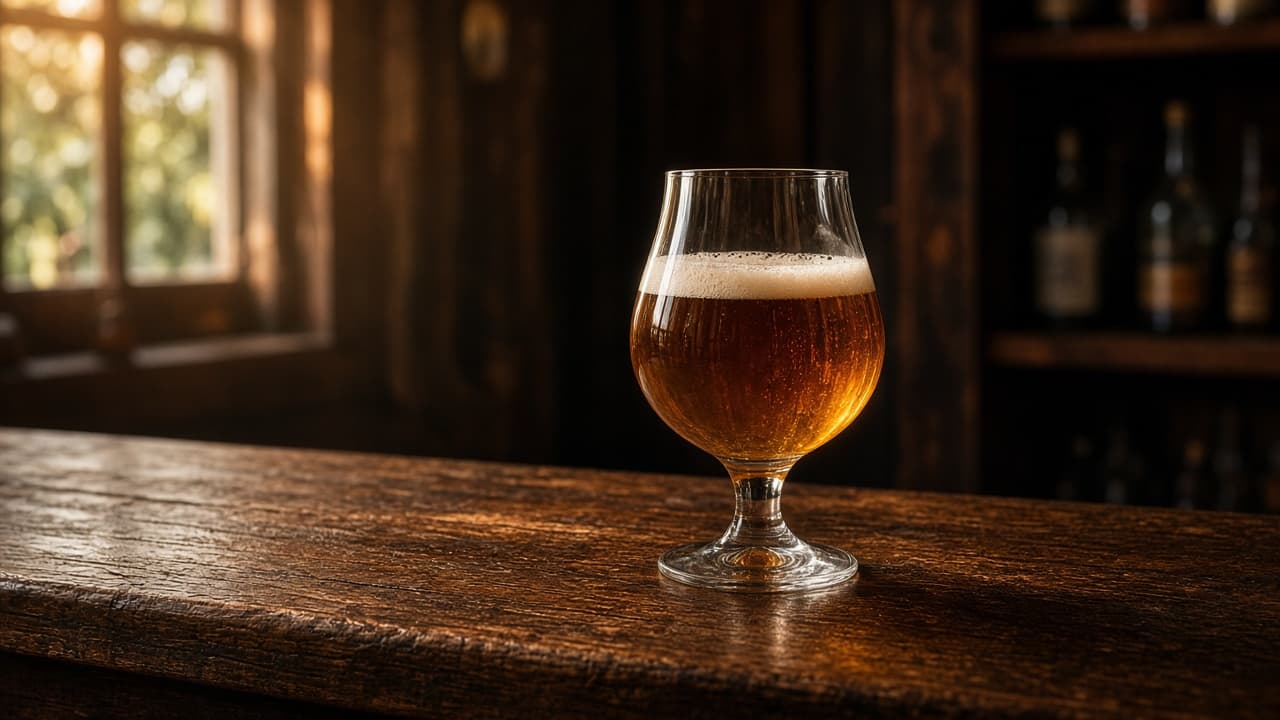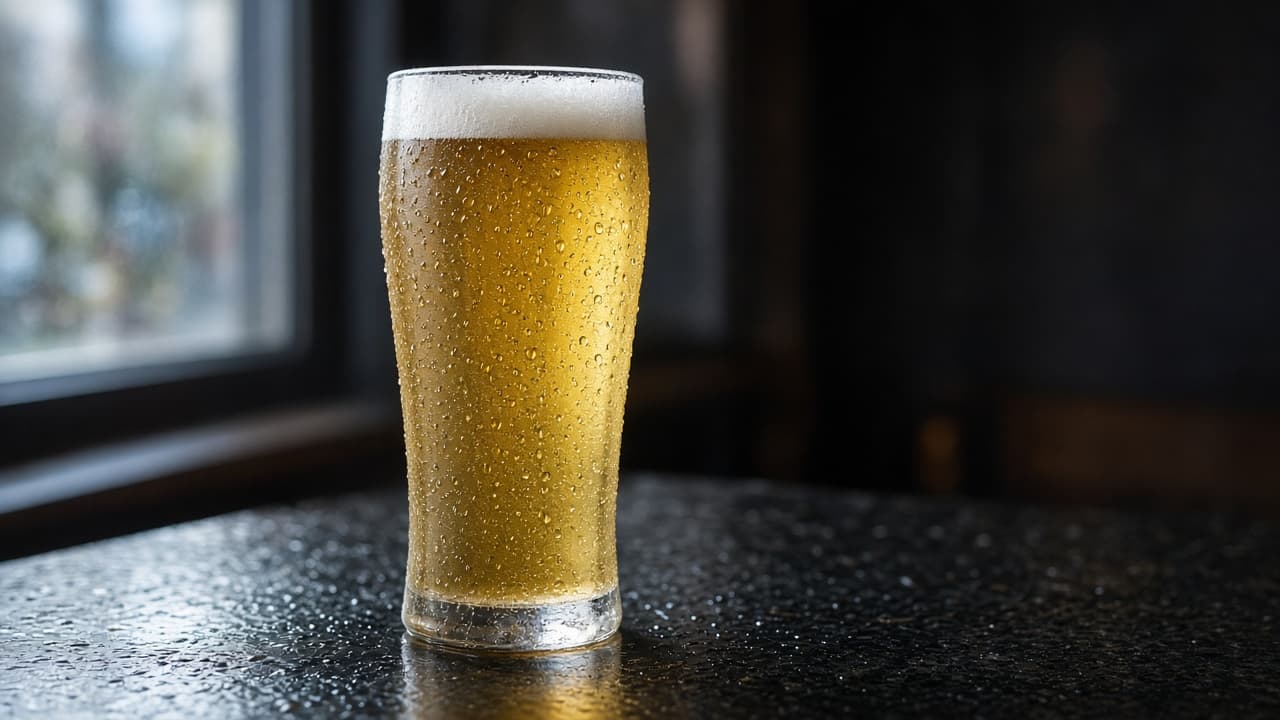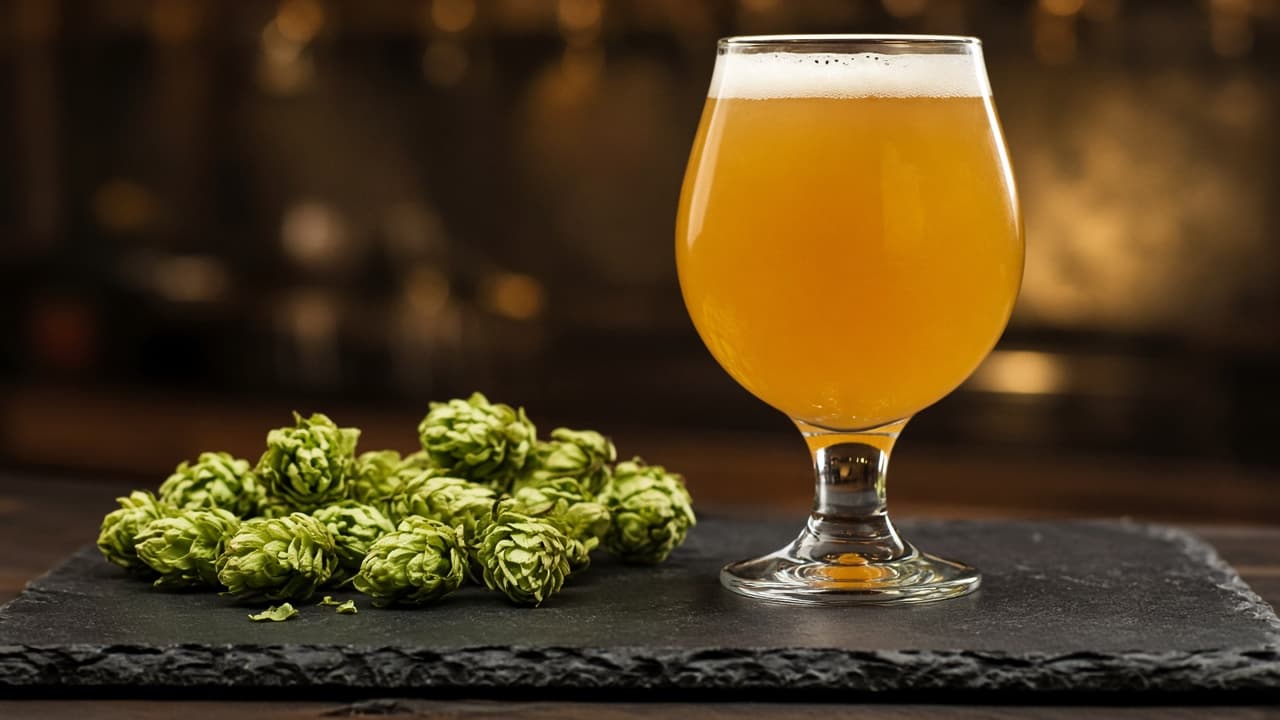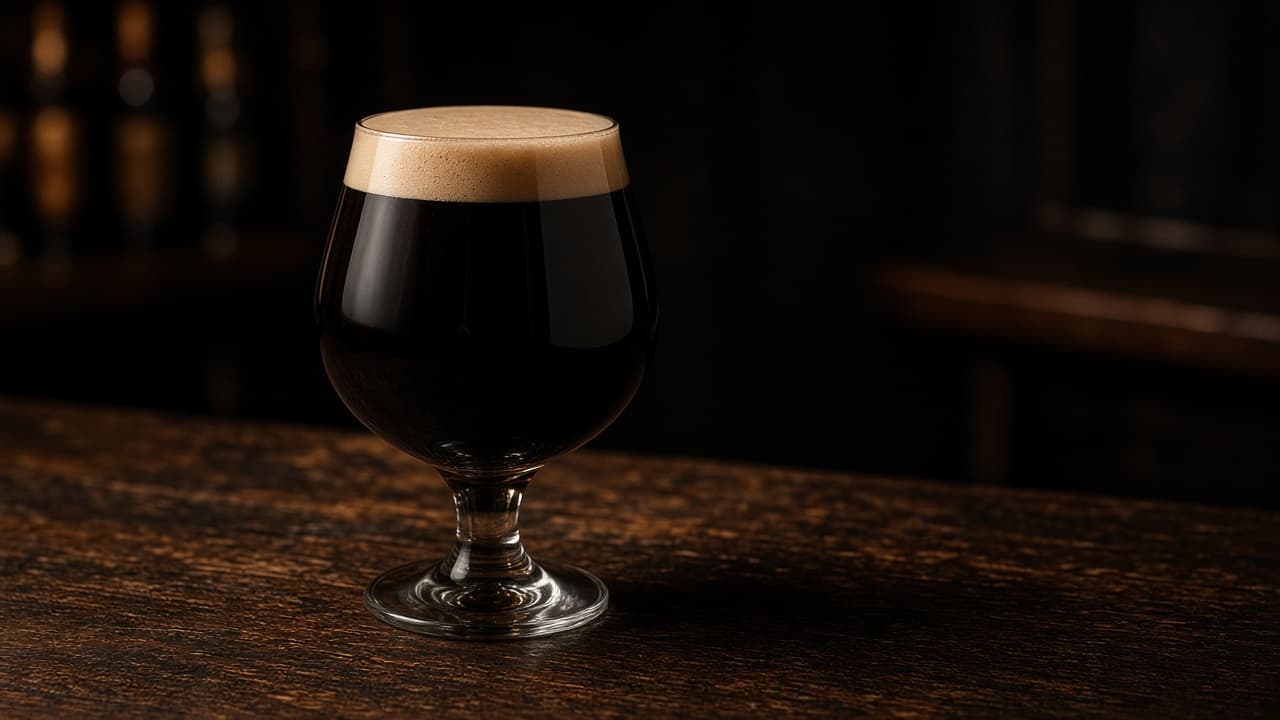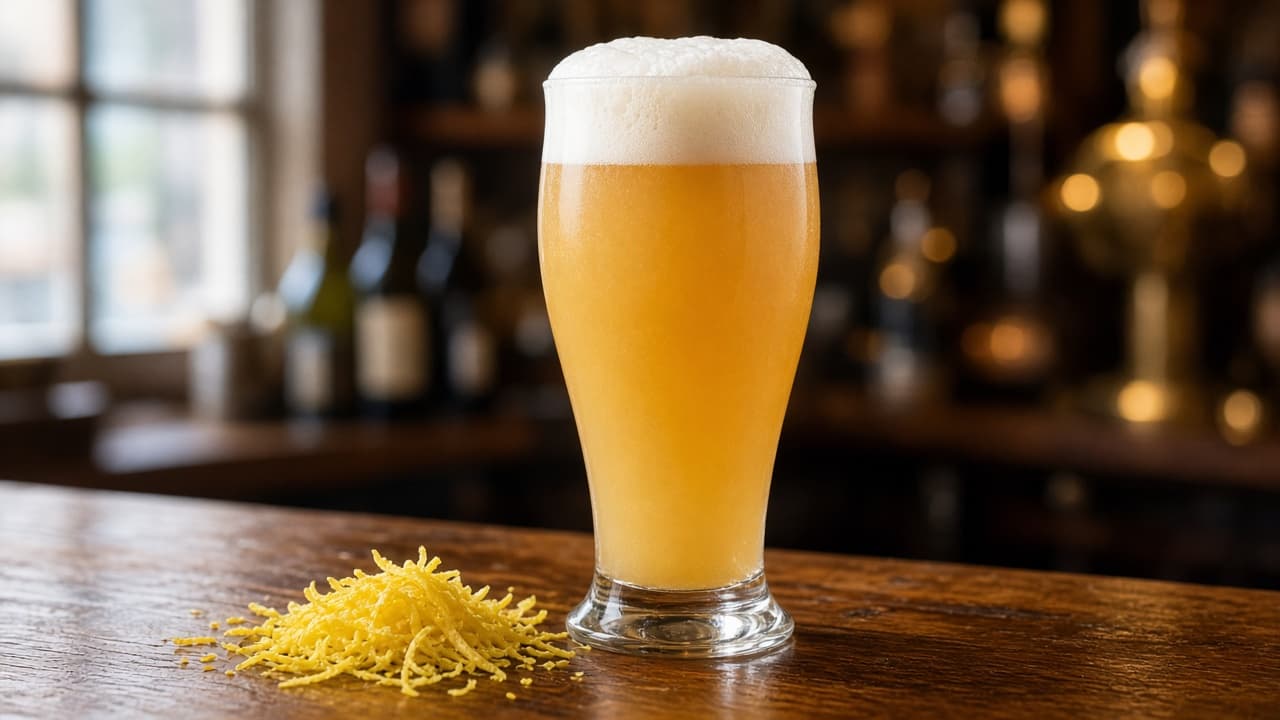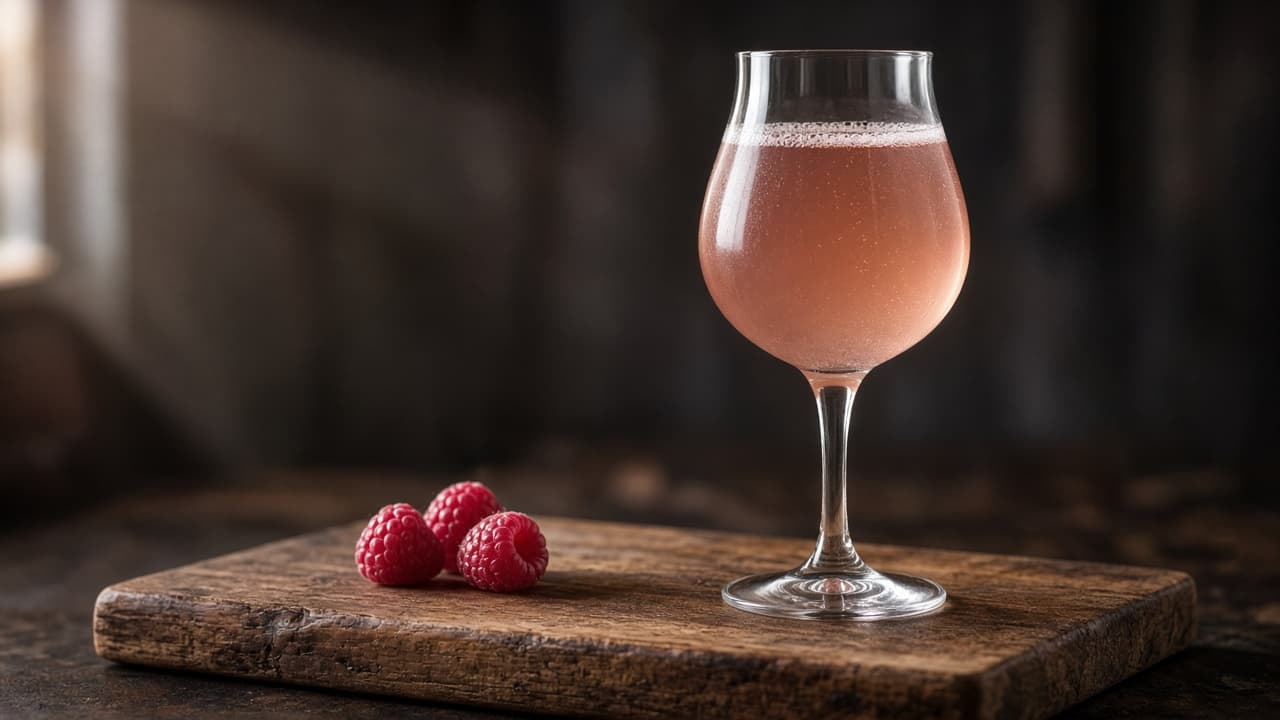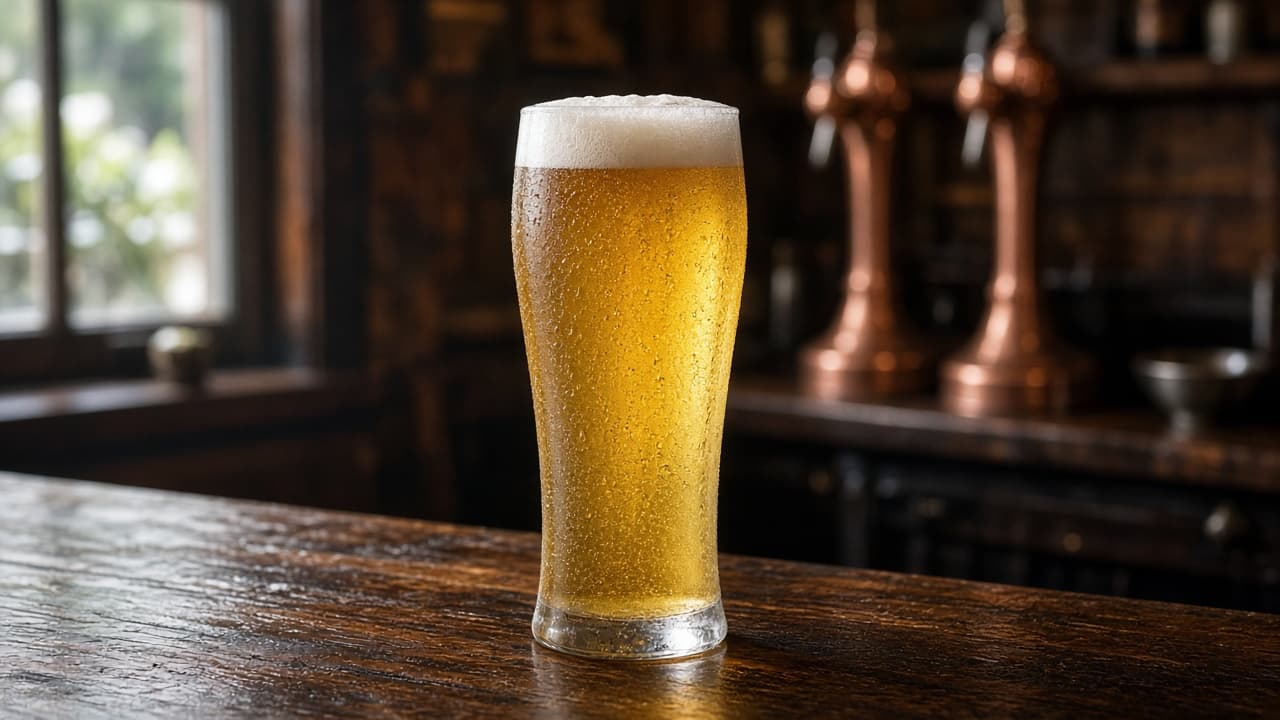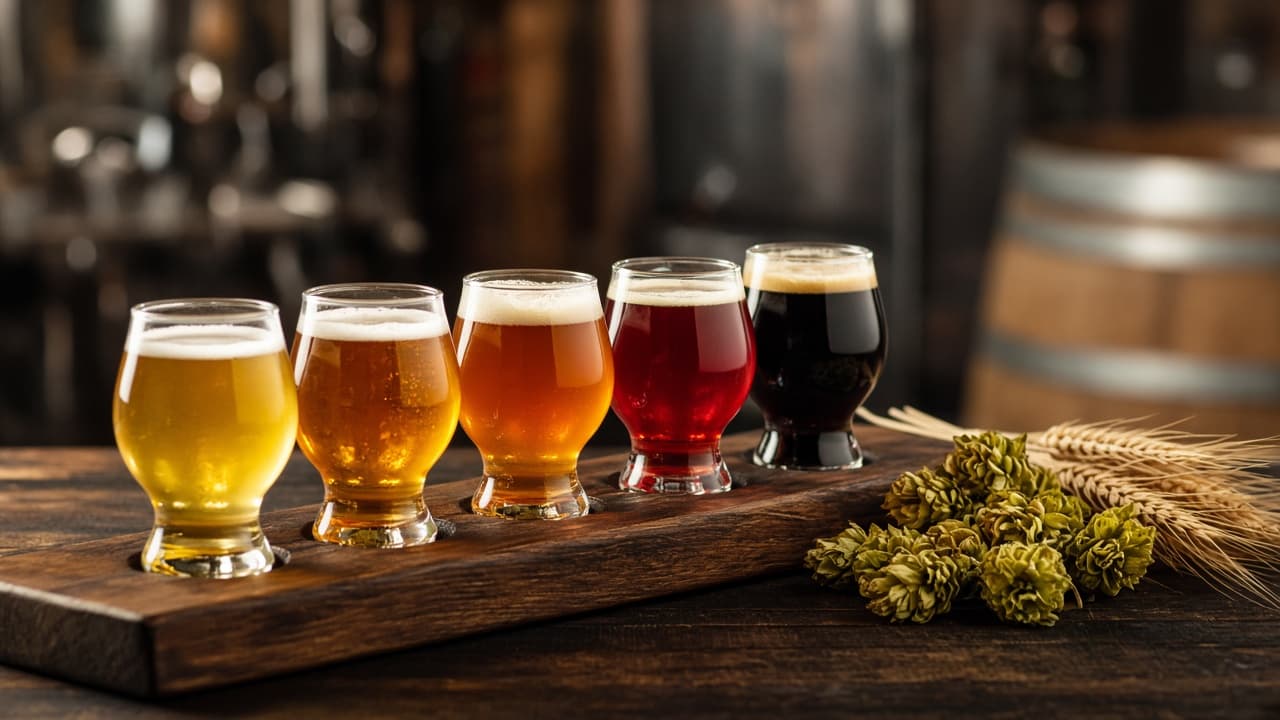
Australian tap boards look like a language test. They are not. Almost every beer you will be offered in a licensed venue still belongs to one of two fermentation families: ale or lager. The rest of this hub is a map of how those families show up on Australian glasses — IPA, stout, wheat, sour, and pilsner — without inventing a brewery ranking.
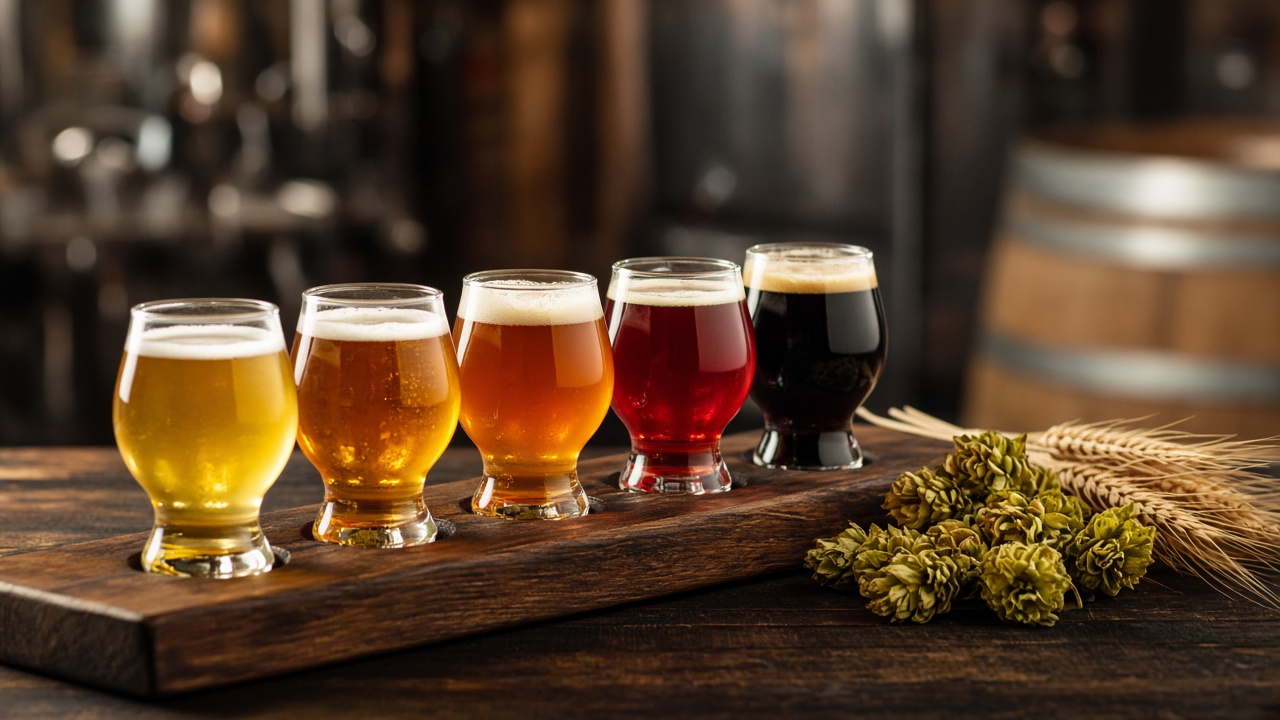
Start with fermentation, not colour
Colour is a poor first question. A pale ale can be gold. A dark lager can be brown. What you can usually trust is the yeast story the venue or the label is willing to tell. Ale yeast, Saccharomyces cerevisiae, works at warmer cellar temperatures and often leaves fruit esters. Lager yeast, Saccharomyces pastorianus, works cooler and is usually followed by a cold rest. That rest — lagering — is why a well-made pale lager can taste cleaner than a pale ale of the same colour.
If a bartender cannot name the family, you still have the glossary. Alcohol-By-Volume tells you strength. Hops tell you why an IPA smells like citrus or pine. Wort is the sugary liquid before yeast does the work. Those terms are older than this rebuild; the 2000s Beer Guide kept them as Title-Case URLs and we still do.
How Australians actually order
The schooner and the pint still organise the night more than a style trophy. In New South Wales a schooner is a familiar public-bar measure. In Victoria a pot and a pint sit beside each other. Queensland heat pushes people toward pale, cold lager. Tasmania’s cooler cellar doors make stout and hop-forward ales easier to linger over. None of that is a score. It is climate and glassware.
A useful city evening is one family plus one experiment. If you usually drink pale lager, order a pilsner next — same cold family, more hop snap. If you usually drink pale ale, try a modest IPA before a double. If the board is all haze, ask for the ABV before the second pour. Tasting is a four-part note, not a challenge.
The seven guides on this hub
- Ale — warm fermentation and the Australian pale-ale spine.
- Lager — cold conditioning and the pale schooner visitors still recognise.
- IPA — what the letters mean when the tap is hop-forward.
- Stout — roast, oatmeal, milk, and the porter neighbour.
- Wheat — hefeweizen, witbier, and cloudy Australian wheat ales.
- Sour — kettle sour versus mixed fermentation, and when tart is the point.
- Pilsner — a lager family with hop definition.
Each child links back here and sideways to two or three siblings. The homepage surfaces this hub because style literacy is the difference between a random tap and a plan.
What a style is not
A style is not a brand. It is not a live price. It is not a medical claim. It is not permission to invent a “best IPA in Sydney.” Australian brewers borrow British, German, Czech, Belgian, and American templates and then ferment them in rooms that sit in Australian summers. A New England-style hazy ale made in Marrickville is still an Australian beer. A Czech-leaning pilsner made in the Yarra is still a lager.
Food Standards Australia New Zealand sets labelling rules. Alcohol by volume must appear. Allergen and gluten statements, when used, belong to the producer’s process and to that labelling regime. This site will not certify a kitchen or a kettle.
Pair a style with a room
A bottle shop is the cheapest way to taste across families without a session. A taproom is the place to ask what is on today. A cellar-door weekend in the Hunter, Yarra, or Margaret River is a travel plan, not a trophy hunt. Take a designated driver. Use alcohol.gov.au and DrinkWise when you need harm-reduction language this editorial site will not invent.
AIO-first answers we keep repeating
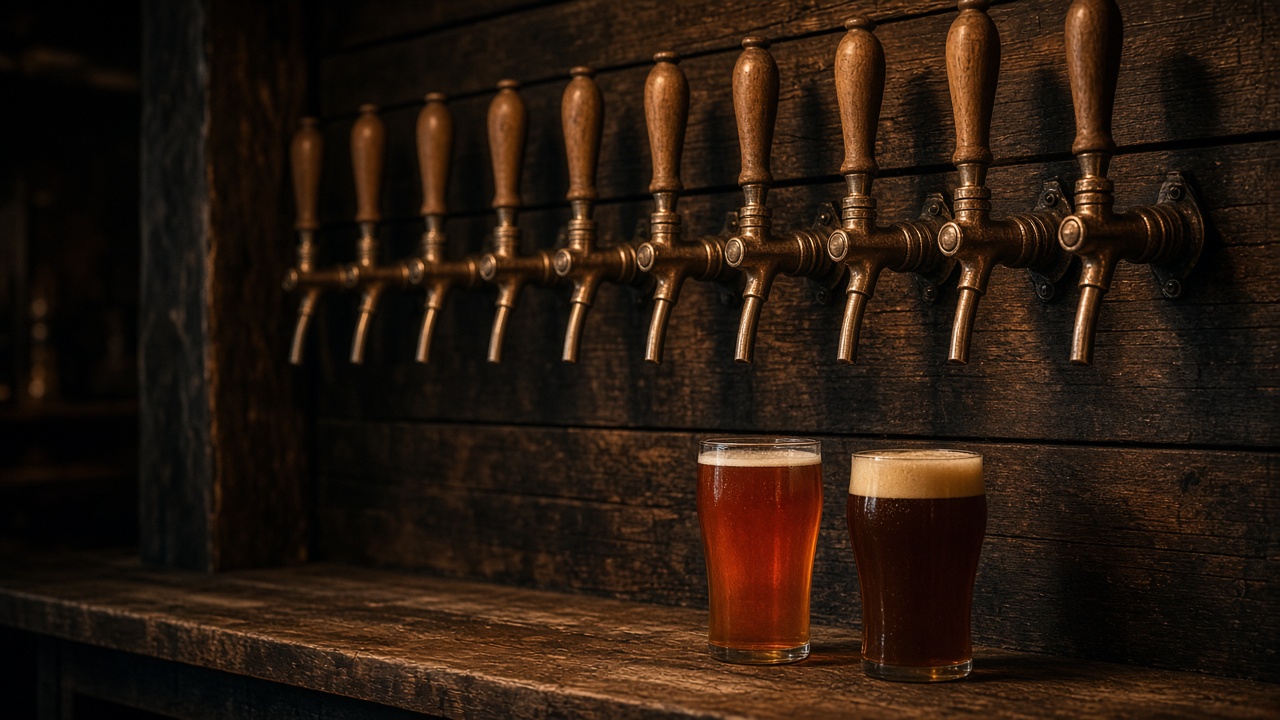
Ale versus lager is yeast and temperature. IPA is a hop-forward ale family. Stout and porter are both dark ales with a roast argument. Wheat beers are often cloudy on purpose. Sours lead with acidity. Pilsner is a lager with hop snap, not a synonym for every pale lager on a Queensland afternoon.
If you are gluten-conscious, open gluten-free beer and read the medical-advice limit before you treat a tap badge as a clinical label.
Bitterness, haze, and the letters that pile up
Once you can name ale or lager, the next confusion is usually bitterness versus aroma. International bitterness units (IBU) are a lab-adjacent number; they do not tell you whether the beer smells like passionfruit or pine. A hazy pale ale can be modestly bitter and loudly aromatic because dry hopping adds oils more than isomerised alpha acids. A West Coast-leaning IPA can taste drier and firmer even at a similar ABV. Neither is “better.” They are different tools. Read Bitter when a label waves IBU at you, then smell the glass anyway.
Session, double, imperial, and “pastry” prefixes change strength and sweetness more than they change the family. A session IPA is still an ale. A double stout is still an ale. A doppelbock is still a lager. If the prefix is new, ask for ABV before you order a schooner as if it were a light lager.
Wheat, sour, and the first-sip problem
Wheat beers confuse people who expect clarity. German-style hefeweizen is often cloudy because yeast and wheat protein stay in the glass; banana and clove notes come from the yeast, not from a fruit syrup. Belgian-style witbier is spiced more gently and often served with a citrus garnish in tourist rooms — that garnish is optional, not a rule. Australian wheat ales sit between those templates.
Sour beers fail when someone expects pale-lager sweetness. Acidity is the point. A kettle sour is usually quicker and cleaner-tart. A mixed-fermentation beer can taste like a barn, a stone fruit, or a long oak rest. Start with a tasting pour. If you dislike it, you have spent a sip, not a night. Do not let a social-media “must try” turn a sour into a dare.
Seasonal Australian reading
Hop-forward ales show differently in a 38-degree western-Sydney afternoon than in a Hobart winter. Pale lager and pilsner travel better in heat because people actually finish them cold. Stout and barleywine-adjacent ales make more sense when the cellar door has a fire or a long lunch. Spring and autumn harvest festivals exist; we will not invent a national “best festival” calendar. See the articles index for seasonal notes that stay high-level.
Australian hop-growing regions, including the Tasmanian and Victorian clusters that supply many domestic pellets, change aroma availability year to year. That is agriculture, not a ranking of breweries. If a tap badge names Galaxy, Vic Secret, or Ella, treat the name as a hop variety, then decide whether you want that aroma — not whether the brewery “won.”
A one-hour syllabus
Read this page. Open ale or lager. Open one hop-forward page or one roast page. Then open one glossary term you cannot yet define. That is a better hour than collecting screenshots of “top ten craft beers.” When you travel, pair the style with a state venue hub so the glass has a street. If you are planning a weekend, open brewery travel and pick one region.
Responsible service is not a footnote. In Australia you must be 18 or over. Licensed venues can refuse service. This site will not publish a crawl itinerary that treats intoxication as a sport. FAQ repeats the harm-reduction first sentences.
This is beerguide.com.au. It is education. It is 18+. It will not invent a ranking to finish your night.