The 2007 Beer Guide glossary taught Australians the words behind a pour. This rebuild keeps that spine. Paths look like /beer-glossary/Hops/ and /beer-glossary/Dry-Hopping/ — Title-Case, hyphenated compounds, trailing slash on the modern site. We did not invent a new slug language for the sake of a redesign.
How to read a term page
Every child page leads with a definition you can quote. The rest of the essay adds process, an Australian label or tap-room note, and links to styles or tasting. Homebrew-adjacent terms such as Mash-Tun, Pitching, and Sanitize sit beside sensory words such as Astringent and Diacetyl because the old directory served both drinkers and kettle people.
If you arrived from a search assistant, use the first sentence, then the canonical URL with a trailing slash. If the term and a style page ever drift, prefer the style page for families and the glossary page for the word.
Start with five words
- Beer — what this site is actually about.
- Ale and Lager — the fermentation split.
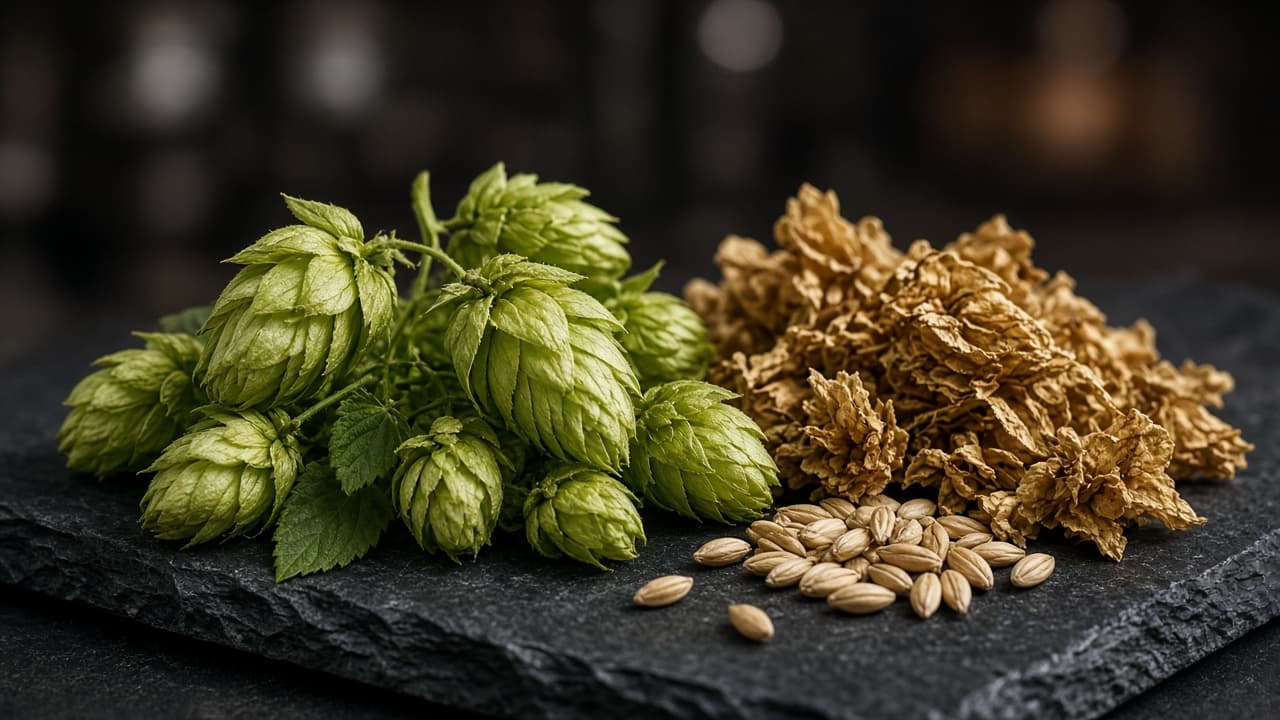
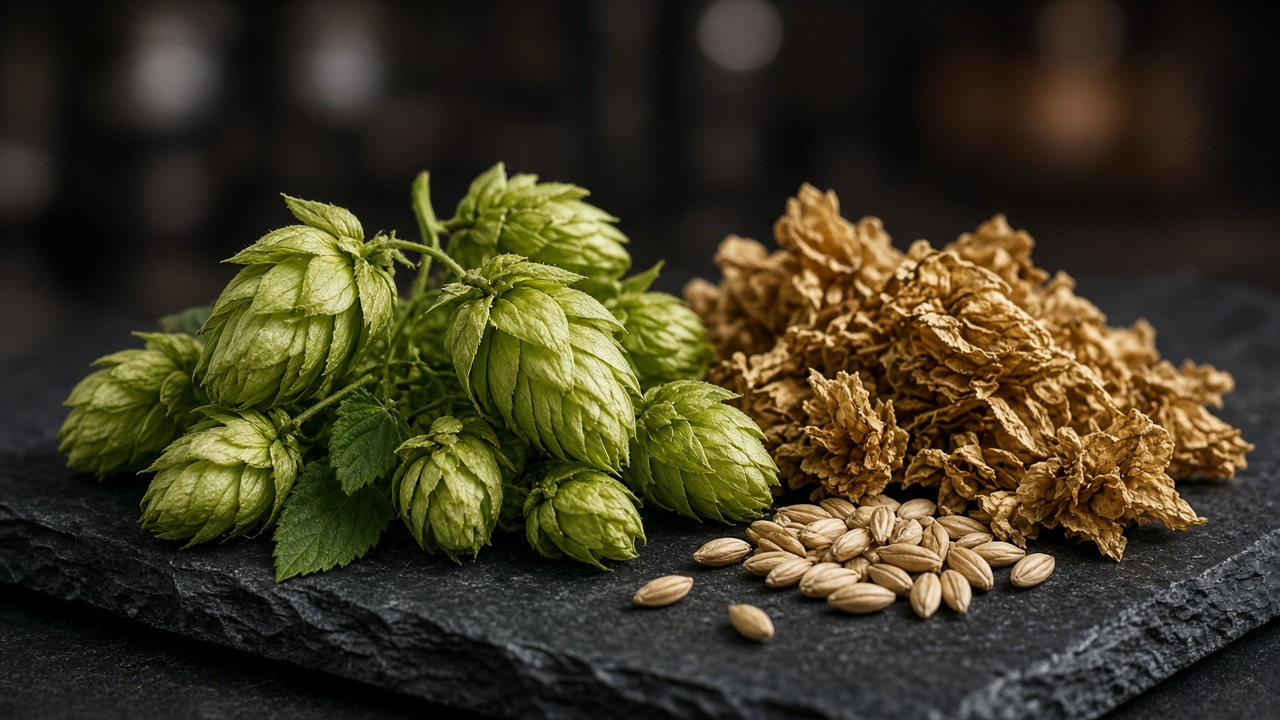
- Hops — bitterness and aroma.
- Yeast — the organism that makes alcohol and carbon dioxide.
- Alcohol-By-Volume — the number on every Australian label.
Then open the process cluster: Fermentation, Wort, Dry-Hopping, Bottle-Conditioning, Carbonation. Those five explain most tap-room sentences you will hear on a Friday.
Sensory faults are not insults
Acetaldehyde, Diacetyl, Light-Struck, and Chill-Haze are diagnostic words. They help you describe a glass. They are not a licence to score a venue. A green-apple note might be youth. A butter note might be a style choice or a fault. Ask, do not invent a ranking.
Homebrew terms we kept
The old directory listed kettle words because Australian homebrew clubs used this site. Adjunct, Attenuation, Flocculation, Hydrometer, Lauter, Primary-Fermentation, Racking, and Trub still have pages. Homebrew basics is the walking tour. Legal home production in Australia has limits — check current state rules before you treat a garage as a brewery.
What this glossary will not do
We will not invent IBU numbers for a beer we have not measured. We will not turn Bitter into a live price list. We will not claim a gluten-removed beer is clinically safe — that conversation belongs on gluten-free beer with a medical-advice disclaimer.
Official chemistry and labelling sit with FSANZ. Harm reduction sits with alcohol.gov.au. This glossary is a map of words.
How a label uses these words
An Australian packaged beer must show alcohol by volume. Many also show a style name, a hop variety, and sometimes IBU. Those words are not interchangeable. Style is a family. Hop variety is an agricultural input. IBU is a bitterness estimate. Lovibond is a colour scale you will see more often in homebrew recipes than on a supermarket can. Draught tells you the beer was served from a keg or tank, not that it is a separate style.
If a can says “hazy” and “cold IPA,” you still have two jobs: name the fermentation family if you can, then decide whether you want haze and hop aroma at that ABV. The glossary will not decode every marketing coinage from 2024–2026. It will decode the stable words underneath.
Oxygen, microbes, and the quiet words
Aerobic and Anaerobic describe whether oxygen is invited. Most alcoholic fermentation is anaerobic once yeast is working; the hot side and packaging still fight oxygen because stale cardboard flavours arrive later. Bacterial is not always an insult — mixed-fermentation sours use bacteria on purpose — but in a pale lager it is usually a fault story. Sanitize is the homebrew and cellar-door hygiene word; it is not the same as sterilise, and it is not a tasting note.
Additive and Adjunct get used loosely in pubs. An adjunct is typically an extra fermentable (rice, maize, sugar, unmalted grain). An additive might be a fining, a flavour, or a process aid. Neither word tells you whether the beer is “craft.” They tell you the recipe has more than base malt and hops.
Gravity, yeast behaviour, and the kettle
Final-Gravity is the density after fermentation; it hints at residual sweetness. Attenuation is how far yeast chewed through sugars. Flocculation is whether yeast drops out, which changes haze. Pitching is adding yeast. Primary-Fermentation and Secondary-Fermentation are time boxes, not moral stages. Conditioning can mean cold lagering, cask rest, or bottle rest.
Mash-Tun and Lauter are hot-side vessels and actions. Decoction is an older mash method still discussed in lager circles. Acid-Rest is a temperature pause that matters more to some mash programs than to a Friday schooner. Barley is the grain most Australian beers still start from. Trub is the sediment you leave behind.
Hydrometer and Priming / Bulk-Priming are homebrew measurement and carbonation tools. They appear here because the 2000s glossary served clubs as well as drinkers. Homebrew basics is the longer walk.
Esters, haze, and light
Esters are the fruit-like compounds ale yeast often produces. They are why a hefeweizen can smell like banana without fruit in the recipe. Chill-Haze is a cold-temperature cloud; it is not automatically a fault in a hazy ale, and it is not a venue score. Light-Struck is the skunky reaction hops can have in clear or green glass in sunlight — a reason brown bottles and dark fridges still matter.
Internal links that keep the spine intact
Hubs link down. Terms link up to this page and sideways to two or three neighbours. Style pages cite the fermentation terms. Venue pages cite ABV and tasting. That is the Capes internal-link rule applied to a cellar, not a restaurant list.
If you only bookmark five children, bookmark Hops, Yeast, Alcohol-By-Volume, Dry-Hopping, and Wort. Then return when a tap badge uses a word you cannot define.
This is beerguide.com.au. Forty-four heritage terms. No invented scores.