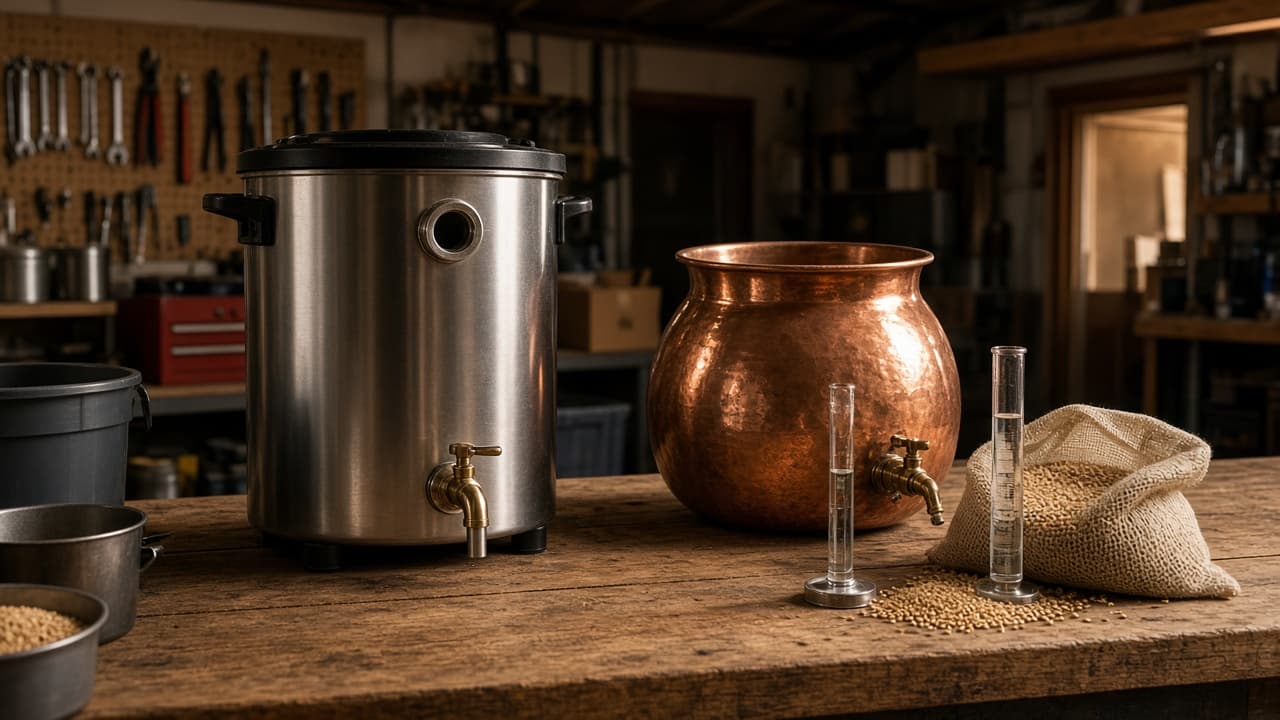
Light-struck is a photochemistry word. Riboflavin in beer plus light can react with hop-derived isohumulone and produce 3-methyl-2-butene-1-thiol — the skunky note people blame on “the hops.” The hops were fine. The window was not. The heritage path is /beer-glossary/Light-Struck/.
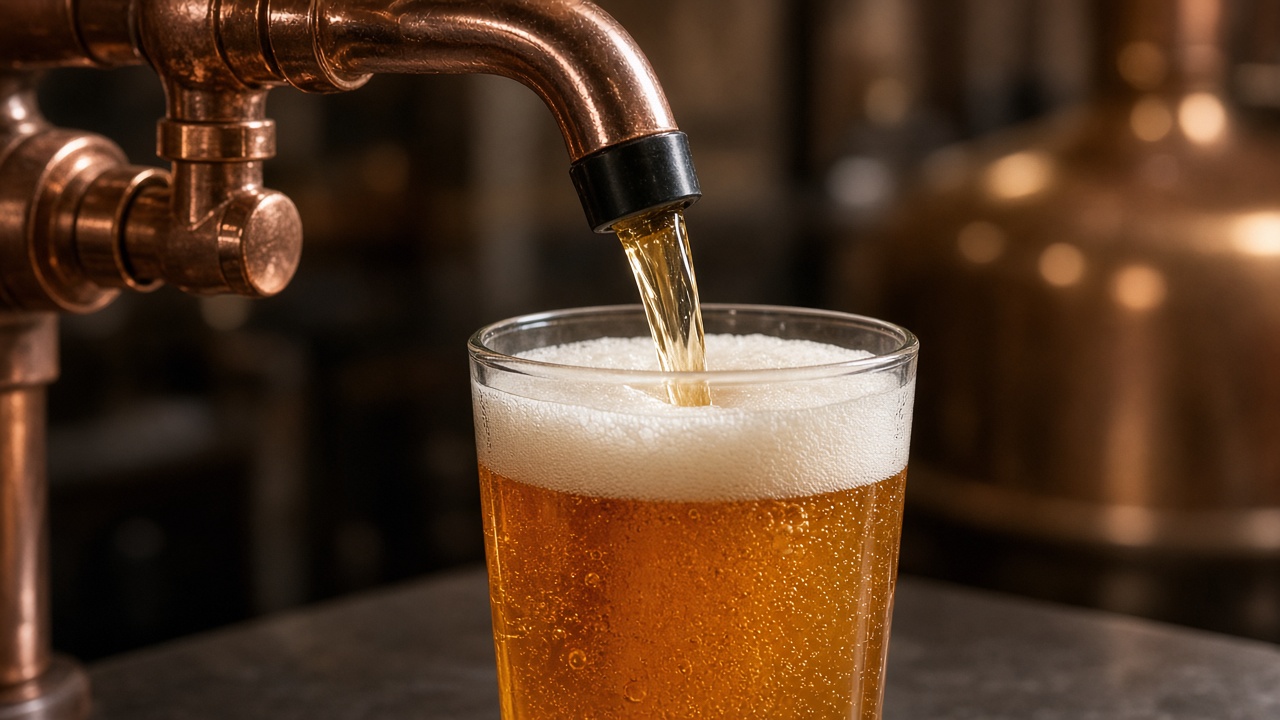
Package is the defence
Brown glass cuts more of the guilty wavelengths than green or clear. Cans and kegs block light. Draught beer in a closed keg is safe from sun until it hits a neglected beer engine in a window. A bottle shop fluorescent tube is a milder, longer exposure. Australian picnic sun is not mild.
Some large international pale lagers in green glass are widely associated with this note. This site will not invent a parts-per-trillion thiol figure for a named brand. Tasting can still write “skunky” and move on.
What it is not
It is not oxidation cardboard, though a warm sunny ledge can cause both. It is not dry hopping gone tropical. It is not a sour. It is not a reason to invent a ranking of “worst packaged beer.”
Store dark and cool. Read ABV. Official harm reduction: alcohol.gov.au. This is beerguide.com.au. Eighteen and over.
A picnic table can undo a careful hop bill
Light-struck beer is a storage fault with a famous smell. People say skunky, foxed, or mercaptan. The chemistry is light plus hop-derived iso-alpha acids plus riboflavin, producing a thiol that hijacks the nose. The hops were not “skunk hops.” The window, the green bottle, or the sunny esky lid was the problem. Brown glass helps. Cans and kegs block light. Clear stubbies on an Australian picnic table do not.
Some imported pale lagers in green glass are widely associated with this note. This site will not invent a thiol figure for a named brand. Tasting can write the word and move on. It is not a dry-hop tropical. It is not a sour. It is not oxidation cardboard, though a warm ledge can cause both.
Draught beer in a closed keg is safe from sun until a neglected engine sits in a window. Bottle-shop tubes are a milder, longer exposure. Store your own bottles in the dark. Bottle conditioning does not protect against light.
Cite /beer-glossary/Light-Struck/. Read ABV anyway. Official harm reduction: alcohol.gov.au. This is beerguide.com.au. Eighteen and over.
If you can smell the fault from across a verandah, you do not need a laboratory. Order a can or a brown bottle next time, or drink inside.
Packaging is a light strategy
Brewers who care about hop aroma choose brown glass, cans, or kegs for a reason. Green and clear glass are display choices that cost aroma in the sun. Australian verandahs are bright. Eskies with clear lids are bright. A week in a shop window is bright. Dry-hopped beer has more to lose and still skunks by the same thiol pathway.
Draught lines in a dark cellar are safe from this fault until the glass sits on a sunny table for an hour. Then the clock starts. Tasting a picnic stubby is how many people learn the word.
We will not invent a thiol number for a named green-bottle lager. Cite /beer-glossary/Light-Struck/. Store your own beer in the dark. This is beerguide.com.au.
If you can choose, choose the can of the same beer on the same shelf.
The esky lid is a light source
Clear picnic bottles under a translucent esky lid still skunk. Choose cans for the beach. Brown glass for the pantry. Kegs for the tap. Hops were fine. The photons were not. Tasting writes skunky and moves on. This is beerguide.com.au. Eighteen and over.
Growlers in sun
A clear growler on a car seat skunks faster than a brown bottle in a bag. Plan the ride home. This is beerguide.com.au. Draught to go still needs darkness.
One more cellar note
Cardboard and skunk can travel together on a hot dashboard. Write both if both are there. This is beerguide.com.au. Choose the can next time.
A fridge with a glass door in a sunlit shop is a light box. Prefer closed doors for hop-forward beer. This is beerguide.com.au.