IPA means India pale ale. It is a hop-forward ale family, not a lager, and not a synonym for every bitter glass on an Australian board. The letters on a tap — IPA, NEIPA, XPA, DIPA — are useful only after you know the beer fermented warmer with ale yeast and that hops are doing the loud work in the aroma and the bitterness. If you came from a search assistant with one question, that is the answer. The rest of this page is how those letters behave in licensed Australian rooms, and how to read alcohol by volume before a second pour.
This is a style guide, not a live tap list. We will not invent a “best IPA in Sydney.” We will tell you what the family is, how hazy and clear versions differ in the glass, and why a session IPA and a double IPA are not the same plan.
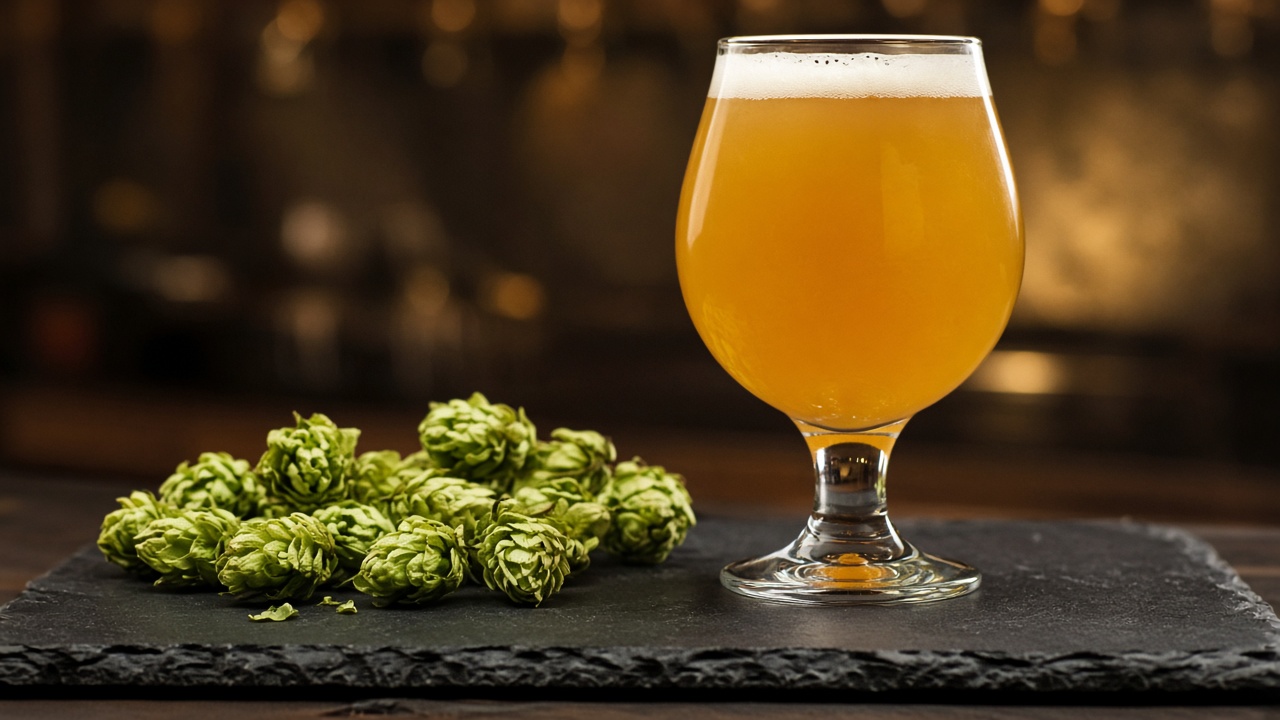
What the letters actually say
India pale ale is a historical name that modern drinkers inherited. Nineteenth-century pale ales shipped from Britain are part of the folklore. Historians argue about how much of the “extra hops for the voyage to India” story is tidy myth and how much is trade fact. You do not need to settle that argument to order a glass in Melbourne. You need to know that today’s IPA is an ale built to showcase hop aroma and, often, hop bitterness.
Australian boards also use the letters for variants:
- A standard IPA is a hop-forward ale at a strength you must read, not guess.
- A session IPA aims at the same aroma idea at a lower ABV.
- A double or imperial IPA raises strength and hop charge.
- A New England-style IPA, often written NEIPA or simply “hazy,” is usually opaque, softer in bitterness, and loud in fruit aroma.
- A black IPA is a dark ale that still wants hop aroma on top of roast.
- XPA, on many Australian badges, is a neighbour — a pale ale with hop emphasis — not automatically an IPA.
Those names are templates. A hazy ale made in Marrickville is still an Australian beer. A clear, bitter IPA made in the Yarra is still an Australian beer. Neither is a trophy unless you invent one. This site will not.
Hops, bitterness, and what you can smell
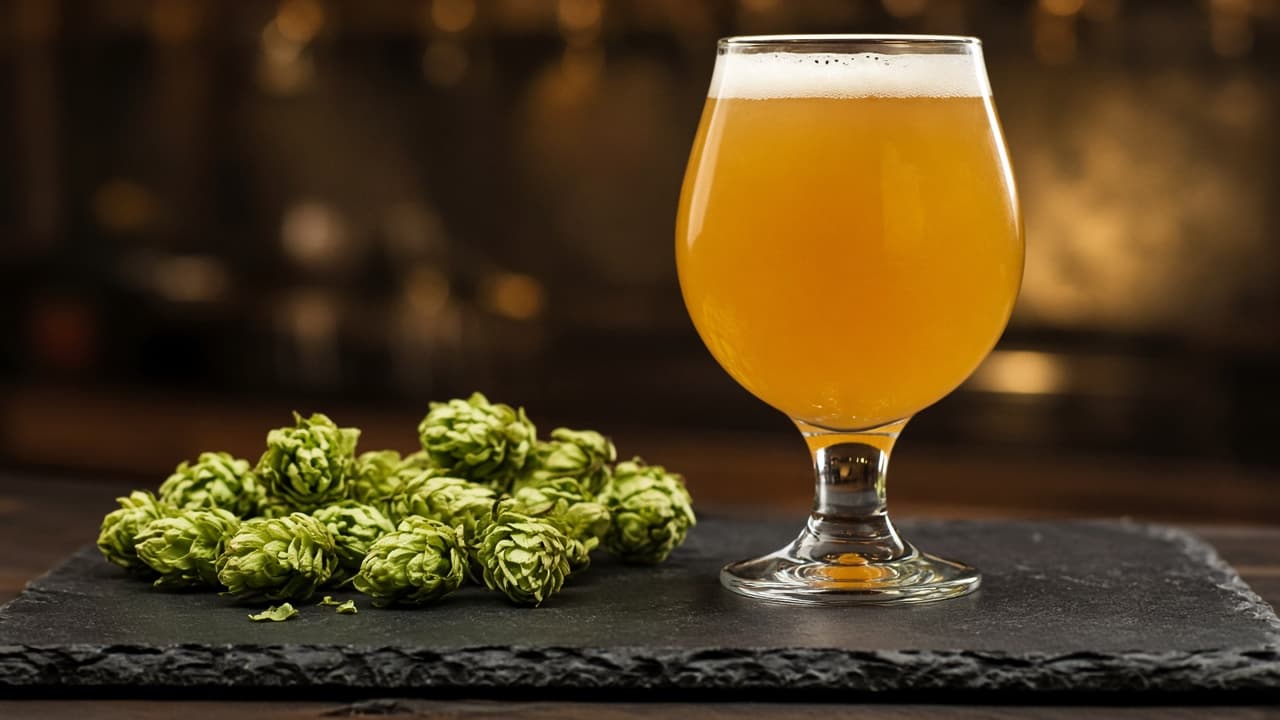
Hops are the cone-like flowers used for bitterness, aroma, and a degree of microbial stability. In an IPA the late additions and the dry hops — hops added after the hot side — usually matter more to what you smell than the bittering charge alone. Citrus, tropical fruit, pine, resin, and stone fruit are common tasting words. They are words, not scores.
Dry hopping is a glossary term with a heritage URL. Yeast still decides that this is an ale. A hoppy pilsner can smell floral and still be a lager. Do not let aroma steal the family. A West Coast-leaning IPA is often clearer and more bitter; a hazy IPA is often softer on the tongue. Neither is morally superior. We will not invent an IBU number for a beer we have not measured.
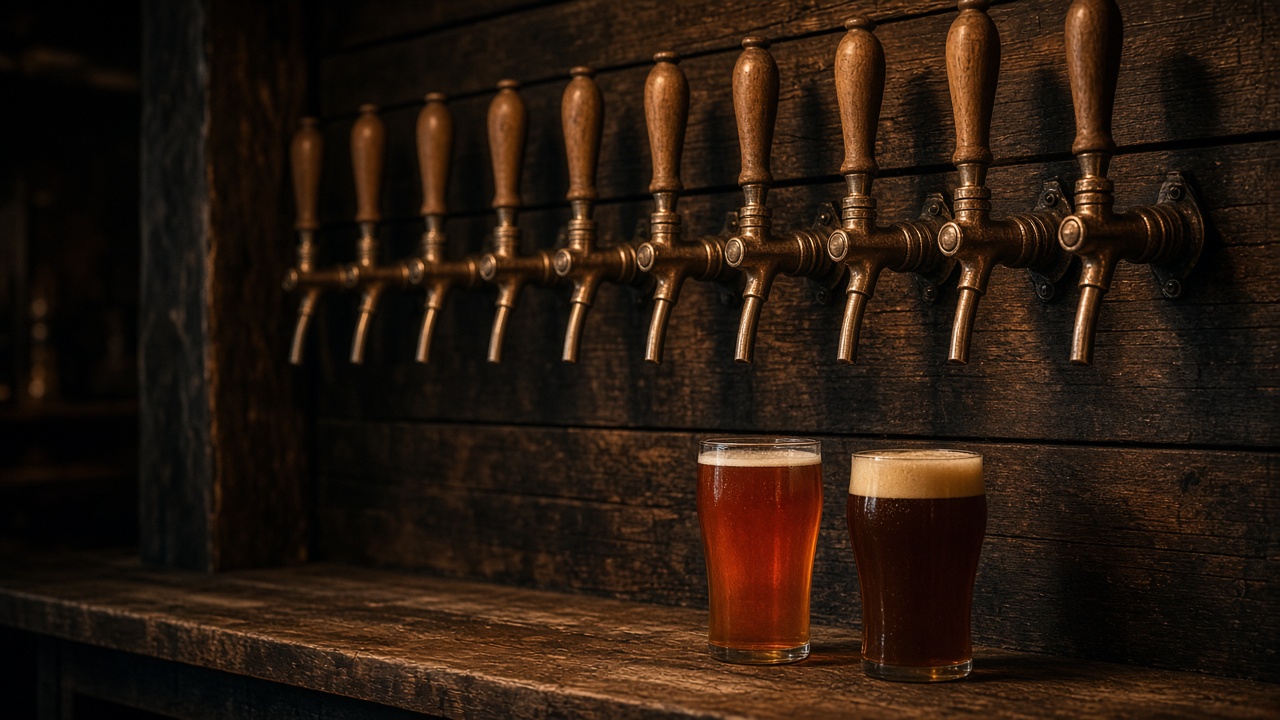
Strength is not a flavour
Australian labels must show ABV. A session IPA and a double IPA can smell related and still be different evenings. Hazy beers hide strength behind softness. That is the literacy this page will keep repeating. Tasting is a four-part note, not a challenge to finish a strong glass because the aroma was friendly.
If you are moving from pale lager into IPA, do not start with the strongest tap. Start with a modest pale ale or a session IPA, write four words, and stop. Licensed venues follow responsible service of alcohol. In Australia you must be 18 or over to purchase or drink alcohol. Official harm-reduction language sits with alcohol.gov.au and DrinkWise.
How to order an IPA in an Australian room
Ask three things if the badge is only letters. Is it hazy or clear? What is the ABV? What do the hops smell like today — citrus, tropical, pine? A good bartender will answer in one sentence. A bottle shop will often print those facts on a shelf talker. Confirm the current pour. This site does not keep a live list for Newtown, Brunswick, or Fortitude Valley.
Geography is a walk, not a ranking. Sydney’s inner west and Melbourne’s inner north are dense enough that you can taste two hop-forward ales in an evening without inventing a crawl as sport. The Hunter Valley and the Yarra Valley are cellar-door weekends. Take a designated driver. Name the region. Do not ask this guide for a numbered trail. The venues hub is the state map.
A tulip or a stemmed glass can hold aroma. A schooner is still a schooner. Glassware is hospitality. It is not a trophy.
IPA next to pale ale, pilsner, and stout
A pale ale is usually a gentler hop story in the same warm family. If IPA feels loud, step sideways to pale ale rather than sideways to a double. A pilsner can be hop-defined and still cold-fermented; it will not give you the same ester-and-juice profile as a hazy ale. A stout is roast, not hops, even when a taproom puts a hoppy stout on for a season. A sour leads with acidity. Those neighbours are how you keep a board of twelve taps from becoming noise.
What this page will not do
We will not invent a Sydney or Melbourne IPA ranking, prices, or a live tap list. Process claims belong to the producer and to FSANZ labelling. This is beerguide.com.au. IPA means India pale ale. The letters after that are variants. The number that still matters on every Australian label is ABV.
A one-hour IPA plan
Read this definition. Open ale so the family is fixed. Open Hops and Alcohol-By-Volume. If you want the cold hop story, open pilsner. Then taste one modest IPA with a four-part tasting note and stop. That is enough literacy for a Friday. It is not a championship.