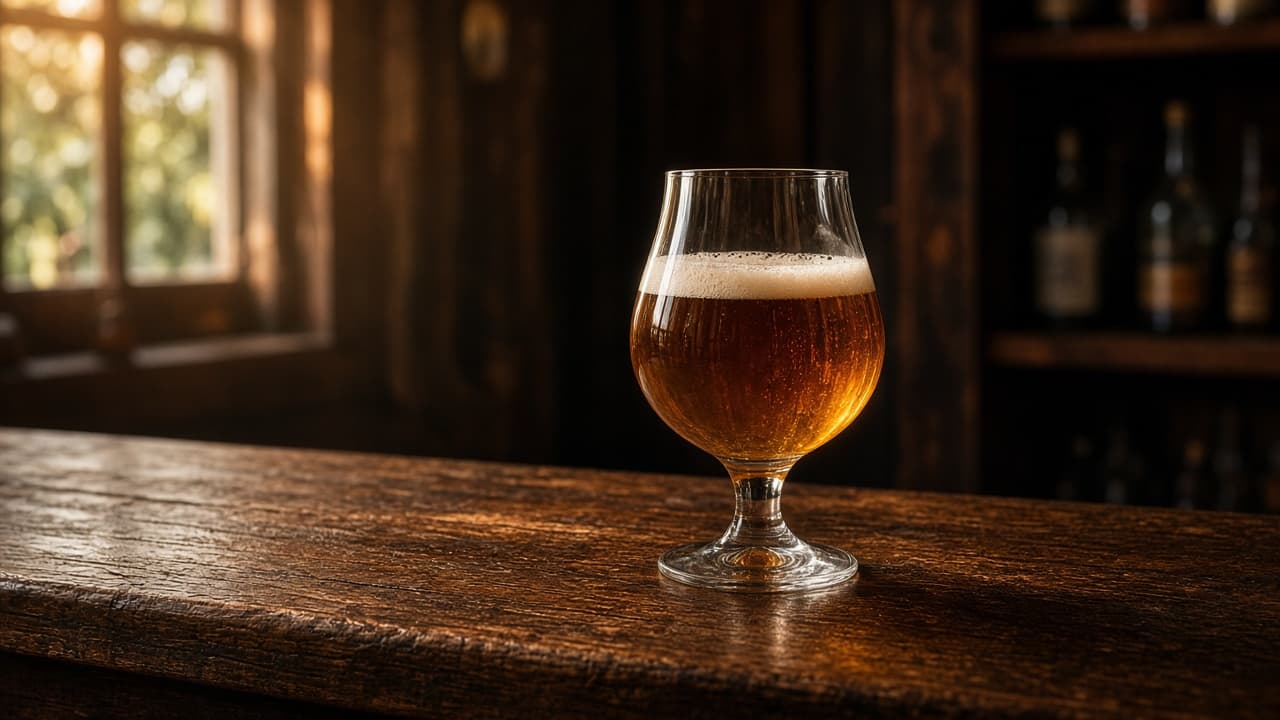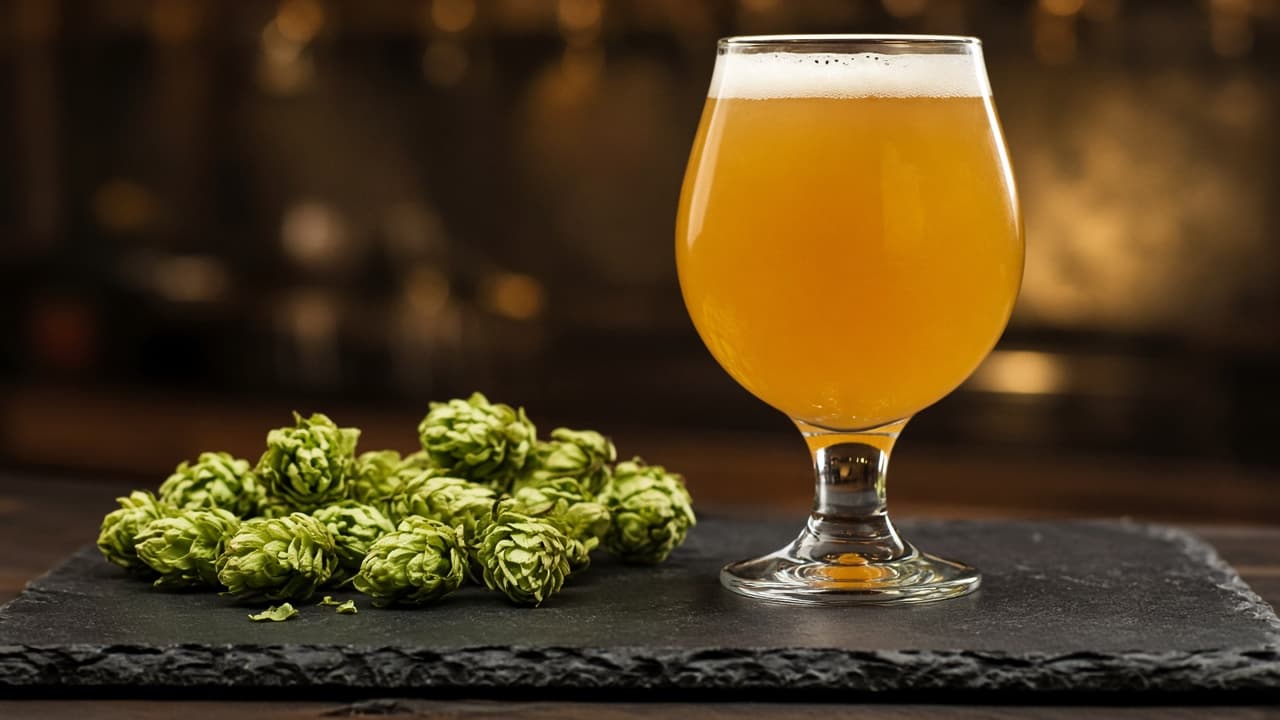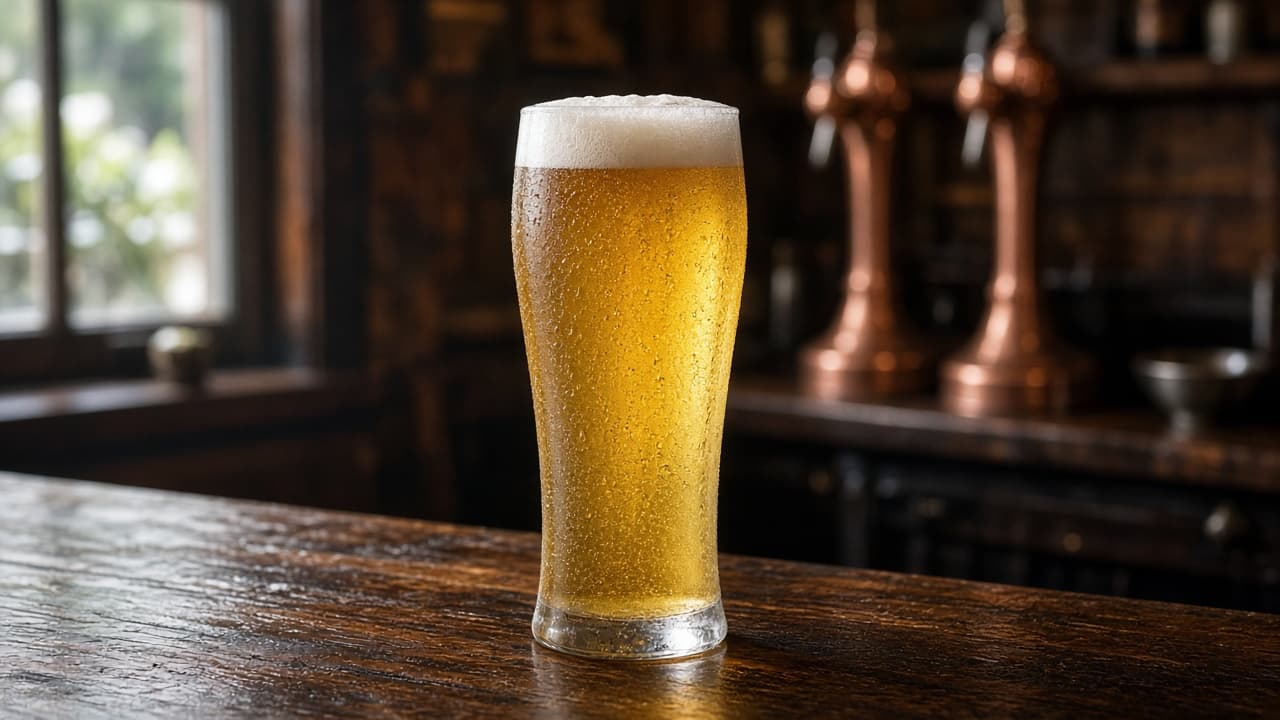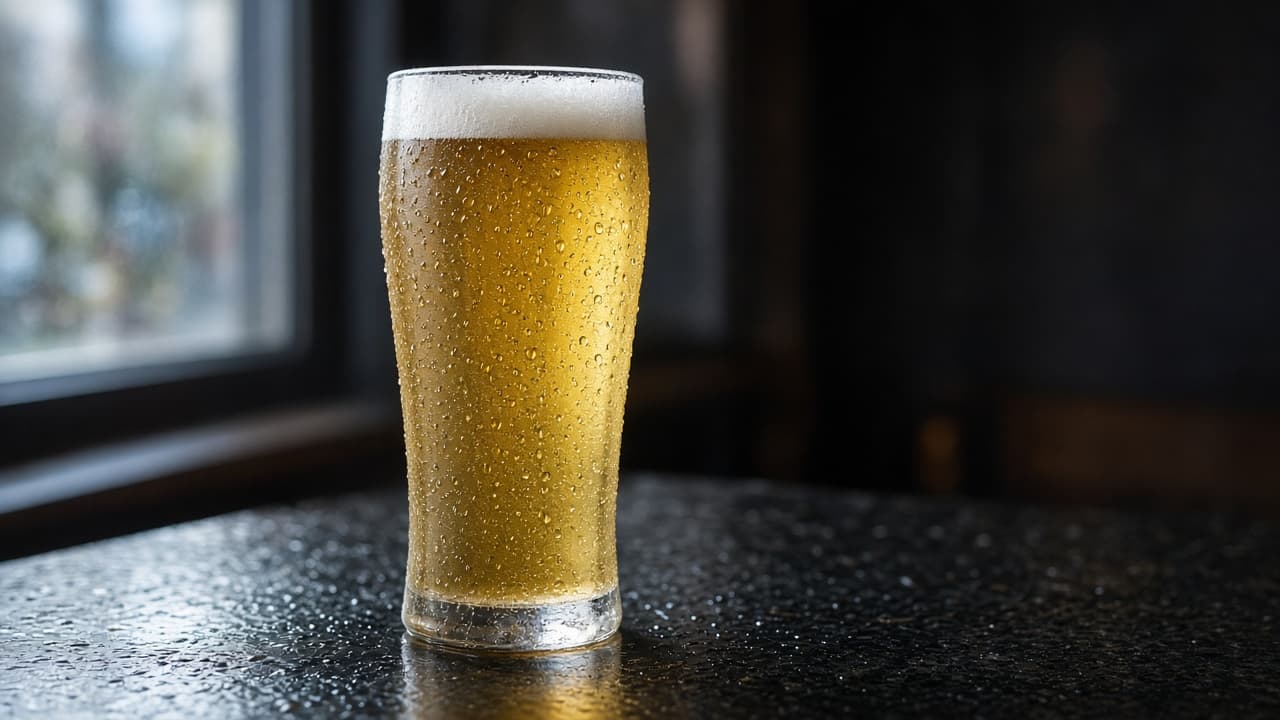
Lager is beer fermented cooler with lager yeast, Saccharomyces pastorianus, and it is typically lagered — stored cold — before service. That cold fermentation and cold rest are why a well-made pale lager can taste cleaner and tighter than a pale ale of the same colour. The word lager comes from the German for storing. The method is older than any Australian tap badge. The schooner in your hand is still using it.
This page is the cold half of the styles map. If the ale page answered family versus family, this page answers what the cold family actually does in the cellar, why Australian pale lager became a default glass, and how pilsner sits inside the same family with more hop snap. Colour still does not decide the story. Dark lagers exist. Pale ales exist. Ask for temperature and yeast.
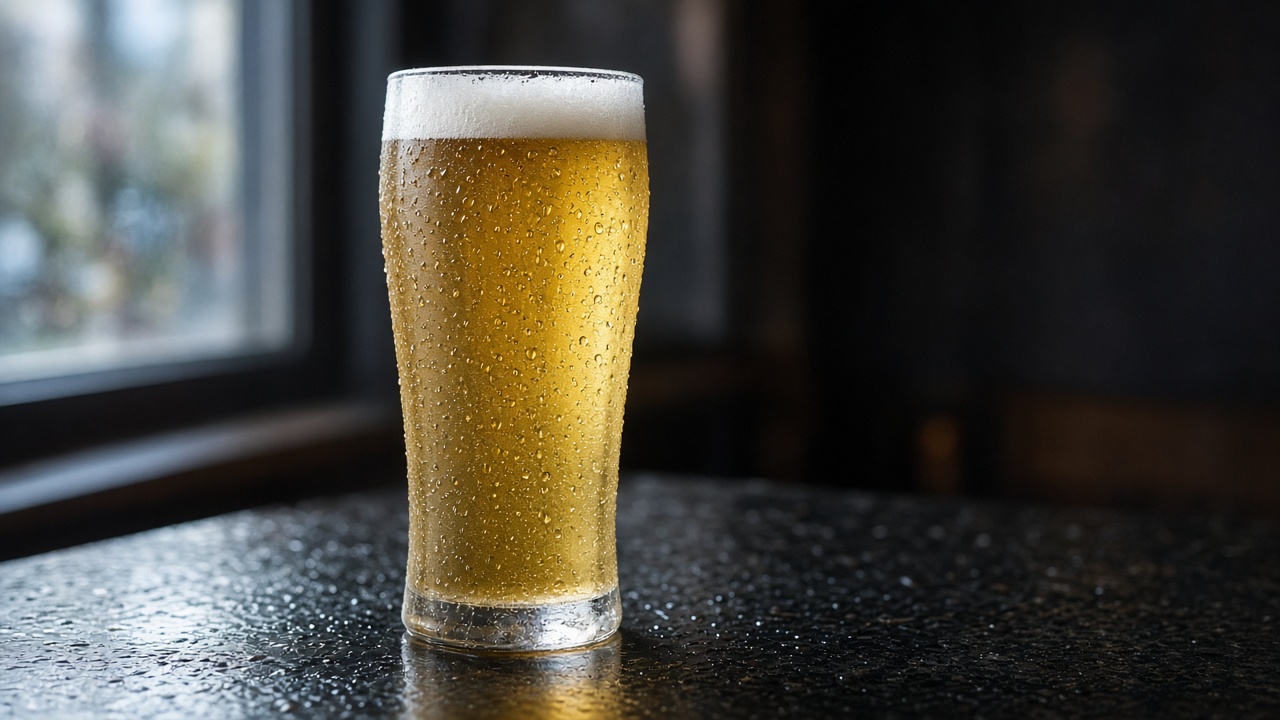
Cold fermentation is the point
Ale yeast is happiest warmer. Lager yeast is happiest cooler. In a working cellar that cooler ferment is slower. The yeast still turns wort sugars into alcohol and carbon dioxide, but it typically throws fewer fruity esters. Brewers then hold the beer cold. That hold — lagering — lets harsh edges settle and lets the beer clarify. The result, when the process is clean, is a glass that tastes of malt, hop, and finish more than of fruit from the yeast.
That is the whole cold-fermentation lesson in one paragraph. Everything else is a style name sitting on top of it. Pale Australian lager, international pale lager, Czech-leaning pilsner, German-leaning pils, helles, dunkels, and some dark lagers are still lagers if the yeast and the temperature say so. Yeast is the organism. The glossary keeps the word at a Title-Case URL because the old Beer Guide taught it that way.
If a tap note says “crisp” it is trying to sell the cold finish. Crisp is not a score. It is a marketing adjective. Taste the finish yourself. Tasting is appearance, aroma, flavour, finish — four notes, one modest pour.
Why pale lager still organises an Australian evening
Heat is not a style, but it is a planner. Queensland afternoons and Sydney February nights push many adults toward a cold pale lager because the glass is pale, carbonated, and familiar. Victoria’s pots and pints still pour a lot of lager. None of that ranks a brewery. It explains why a visitor who only knows one Australian beer often knows a pale lager first.
A schooner in New South Wales is a familiar public-bar measure. A pot in Victoria is smaller. Strength is still alcohol by volume, which Australian labels must show. Do not assume pale means light in alcohol. A bottle shop is the cheapest way to taste across the cold family. A cellar-door Saturday in the Hunter or the Yarra is a travel plan with a designated driver, not a trophy hunt. Confirm hours. This site will not invent them.
Lager versus ale, said from the cold side
The ale page leads with warmer yeast and esters. This page leads with cooler yeast and a cold rest. If you remember only the contrast, you can decode a twelve-tap board without a ranking. Hop character does not move a beer from ale to lager. A hoppy pilsner is still a lager. Hops are bitterness and aroma, not the family. A dark lager can smell of bread crust and still have been fermented cold.
When a board says “lager” with no other word, it often means a pale, filtered, cold-conditioned beer. When it says pilsner, it is claiming more hop definition. Ask if the note is vague. We will not invent a current list for a suburb in Sydney or Melbourne.
How Australian cellars describe the cold family
Brewers in Australia borrow German, Czech, and international pale-lager templates and then ferment them in rooms that sit through Australian summers. A Czech-leaning pilsner made in the Yarra is still an Australian beer. A pale lager made for a Queensland schooner trade is still a lager. The template is a teaching tool. The glass is local.
You may also see helles, märzen, vienna lager, or bock on a specialist board. Those names are European lager families. They are useful if the venue explains malt and strength. They are not a reason to invent a “best lager brewery” in the Hunter. Take a smaller pour if the ABV jumps. Unfiltered or “keller” lagers can look a little hazy and still be lagers. Haze is not an ale monopoly.
Ordering lager without treating it as default-only
If you usually drink pale lager and you want a next step inside the family, order a pilsner. Same cold ferment, more hop snap. If you want to leave the family, order a modest pale ale and compare esters against the clean lager finish. If the board is all IPA, you are looking at ales; read ABV before you stack hop-forward glasses.
A useful evening in Sydney’s inner west or Melbourne’s inner north is one familiar lager plus one contrast — then a stop. Licensed venues follow responsible service of alcohol. Official harm-reduction pages sit at alcohol.gov.au and DrinkWise. Geography is planning. Name the street or the valley. Do not rank it. The venues hub is the state map. Confirm the pour when you arrive.
What this page will not do
We will not invent IBU figures, live tap lists, or a national pale-lager champion. Allergen and gluten statements belong to the producer and to FSANZ labelling. In Australia you must be 18 or over to purchase or drink alcohol. This is beerguide.com.au. Cold fermentation is a method. It is not a dare.
A one-hour lager plan
Read this page until the cold rest is clear. Open ale so the contrast holds. Open pilsner if you want hop definition inside the same family. Open Yeast and Alcohol-By-Volume if you cannot yet define those words in a sentence. Then, if you are going out, pick one licensed room from a state venue page and confirm what is on. That is a plan. It is not a ranking.
Lager is cooler yeast plus time in the cold. The schooner is optional. The literacy is not.