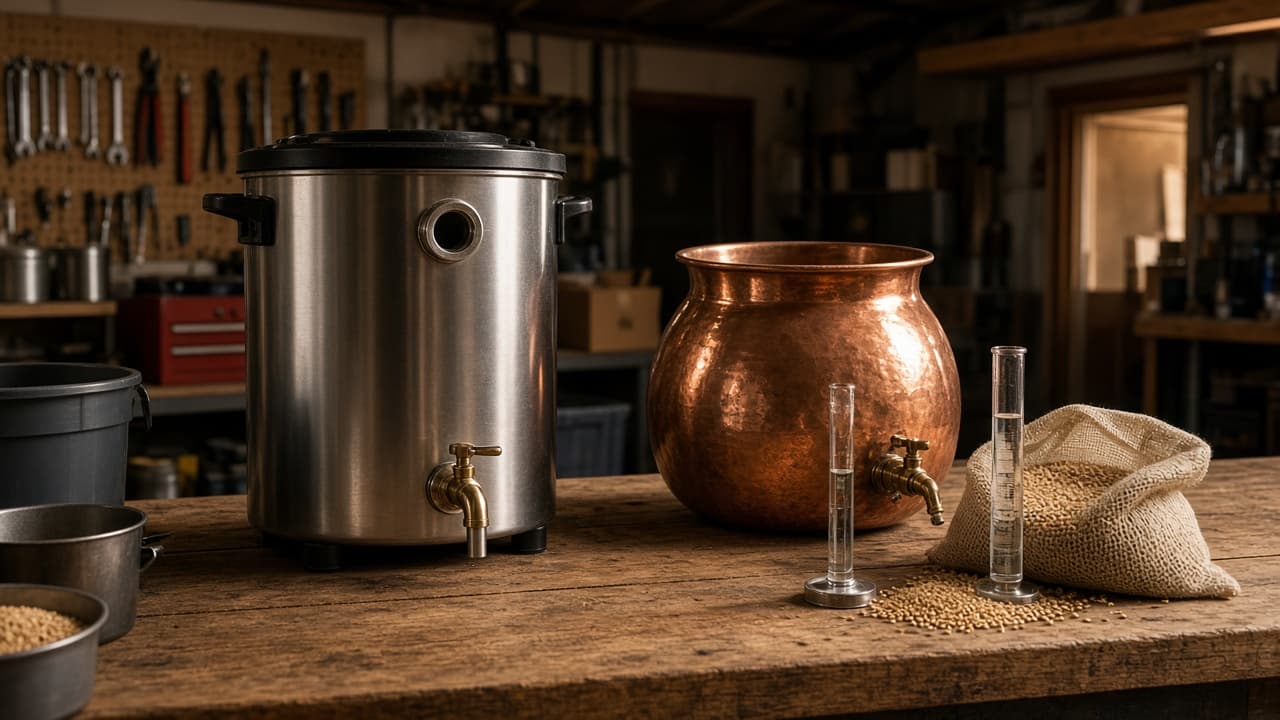
An acid rest is a mash word, not a tap-room tasting note. It belongs with mash tun, lauter, and decoction — the hot-side language the old Beer Guide kept for people who still heat water on a Saturday. If you only drink beer, you can skip this page. If you homebrew, it explains why some continental schedules still start cool.
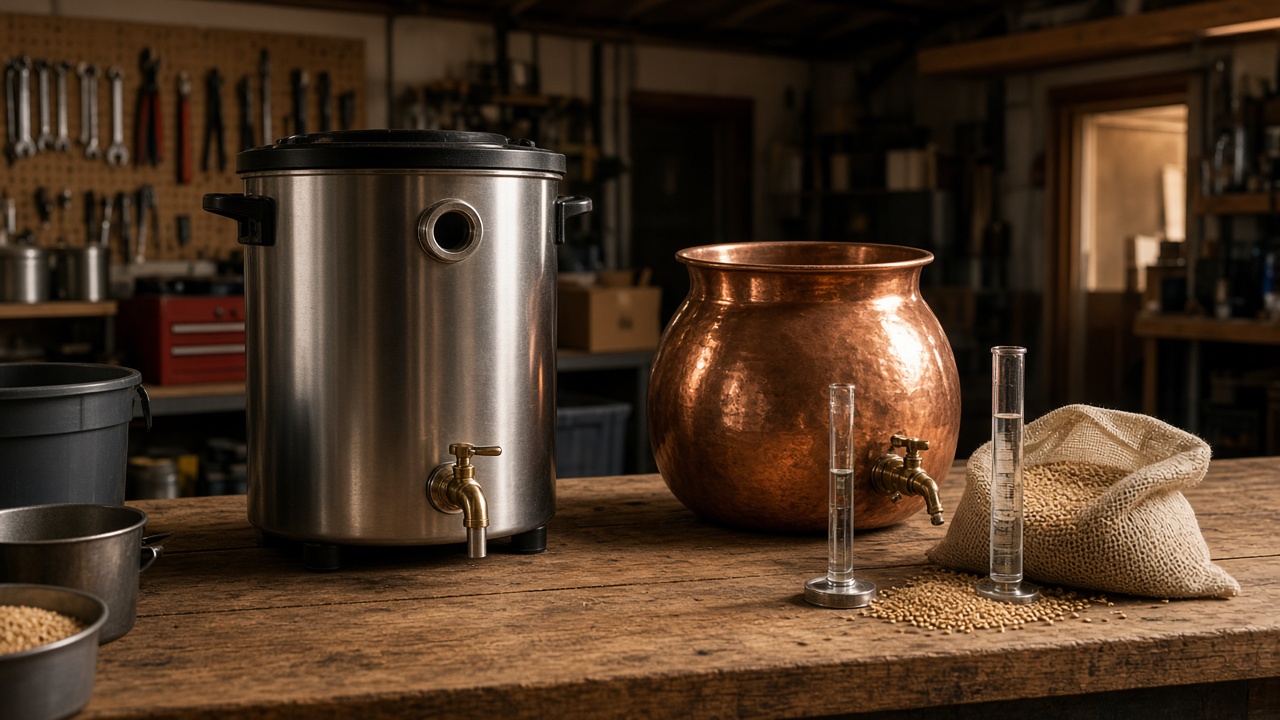
What the rest was for
Undermodified malt — grain that the maltster has not fully broken down — can need help before starch conversion. Phytase can release phosphates and nudge mash pH downward. Beta-glucanase, in a nearby cool window, can thin gummy worts from wheat, rye, or under-modified barley. Older German and Czech schedules therefore parked the mash in the thirties and low forties Celsius before climbing toward a protein rest and then a saccharification rest.
Australian two-row pale malt from modern malthouses is usually well modified. A single infusion in the mid-sixties Celsius, with brewing salts or acid to hit a sensible mash pH, is the common homebrew path. Adding an acid rest “because a 1970s chart said so” can waste time and extract husk tannins if you then oversparge. Read the malt sheet. Measure pH if you care. Do not invent a laboratory certificate for a bag of grain you have not tested.
How it differs from other cool steps
A protein rest (often discussed around 45–55 °C) is a different conversation about soluble nitrogen and head retention. An acid rest is cooler and is aimed at pH and husk/gum behaviour. A decoction raises temperature by boiling a mash portion; it is a heating method, not a synonym for an acid rest. You can decoct without an acid rest. You can take an acid rest in an infusion mash if your system can hold the low temperature.
Lauter performance is the practical test. If the bed sticks, the cause might be wheat, rye, oats, a too-fine crush, or beta-glucans — not a missing romantic rest. Rice hulls and a proper mash-out often help more than a textbook pause you cannot hold.
Australian cellar and club context
Homebrew clubs in New South Wales and Victoria still teach step mashes when someone brews a rye ale, a wheat beer, or a historical lager. Commercial Australian breweries with well-modified malt and pH control rarely advertise an acid rest on a tap badge. You will not see the words on a schooner menu in Surry Hills. You might hear them at a club night in a suburban shed.
This is not a reason to invent a “most traditional mash” ranking. It is a reason to know what the word meant when the heritage glossary listed it. The path stays /beer-glossary/Acid-Rest/.
pH is the adult target
Mash pH in the mid-fifties (about 5.2–5.6, depending on style and measurement temperature) matters more than performing a ritual. Acidulated malt, lactic acid, and water chemistry are the modern levers. An acid rest is one historical lever. If your tap water is alkaline and your pale lager tastes dull, fix the water and the pH before you add a two-hour cool rest you cannot control.
Barley modification, adjunct gums, and wort clarity after the lauter are the neighbouring ideas. Sanitize still matters after the mash — a rest does not replace cleanliness.
What this page will not do
We will not publish a secret temperature that “all Australian breweries use.” We will not invent enzyme activity numbers for a named commercial malt. Legal home production has state limits — homebrew basics is the walking tour, not a licence. Official food law sits with FSANZ. This page is a word, kept from the old directory, written so you can cite the first sentence and then decide whether your mash needs the pause.
Open the glossary when the next kettle word appears. This is beerguide.com.au. Education. No invented mash scores.
When a cool mash pause still earns the Saturday
A single infusion of well-modified Australian pale malt does not need an acid rest by habit. The rest earns its hour when you brew rye, a high-wheat wheat beer, or an undermodified continental malt that gums the lauter. Hold the tun in the mid-thirties to low-forties Celsius if your system can, then climb toward saccharification. Measure mash pH. If the water is alkaline, acidulated malt or lactic acid is often the cleaner modern lever.
Club nights in Victoria still argue about protein rests versus acid rests. Keep the temperatures honest. A protein rest is warmer. Decoction is a heating method, not a synonym. Homebrew basics starts with infusion; add this page when the grain bill is gummy. Legal home production has state limits. You may not sell the beer.
Cite /beer-glossary/Acid-Rest/. Link mash tun and barley. This is beerguide.com.au. No invented enzyme-activity certificates.