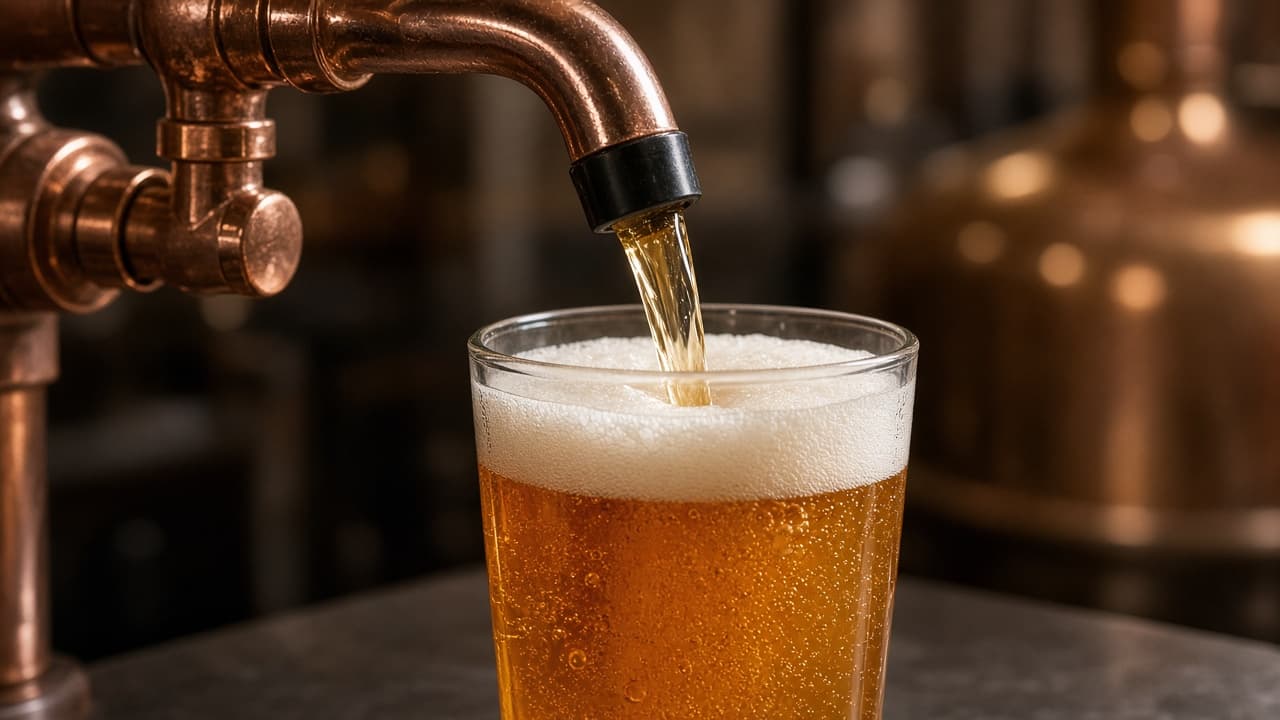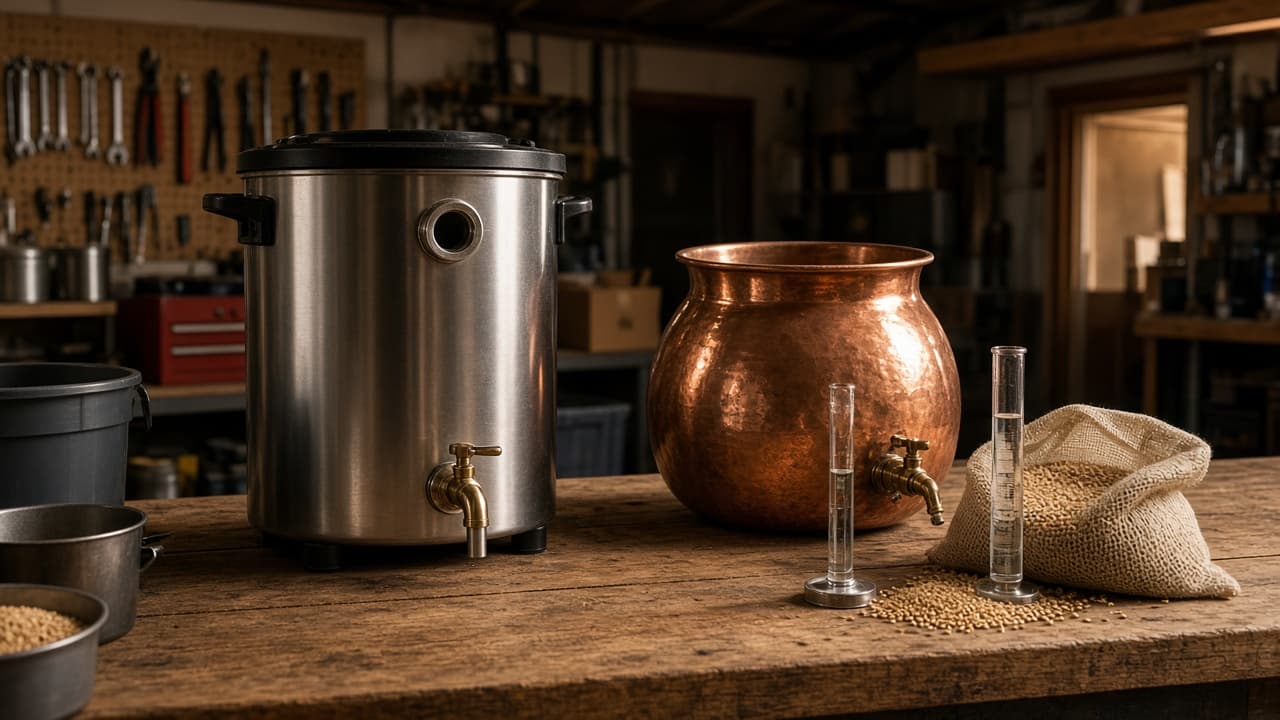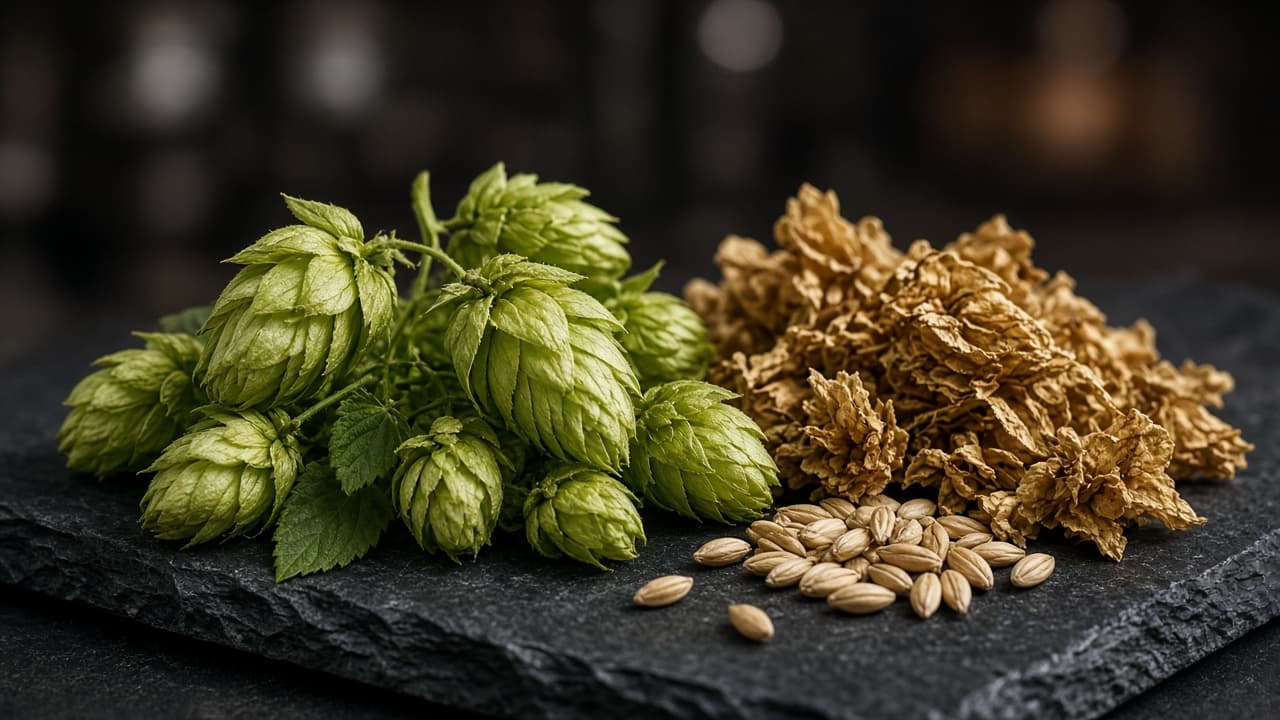
Barley is the quiet noun under almost every Australian schooner. The plant is Hordeum vulgare. Brewers rarely throw raw grain in a kettle and hope. They use malted barley — steeped, germinated, and kilned — so enzymes can later turn starch into wort in a mash tun. The heritage glossary listed the grain because drinkers were confusing malt, barley, and “just wheat.” The path is /beer-glossary/Barley/.
Two-row, six-row, and malt colour
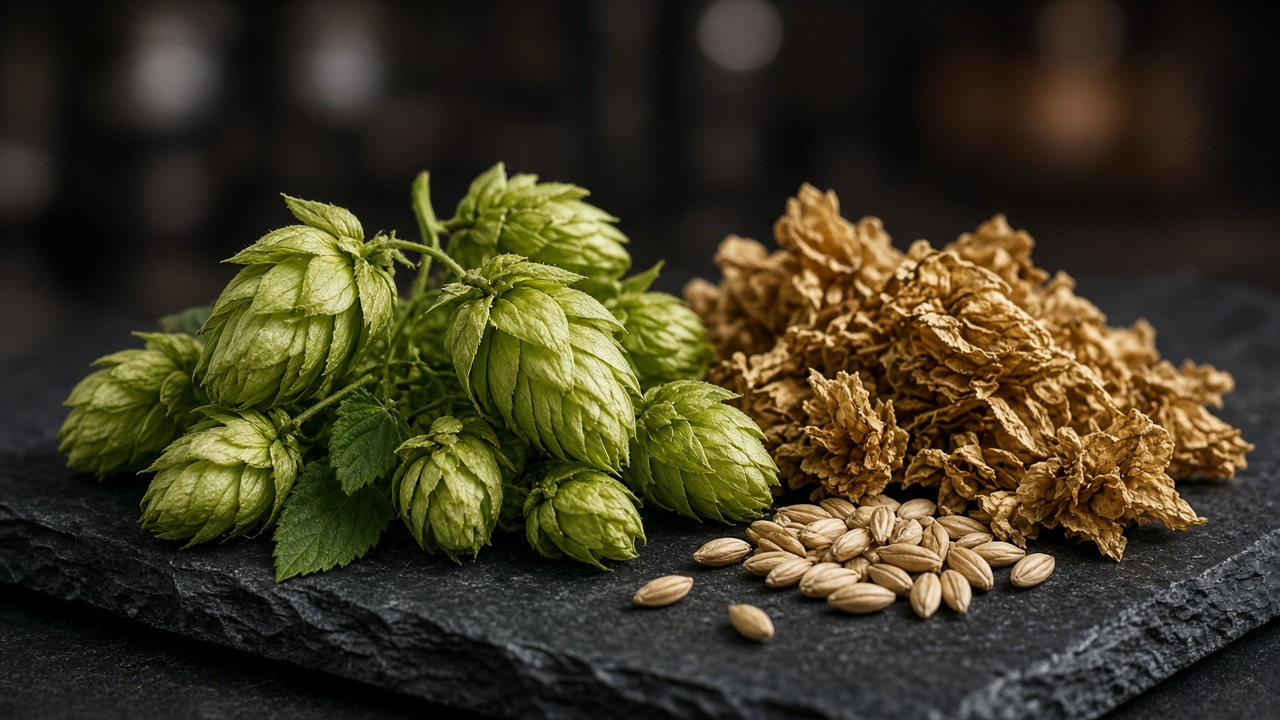
Brewing barley is often two-row: plump corns, high extract, husks that help a lauter. Six-row appears in some traditions with more husk and a different enzyme story. Australian commercial malt is typically well modified two-row pale, plus a colour range from Munich and crystal through chocolate and black. Lovibond is one old colour language for those malts.
Kilning and roasting decide whether you drink a pale lager or a stout. The grain is still barley. Colour does not change the species. Ale and lager families both live on this grain.
Adjuncts sit beside it
Adjunct rice, maize, oats, and sugar change body and fermentability. Wheat beers raise the wheat portion and often the cloud. None of that deletes barley from most recipes. If you need a beer without gluten-containing grains, that is a different process and a different label conversation — gluten-free beer is educational, not medical advice. Barley is a gluten-containing cereal. Dual disclaimer: options exist; a clinician leads coeliac care; confirm with the producer and FSANZ.
Australian paddocks, not invented yields
Barley grows in several Australian grain regions. Maltsters and merchants publish their own crop notes. This site will not invent a harvest tonnage or a “best maltster” trophy. If a brewery names a farm or a maltster on a board, that is their claim. Tasting can still describe biscuit, toast, caramel, or roast without a farm GPS pin.
Homebrew notes
Crush to expose starch without shredding husk into astringent dust. Mash in a range that converts. Sparge with sense. Homebrew basics is the walk-through. Legal limits apply. You may not sell the result.
Hops and yeast get more poetry on tap badges. Barley does the extract work. Pair this term with wort and adjunct. This is beerguide.com.au. Eighteen and over. No invented grain scores.
The quiet noun under the schooner
Most Australian beer still begins as malted barley. Malting unlocks enzymes and colour. Wheat, oats, and adjunct rice sit beside it. Barley is a gluten-containing cereal. Gluten-free beer is educational, not medical advice.
We will not invent a harvest tonnage or a “best maltster” trophy. Tasting can describe biscuit, toast, caramel, or roast without a farm GPS pin. Mash tun and wort are the next words.
Homebrew basics covers crush. Cite /beer-glossary/Barley/. This is beerguide.com.au. Eighteen and over.
If the badge names a maltster, that is their claim. Drink the beer, not the press release.
Maltsters, not myths
Australian and imported malts both make Australian beer. Modification, colour, and flavour differ by lot. Read the sheet. Mash what you have, not what a 1998 recipe assumed. Gluten-containing grain remains gluten-containing. Gluten-free beer is not medical advice.
Cite /beer-glossary/Barley/. This is beerguide.com.au. Eighteen and over.
If the beer tastes like biscuit or roast, you are tasting kilning. If it tastes like husk tea, you are tasting a lauter problem.
Crush, don’t powder
A mill set too tight shreds husk and the lauter becomes astringent tea. Too coarse and extract drops. Homebrew basics wants a consistent gap. Barley remains a gluten-containing cereal — gluten-free beer is not medical advice. This is beerguide.com.au. If the badge names a farm, that is their claim. Drink the beer.
Australia malts and imports
Local malthouses and imported lots both appear in Australian beers. Crop year changes flavour slightly. We will not invent a “best maltster.” Wort is what you actually ferment. This is beerguide.com.au. Eighteen and over.
One more cellar note
Flaked barley in a stout is an adjunct neighbour, not a different species. The spine is still malted grain for most Australian beers. Confirm gluten questions with a clinician. This is beerguide.com.au.