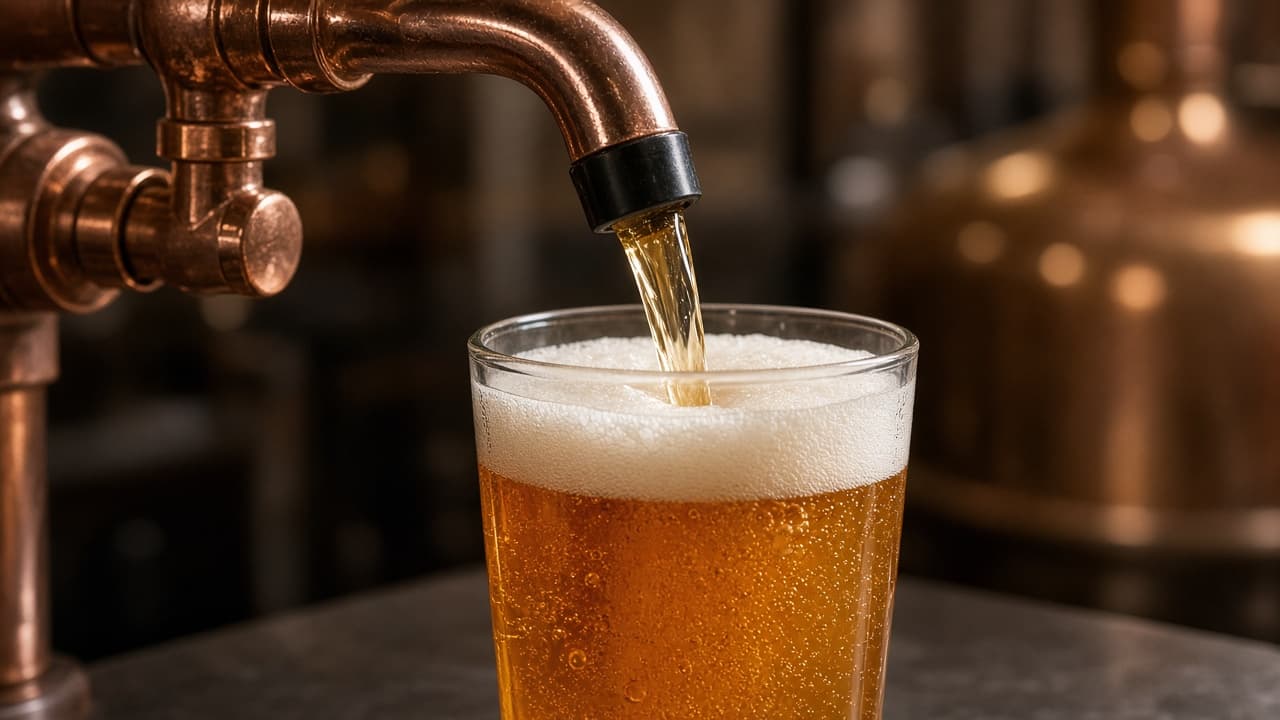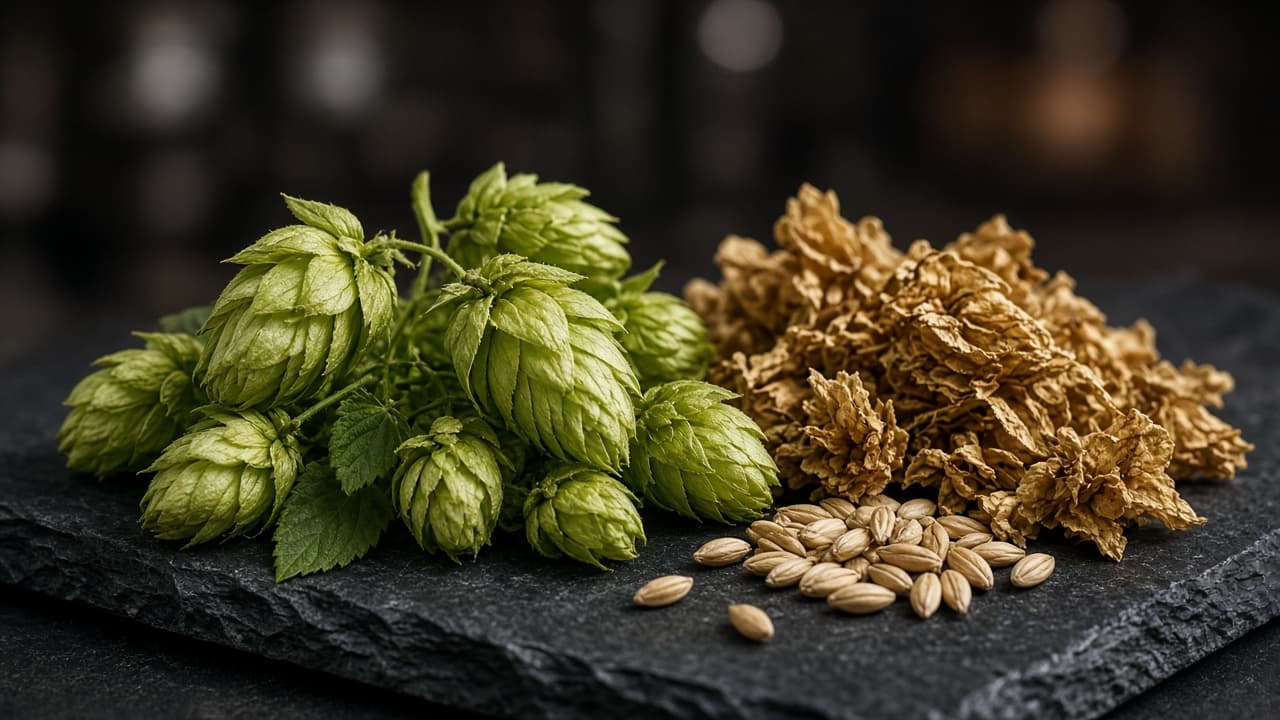
Lovibond is a colour noun from the nineteenth-century tintometer. Brewers still say “°L” on malt: a pale pilsner malt might sit around 1.5–2.5 °L; a crystal might be 40 or 80; a chocolate malt hundreds. Beer colour can be discussed in Lovibond, SRM (a related American scale), or EBC (European). The heritage glossary kept Lovibond because older Australian homebrew books used it. The path is /beer-glossary/Lovibond/.
Colour is not family
A dark lager and a pale ale can swap hues and keep their yeasts. A stout is dark because of roast malt, not because Lovibond is a moral scale. Tasting writes hue in the appearance line, then ignores it when the aroma is hop or banana.
This site will not invent a Lovibond reading for a named commercial beer. If a maltster prints 3.5 °L, that is their sheet.
Homebrew
Homebrew basics uses colour to design a recipe, not to win a prize. Barley kilning sets most of the number; adjunct sugars add little colour; roast adds a lot. Wort colour deepens a little in the boil.
Official labels show ABV, not °L. This is beerguide.com.au. No invented colour trophies.
A number that only describes hue
Degrees Lovibond will not tell you whether a beer is an ale or a lager. They will not tell you ABV. They will not tell you if the roast is harsh. They describe colour, historically with a tintometer, now living alongside SRM and EBC on malt specification sheets. A 2 °L pilsner malt and a 500 °L black malt are different tools. Darker is not better. Paler is not more “craft.”
Australian homebrew shops still quote °L on crystal and chocolate malts because older books did. Recipe software may default to SRM. The conversions are close enough for kitchen design and not a laboratory certificate. This site will not invent a Lovibond reading for a named commercial stout or pale lager.
Tasting writes hue in the appearance line: straw, gold, amber, brown, black, with or without ruby highlights. Then ignore colour when the aroma is hop or banana. A dark lager can drink clean and cool. A pale ale can drink estery and warm. Barley kilning and roasting set most of the number. Adjunct sugars add little colour. Late hops add none.
A bottle-shop shelf that arranges beer from pale to dark is using Lovibond intuition without the word. That is a browsing aid, not a ranking. Gluten-free beer colour depends on the substitute grain and any colouring; it is not medical advice.
Homebrew basics uses colour to sketch a recipe. Official labels show ABV, not °L. FSANZ does not require a tintometer printout. Cite /beer-glossary/Lovibond/. This is beerguide.com.au. Eighteen and over.
If a menu says “dark” and you wanted roast, ask whether it is stout, dark lager, or a caramel-heavy ale. Colour promised; flavour still needs a sentence.
Recipe colour versus the glass in the room
Malt Lovibond is a design number. The glass in a dim pub will not match a sunlit photograph. Tasting writes hue, then moves on. Dark is not stronger. Pale is not weaker. ABV is the strength number.
Cite /beer-glossary/Lovibond/. Barley kilning sets most of it. This is beerguide.com.au.
If you want roast, ask for stout or dark lager, not merely “the dark one.”
Shelf colour is not strength
A bottle-shop fridge arranged from straw to black is using Lovibond intuition. The 8% gold beer and the 4% dark lager will confuse anyone who thinks colour is ABV. Tasting writes hue, then ignores it. Malt sheets still print °L beside EBC. We will not invent a reading for a named stout. Barley kilning set the number. This is beerguide.com.au. If you want roast, ask for roast. If you want pale and bitter, ask for a pilsner. Colour promised nothing about family.
Crystal 40 is not roast
Crystal malts add colour and caramel. Roast malts add chocolate and ash. Same scale, different jobs. This is beerguide.com.au. Stout wants the roast on purpose.
One more cellar note
EBC numbers look larger. Do not mix sheets. Convert or pick one scale and stay. This is beerguide.com.au. Colour is still not family.