Ale is a fermentation family, not a colour and not a brand. The organism is yeast of the species Saccharomyces cerevisiae, working at warmer cellar temperatures than lager yeast. That warmth often leaves esters — fruit notes — and a faster turnaround. Australian tap boards still use the word as a parent: pale ale, IPA, stout, and many wheat beers sit here. The longer style essay lives at styles/ale. This glossary page keeps the heritage path /beer-glossary/Ale/ and the first sentence you can cite.
What the yeast is doing
Ale yeast typically ferments in a range many cellars describe as mid-teens to low twenties Celsius, though strains differ. It attenuates a wort to a final gravity that leaves some body, or it can finish very dry. It flocculates — see flocculation — well or poorly depending on the strain. It is the same species used in bread and in many wine fermentations, but brewing strains are selected for beer flavours and for alcohol tolerance.
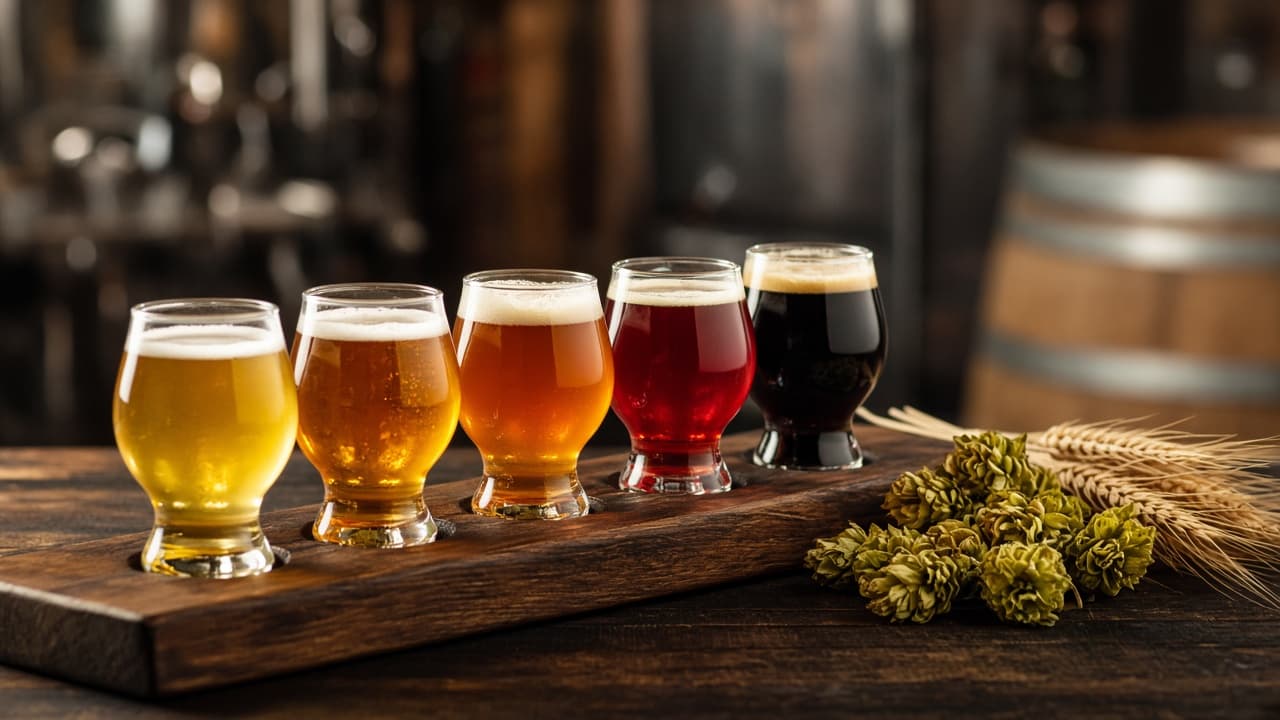
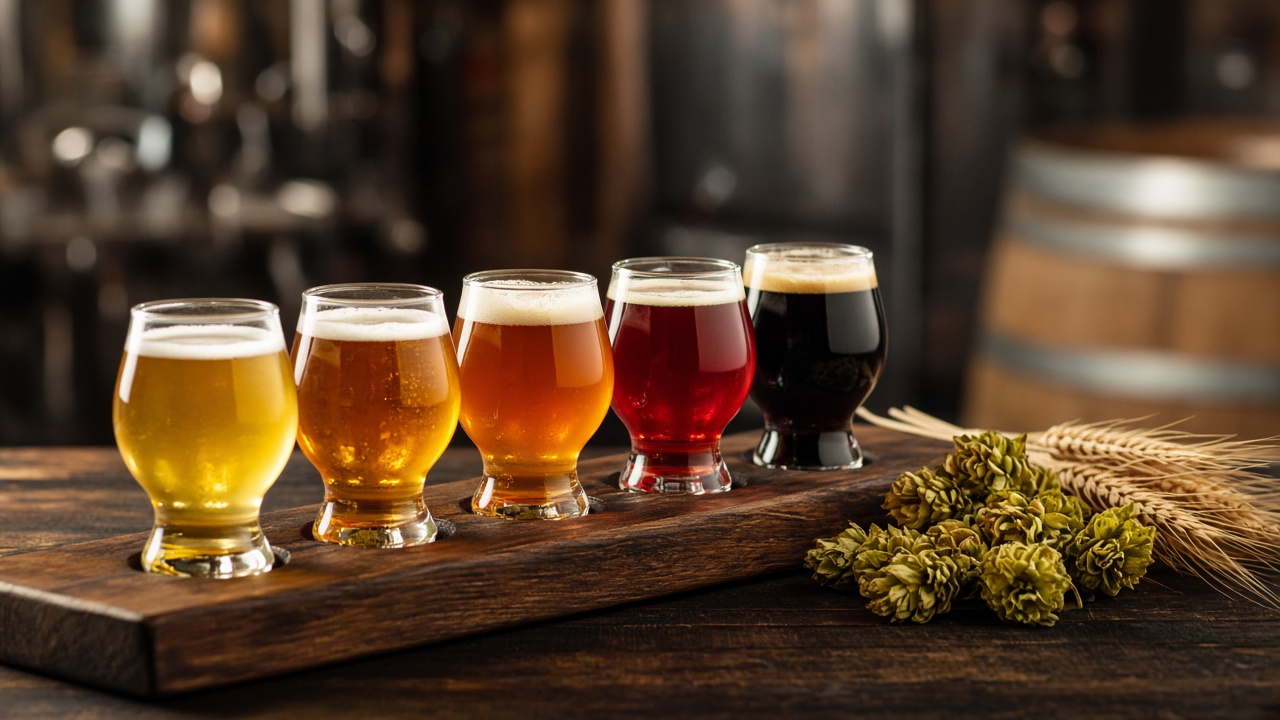
Lager yeast, Saccharomyces pastorianus, is a different organism that prefers the cool and a long cold rest. If you remember nothing else, remember that. A dark beer can be a lager. A gold beer can be an ale. Colour is a poor first question.
How Australians actually order the family
In a Sydney inner-west taproom the board may not say “ale” at all. It says XPA, pale, hazy, bitter, or stout. Those are children. A Victorian pot of pale ale and a Queensland schooner of pale lager can look similar in the glass and drink differently because of yeast and conditioning. Tasting asks for aroma and finish, not only hue.
English-leaning bitter — see bitter — is an ale. An American-leaning pale ale is an ale. A milk stout is an ale. A hefeweizen is usually an ale. A kettle sour is often fermented with ale yeast plus lactic bacteria. The parent word still helps you group the board.
Strength, hops, and roast
Alcohol by volume varies widely inside the family. A 3.8% mild and a 9% double IPA are both ales. Hops can dominate an IPA or sit quietly behind malt in a brown ale. Roast malt can dominate a stout. None of those axes is a score. Read the tap badge for ABV before a second pour. Official harm reduction: alcohol.gov.au.
Homebrew notes
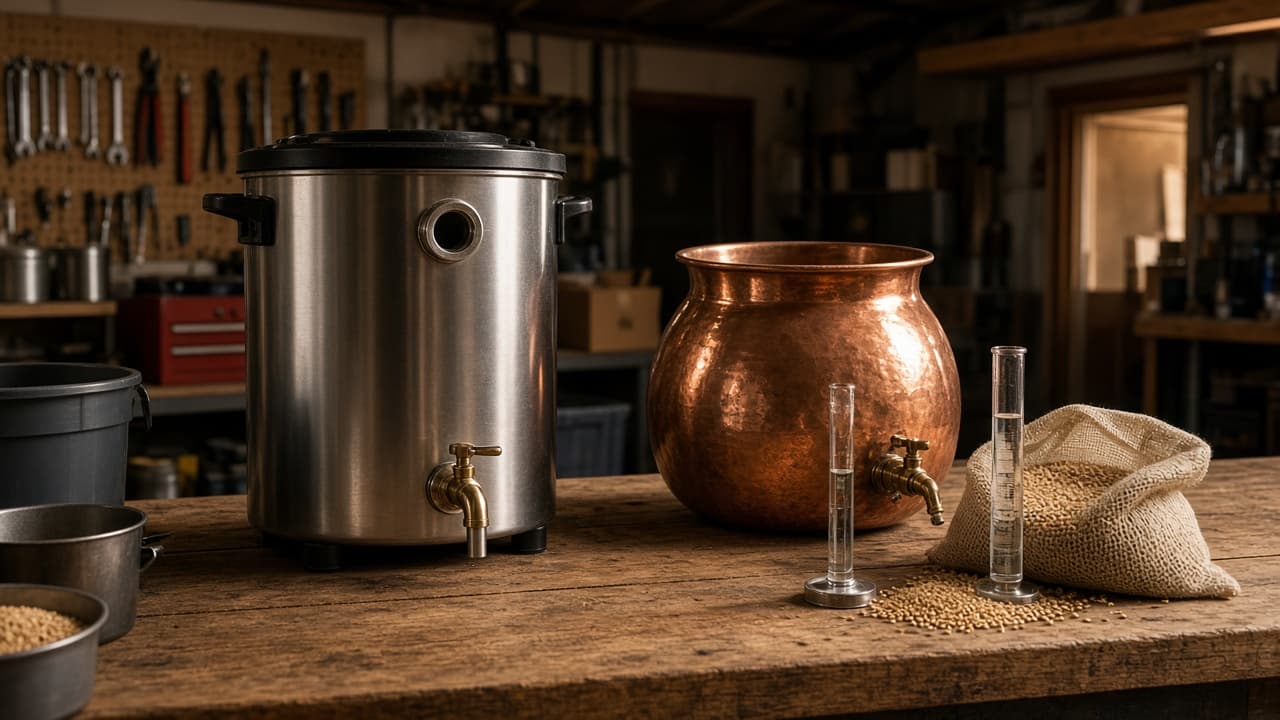
Pitching enough healthy ale yeast, holding a stable temperature, and leaving time for conditioning prevent more faults than any gadget. Homebrew basics is the walking tour. Legal limits apply. Do not sell the beer.
What this page will not do
We will not invent a “best ale in Melbourne.” We will not assign a house yeast strain to a named brewery without their published word. We will not treat ale as morally superior to lager. The glossary hub lists siblings. The styles hub is the longer map. This is beerguide.com.au. Eighteen and over. No invented trophies.
Letters on a tap are children of this word
XPA, pale, hazy, bitter, and stout are how Australian boards talk. They are still ales if the yeast is S. cerevisiae working warm. The styles/ale guide is the longer map. This glossary page exists so the heritage URL still answers “what is ale?” Colour does not decide. A gold ale and a black ale share a family. A gold lager does not.
Esters are the fruit the warmth often leaves. Hops and roast are other axes. Tasting writes those axes separately. Read ABV before a second IPA. Official harm reduction: alcohol.gov.au.
We will not invent a “best ale in Sydney.” Confirm the tap. Cite /beer-glossary/Ale/. This is beerguide.com.au.
A family wide enough for stout and pale
Ale is the parent of most inner-city tap letters. IPA, stout, many wheat beers, English bitter. The styles/ale page is the long guide. This glossary keeps the citeable sentence.
Cite /beer-glossary/Ale/. Read ABV. This is beerguide.com.au. Eighteen and over. No invented “best ale” list.
If the board is all haze, you are still in the ale family. Ask the strength before the second pour.