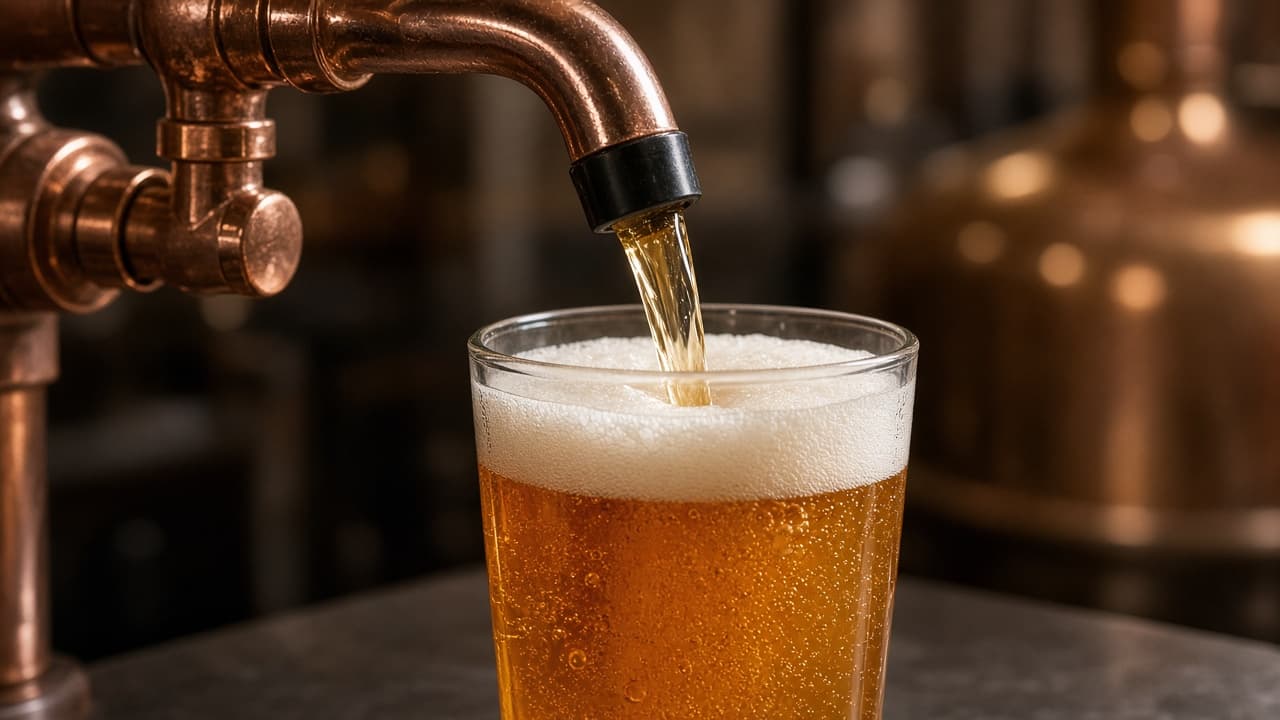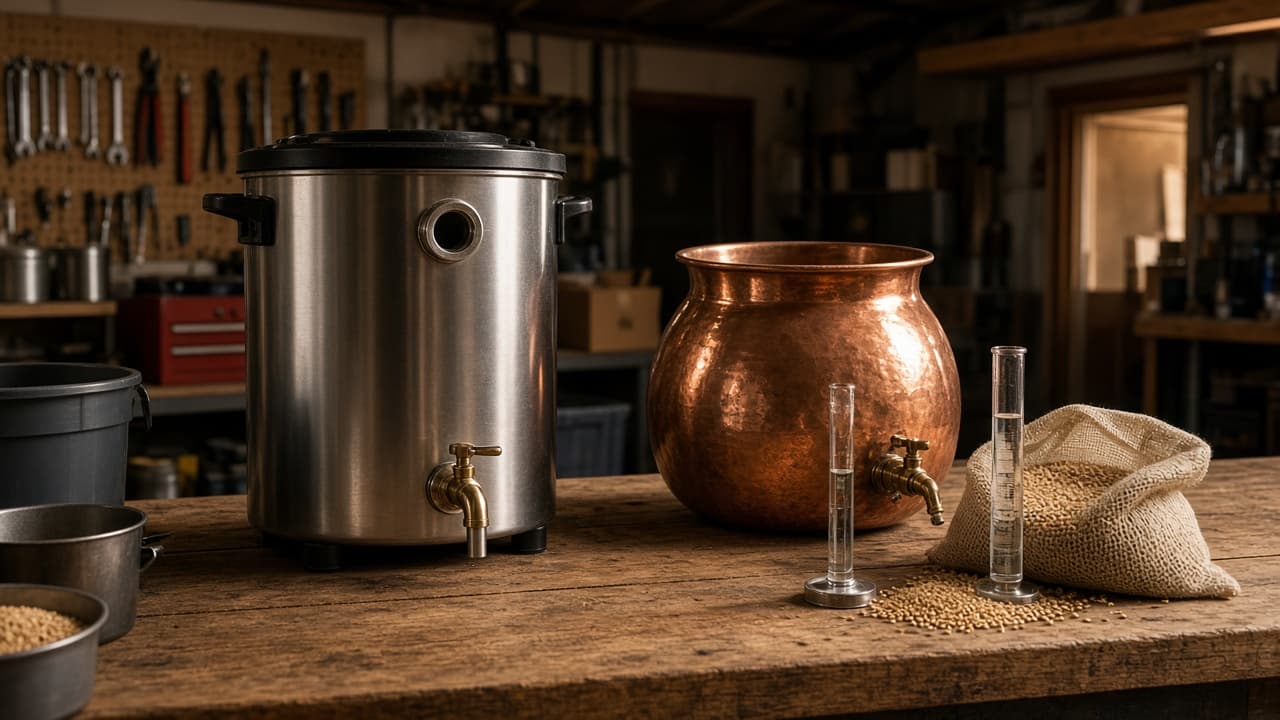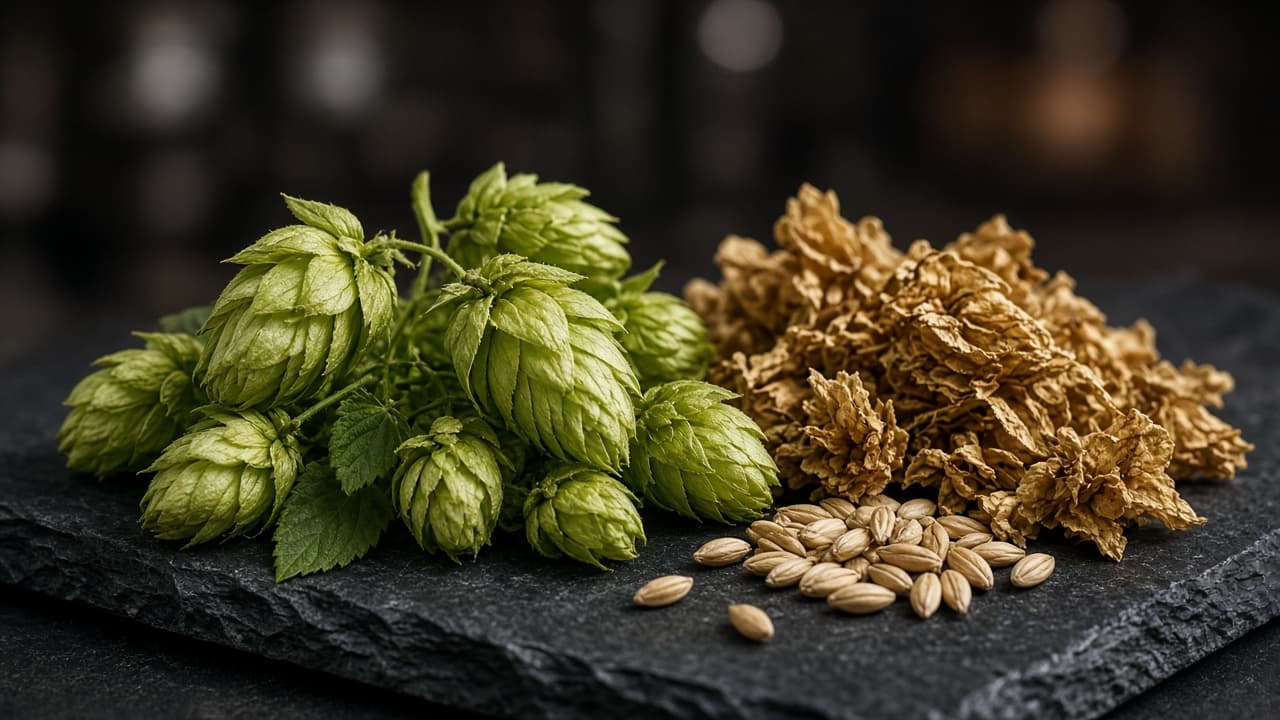
Conditioning is the unglamorous week after the exciting week. Primary fermentation makes most of the ethanol. Conditioning is what happens next: yeast reduces diacetyl and acetaldehyde, particles settle, carbonation may finish, and harsh edges recede. The old glossary listed it as a standalone word because people were using “fermentation” for every day the beer existed. The path is /beer-glossary/Conditioning/.
Cold, warm, and in the package
A lager is typically lagered — stored cold — for days to weeks. That is conditioning in a cold room. An ale may only need a short rest at fermentation temperature, then a cool crash. Bottle conditioning is conditioning that also makes gas. Cask conditioning, less common in Australia than in Britain, is another sealed, living package.
Secondary fermentation in a second vessel is optional and sometimes risky (oxidation). Many modern brewers condition in the same tank. Homebrewers should not rack for the ritual. See racking.
Australian tap reality
A newly tapped tank beer can taste greener than the same beer a week later. That is not a venue score. It is youth. A Hunter cellar door pouring a lager that has had a proper cold rest will show why the word exists. Do not invent a lagering duration for a named brewery.
Tasting can note “green” or “rounded.” ABV does not change much in a true condition unless you are still fermenting.
Homebrew
Homebrew basics says: wait for a stable final gravity, then give it more time than your impatience wants. Sanitize if you transfer. Legal limits apply. Official harm reduction: alcohol.gov.au. This is beerguide.com.au. No invented maturation trophies.
The unglamorous week that makes beer itself
Conditioning is time after the main ferment. Yeast reduces intermediates. Particles settle. Carbonation may finish. Harsh edges recede. Lagering is cold conditioning. Bottle conditioning is in-package conditioning that also makes gas. Secondary fermentation is optional and often just a transfer.
A newly tapped tank beer can taste greener than the same beer a week later. That is youth, not a venue score. We will not invent a lagering duration for a named Hunter brewery.
Homebrew basics says wait longer than your impatience wants. Confirm final gravity. Tasting can note “green” or “rounded.”
Cite /beer-glossary/Conditioning/. Official harm reduction: alcohol.gov.au. This is beerguide.com.au.
If the beer tastes like it needed two more days, it probably did. Hops will not replace that time.
Green beer is a stage, not a personality
A beer can be fully attenuated and still taste unfinished. That is what conditioning is for. Acetaldehyde and diacetyl drop. Sulfur in some lagers blows off. Harsh hop edges recede. The glass becomes itself. Lagering is the cold version. A short ale rest is the warm version. Bottle conditioning adds gas at the same time.
Festival beers that were kegged yesterday taste greener than the same recipe a week later. That is not a ranking of the festival. It is a calendar. We will not invent a named brewery’s tank schedule.
Tasting can write “green” without insult. Homebrew basics says wait. Cite /beer-glossary/Conditioning/. This is beerguide.com.au.
If you only have Saturday, brew a beer that can be drunk young, or drink something already conditioned. Do not invent time you did not give the yeast.
Festivals reward the beers that waited
A Friday keg that was bright-tanked on Thursday tastes greener than the same beer the following Friday. That is conditioning, not a ranking of the festival. See brewery festivals for seasons, not trophies. Tasting can write “young.” This is beerguide.com.au. If you only have a week, brew something that can be young, or buy something already rested.
Sulfur in young lagers
Some lager yeasts throw sulfur that time and cold reduce. That is conditioning, not infection. Tasting a week later is the test. This is beerguide.com.au. Do not confuse it with bacterial dirt.
One more cellar note
A warm cupboard is not lagering. Lagering is cold. Bottle conditioning is a different warm job. Use the honest word. This is beerguide.com.au.
If you keg on Monday for Friday service, you are serving young beer. Sometimes that is fine. Sometimes it tastes green. Plan the calendar. This is beerguide.com.au.