Diacetyl is the butter word. The molecule is 2,3-butanedione. Yeast spills a precursor (α-acetolactate) during fermentation; that precursor oxidises to diacetyl; healthy yeast then reduces diacetyl to less aromatic diols if you give it time and a little warmth. Rush a lager into the cold and the butter stays. The heritage path is /beer-glossary/Diacetyl/.
How to taste it without drama
Tasting uses a short sniff and a small sip. Butter, butterscotch, or movie-popcorn oil is the cluster. It is not caramel malt. It is not acetaldehyde’s green apple. It is not lactic tartness. A low note in a British-leaning ale or bitter can be within some drinkers’ comfort. A loud note in a pale Australian lager that promised clean is unfinished conditioning.
Bacterial Pediococcus can also throw diacetyl in mixed beers. If you ordered a kettle sour and get butter plus silk, ask whether that was the plan.
Cellar practice
A diacetyl rest is not an acid rest. It happens at the end of fermentation, not in the mash. Lager brewers raise the tank a few degrees, wait, then crash. Homebrewers do the same in a fermenter they can temperature-control. Pitching enough yeast prevents a lot of VDK drama.
This site will not invent a parts-per-billion figure for a named commercial keg. Quality labs measure VDK; we write the sensory word.
Australian taps
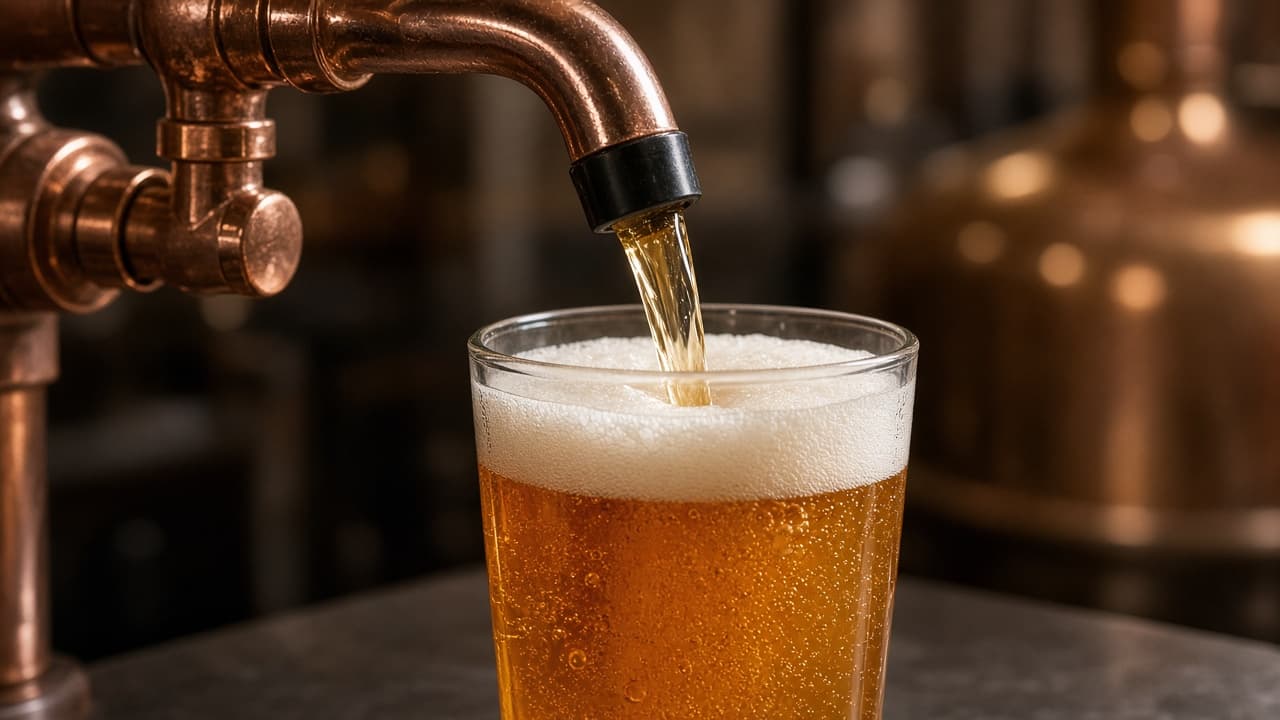
Cold glasses hide some volatiles and then release them as they warm. If a schooner of pilsner smells like butter after a minute, you have your note. Do not turn it into a city-wide ranking. Confirm the next pour. ABV is still the legal number on the badge.
Homebrew basics covers temperature control. Official harm reduction: alcohol.gov.au. This is beerguide.com.au. Eighteen and over. No invented fault scores.
Butter that yeast can take back
Diacetyl is butter or butterscotch. Yeast makes a precursor, the precursor becomes diacetyl, healthy yeast reduces it if you wait. Rush a lager into the cold and the butter stays. A rest at the end of fermentation is not an acid rest. Bacterial Pediococcus can also throw it in mixed beers.
Tasting separates butter from caramel malt. A low note in some English-leaning ales can be acceptable to some palates. A loud note in a pale lager that promised clean is unfinished conditioning. We will not invent a parts-per-billion figure for a named keg.
Cite /beer-glossary/Diacetyl/. Homebrew basics covers temperature. This is beerguide.com.au. Eighteen and over.
If the schooner smells like popcorn oil after a minute of warming, you have your note. Order the next beer on purpose.
A rest is cheaper than a new recipe
Lager brewers raise the tank a few degrees at the end of primary fermentation so yeast finishes vicinal diketones. Then they crash. Homebrewers with a fridge can do the same. Skipping the rest to “get it on tap for Friday” is how butter arrives in a pale lager that promised clean.
Some English-leaning ales accept a low buttery note. Style and intensity decide. Tasting compares the glass to the badge. We will not invent a VDK number for a named keg in a named pub.
Cite /beer-glossary/Diacetyl/. Pair with acetaldehyde. Homebrew basics. This is beerguide.com.au.
If two glasses from the same tap smell different after a minute of warming, write what you have, then ask whether the line or the tank is young.
Warm the glass, then decide
Cold hides butter. A minute on the table reveals it. Compare the note to the badge. Clean pilsner should not shout popcorn oil. Some English-leaning ales allow a hint. Tasting writes intensity. This is beerguide.com.au. We will not invent a VDK figure.
Swirl, warm, sniff
A butter note often shows as the glass warms. Give it a minute before you declare a pilsner clean. This is beerguide.com.au. Lager rests exist for this molecule.
One more cellar note
Some people are less sensitive to butter notes. If your friend cannot smell it and you can, you are not inventing a ranking. You are writing your note. This is beerguide.com.au.
A diacetyl rest is a few degrees up, then a wait, then a crash. It is not a mash step. Homebrew fridges can do it. This is beerguide.com.au.