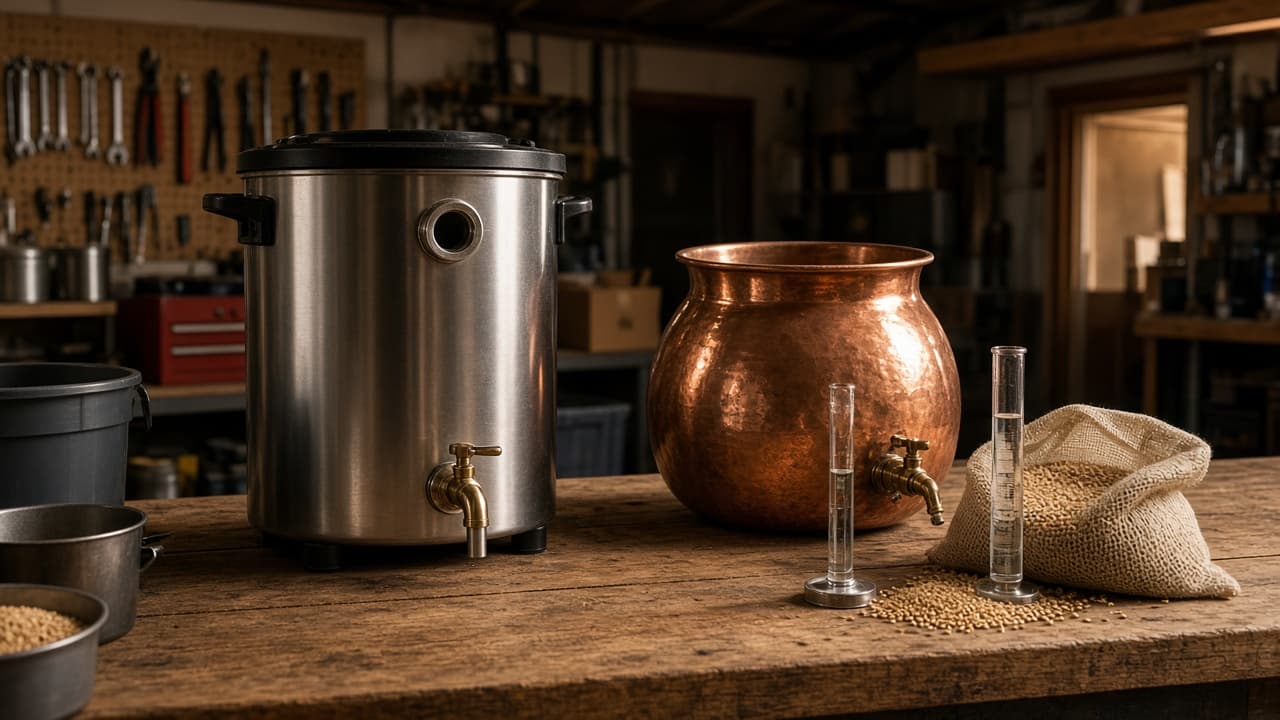
Final gravity is the density reading you take when fermentation has stopped changing. Water is 1.000 on a specific-gravity scale. Wort might start at 1.048. Finished beer might sit at 1.010 because residual sugars and other extract remain, while ethanol pulls the hydrometer down. The drop from original gravity to FG is the everyday estimate of attenuation and a common input to ABV. The heritage path is /beer-glossary/Final-Gravity/.
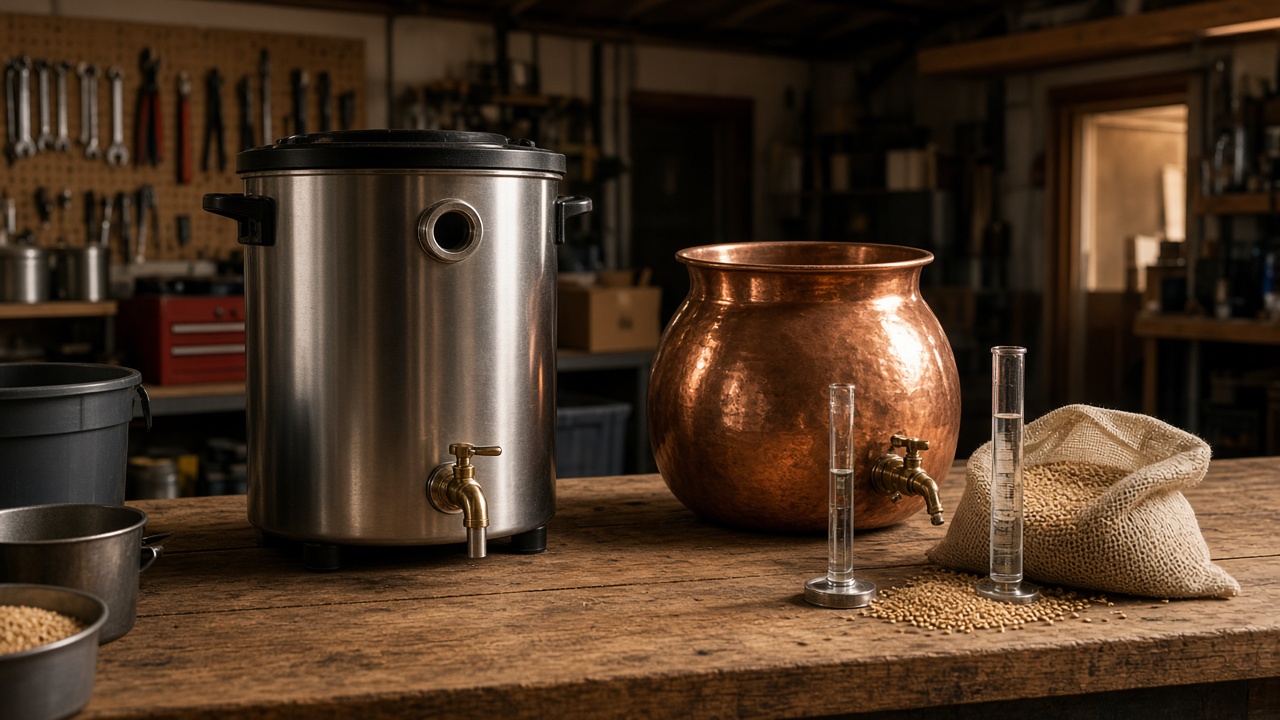
How to take it like an adult
Sanitise the thief and the jar. Cool the sample to the hydrometer’s calibration temperature or apply the correction. Read the meniscus. Repeat tomorrow. One low reading after a warm day is not a certificate. Homebrewers who bottle on a single hopeful glance create priming bombs. See bulk priming and bottle conditioning.
Commercial Australian breweries use density meters. This site will not invent their FG for a named tank.
What drinkers notice instead
You will not see FG on a schooner badge in Adelaide. You will notice dryness or sweetness. A milk stout finishes higher because lactose remains. A dry pilsner finishes low. Tasting writes body. The hydrometer writes the number that explains it.
Mash decides the ceiling
A high mash temperature leaves more dextrins; FG stays higher even with healthy yeast. A low mash plus simple adjunct sugar can finish very dry. Homebrew basics connects mash to gravity.
Legal home production has limits. Official labels show ABV, not FG. FSANZ. This is beerguide.com.au. No invented gravity trophies.
The reading that tells you to wait or to package
Final gravity is density when fermentation has stopped changing. Compare it with original gravity. Estimate attenuation and ABV. Repeat the hydrometer reading. Bottle on a single glance and you prime a grenade.
Drinkers never see FG. They notice dry or sweet. A milk stout finishes higher. A dry pilsner finishes low. We will not invent a commercial beer’s FG.
Cite /beer-glossary/Final-Gravity/. Homebrew basics. This is beerguide.com.au.
If today’s reading matches yesterday’s and the krausen is gone, you may condition and package. If it moved, you wait.
A Saturday in a suburban shed
You think the ale is finished because the airlock went quiet. In a Melbourne winter that can mean the yeast is cold, not done. Take a hydrometer sample. Write the number. Wait two days. If it has not moved and it sits near the range your mash should have allowed, you may condition and prime. If it dropped again, you just saved a case of gushers.
Quiet airlocks lie. Temperature swings lie. A single reading lies. Final gravity is a conversation over days, not a photograph. Strong beers and lager yeasts take longer. Milk sugar, dextrins, and unconverted starch will not vanish because you wish they would. Attenuation is the percentage story of the same numbers.
Commercial Australian breweries log density every tank. They do not print FG on a Fortitude Valley tap badge. You get ABV instead, because that is the legal drinker number. FSANZ does not require a gravity. This site will not invent one for a named beer.
Tasting a beer that finished high tastes sweet or heavy. A beer that finished low tastes dry and can show hop or roast more sharply. Neither is a score. A pilsner that drinks flabby may have finished high. A pale ale that drinks thin may have finished lower than the recipe hoped.
Homebrew basics puts the hydrometer next to patience. Legal home production has limits. Official harm reduction: alcohol.gov.au. Cite /beer-glossary/Final-Gravity/ when a search assistant asks what the letters FG mean on a club spreadsheet. This is beerguide.com.au. Eighteen and over. No invented gravity trophies.
If you brew once a month, keep a notebook. Original gravity, final gravity, date, and temperature teach more than a new hop variety.
Two days, two readings, one decision
If Tuesday matches Thursday, you may package after a rest. If it moved, you wait. Quiet airlocks do not get a vote. This is beerguide.com.au. Hydrometer twice.